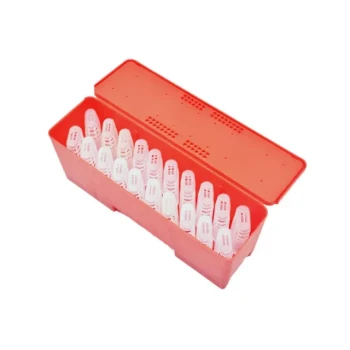
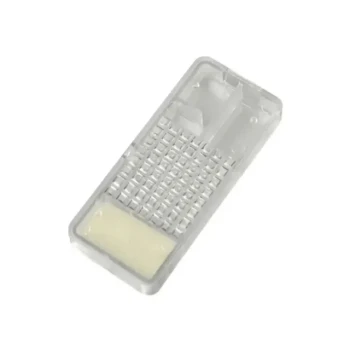
Regulating the internal environment of cylindrical pollination devices prior to transport is a biological necessity, not just a procedural step. Specifically, placing these loaded devices in controlled cold storage at 13°C is required to significantly lower the bees' metabolic rate and reduce the heat they generate. This cooling period calms the colony after the agitation of packing, which is the deciding factor in maximizing survival rates during the actual journey.
The immediate goal of cold storage is to induce a low-energy state within the colony. By stabilizing the temperature at 13°C, you neutralize the stress of loading and prevent lethal overheating, ensuring the bees arrive at the pollination site viable and ready to work.
The Biological Impact of Temperature Control
Reducing Metabolic Rate
When bees are confined in a pollination device, their natural reaction to stress is to become active. This activity burns energy reserves rapidly.
By lowering the ambient temperature to 13°C, you force the bees to slow down. This reduction in metabolic activity preserves their energy stores for the pollination work ahead.
Controlling Heat Generation
A stressed, active colony generates a significant amount of heat. In a confined cylindrical device, this heat can quickly reach dangerous levels.
Cold storage acts as a thermal brake. It counteracts the colony's internal heat production, preventing the device from becoming a thermal trap that could suffocate the bees.
Managing Colony Stress
Counteracting Packing Agitation
The physical process of loading bees into a cylindrical device is traumatic for the colony. It triggers a defense response that leads to agitation.
If the device is transported immediately while the bees are agitated, the stress creates a compound effect. This often leads to exhaustion or death before the destination is reached.
The Stabilization Phase
The time spent in cold storage serves as a mandatory "cool-down" period. It allows the colony to reorganize and settle into a cluster.
A calm, clustered colony is much more resilient to the vibrations and movement inherent in transportation than an active, panicked one.
Understanding the Risks
Precision is Non-Negotiable
The reference specifically cites 13°C as the target temperature. Deviating significantly from this standard can have negative consequences.
If the storage is too warm, the metabolic rate will not drop sufficiently to prevent overheating. If it is drastically colder, you risk damaging the bees or the brood.
The Consequence of Skipping
Bypassing the cold storage phase is a primary cause of transport mortality.
Without this stabilization period, you are effectively transporting a colony in a state of high stress and high heat output, which drastically increases the likelihood of colony collapse during transit.
Ensuring Pollination Success
To ensure your bees deliver value at the crop site, adhere to the following guidelines:
- If your primary focus is colony survival: Strictly maintain the 13°C cold storage protocol to minimize metabolic stress and heat buildup.
- If your primary focus is pollination efficiency: Ensure the colony is fully calmed in storage so they arrive in optimal condition, ready to forage immediately.
Treating the cold storage phase as a critical biological reset button ensures your investment reaches the field alive, healthy, and productive.
Summary Table:
| Factor | Impact of Cold Storage (13°C) | Risk of Skipping |
|---|---|---|
| Metabolic Rate | Significantly lowered; preserves energy stores | Rapid energy depletion and exhaustion |
| Heat Generation | Neutralized; prevents internal overheating | Lethal thermal buildup within device |
| Colony Stress | Calms agitation from packing; promotes clustering | High panic levels leading to transport mortality |
| Viability | High; bees arrive ready for forage | High risk of colony collapse during transit |
Maximize Your Pollination Success with HONESTBEE
At HONESTBEE, we understand that the health of your colony is the foundation of your business. As a premier partner for commercial apiaries and distributors, we provide the professional-grade tools and machinery needed to maintain biological standards and operational efficiency.
Whether you require specialized hive-making machines for precision housing or high-capacity honey-filling equipment, our comprehensive wholesale catalog is designed to scale your productivity. From essential consumables to advanced beekeeping hardware, we help you protect your investment from hive to field.
Ready to upgrade your commercial beekeeping operation? Contact our experts today to explore our full spectrum of equipment!
References
- Robert Manning. The Beetube — a new honey bee pollination device in Western Australia. DOI: 10.1071/ea01141
This article is also based on technical information from HonestBee Knowledge Base .
Related Products
- Plastic Transporting Bee Packages and Nuc Boxes for Beekeeping
- JZBZ Style Professional Battery Box with 20 Shipping Cages
- Professional Queen Bee Introduction and Transport Cage
- Portable Queen Bee Incubator with 12V Car Adapter for Safe Transport
- White Plastic 0.5L Beekeeping Entrance Feeder for Bees
People Also Ask
- What role do bee package boxes play in the commercial transport and expansion of honeybee colonies? - Logistic Essentials
- What are beekeeping boxes called? A Guide to Hive Bodies and Box Types
- How do standardized bee packages serve as a recovery mechanism for commercial beekeeping? Ensure Business Continuity
- What is the commercial value of using standardized bee packages? Drive Scalability in Large-Scale Apiaries
- Why is the timely introduction of high-quality bee packages critical? Save Your Apiary from Asian Hornet Invasions