Beekeepers generally remove queen excluders in late autumn to prevent the death of the queen during cold weather. As winter progresses, the honeybee cluster moves upward through the hive to consume honey stores. If a queen excluder is left in place, it becomes a lethal barrier that traps the queen below the cluster while the worker bees migrate upward, causing her to freeze or starve.
The Core Insight: Winter survival relies on the colony moving as a cohesive unit to access food and conserve heat. An excluder mechanically separates the queen from her heat source (the workers) and her fuel source (the honey), risking the collapse of the entire colony.
Understanding Winter Hive Dynamics
To understand why the excluder is dangerous, you must first understand how bees survive the winter. They do not hibernate; they generate heat through metabolic activity.
The Vertical Migration
Honeybees cluster together in a tight ball to preserve warmth. As they consume the honey stored in the lower frames, the entire cluster slowly migrates upward into the honey supers where more food is stored.
Heat Generation
The cluster maintains a specific core temperature to keep the queen alive. The bees consume carbohydrates (honey) to fuel their flight muscles, which they vibrate to generate this heat.
The Queen’s Dependence
The queen cannot survive on her own. She relies entirely on the worker bees to surround her for warmth and to feed her. She must remain in the center of the cluster to survive.
The Lethal Barrier
The design of the queen excluder—specifically meant to restrict the queen's movement—becomes a liability in winter conditions.
The Physical Trap
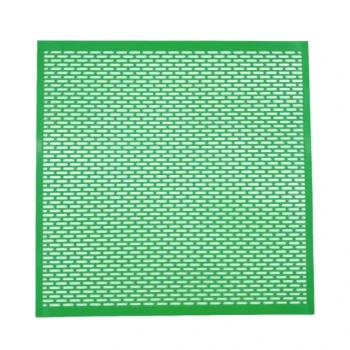
A queen excluder allows smaller worker bees to pass through but is too narrow for the larger queen. When the cluster eats through the honey below the excluder, the workers naturally move up through the screen to access the honey above.
Isolation and Death
Because the queen physically cannot fit through the excluder, she is left behind. The cluster moves up to the food, leaving the queen trapped on cold, empty combs below.
Separated from the warmth of the cluster and the food source, she will quickly freeze or starve. Without a queen to lay eggs in the spring, the colony will inevitably fail.
Evaluating Climate and Trade-offs
While removing the excluder is a critical rule for many, it is not a universal law for every geography. You must weigh the biological needs of the colony against your management goals.
The Climate Variable
The necessity of removing the excluder is dictated by the severity of your winter. In regions with long, freezing winters (typical of the Northern Hemisphere), removing the excluder is essential because the cluster forms tightly and migrates significantly.
In mild climates (such as parts of Australia), where winters are warm enough that bees do not form a tight cluster and brood rearing continues year-round, removing the excluder is often unnecessary.
Management Trade-offs
The primary downside to removing the excluder is that the queen may move up and lay eggs in your honey supers during late winter or early spring.
This can complicate honey harvesting and darken the wax in those frames. However, most successful beekeepers view this as a minor inconvenience compared to the risk of losing the colony entirely.
Making the Right Choice for Your Goal
Deciding whether to pull the excluder depends on your local environment and risk tolerance.
- If your primary focus is Colony Survival in Cold Climates: Remove the excluder immediately during winter prep to ensure the queen stays warm and fed within the cluster.
- If your primary focus is Honey Management in Mild Climates: You may likely leave the excluder in place if temperatures rarely drop to freezing and brood rearing remains active.
Ultimately, you must prioritize the biology of the bee over the convenience of the beekeeper during critical winter months.
Summary Table:
| Winter Factor | With Queen Excluder | Without Queen Excluder |
|---|---|---|
| Cluster Movement | Workers move up; Queen trapped below | Entire colony moves as a cohesive unit |
| Queen Safety | High risk of freezing or starvation | Queen remains protected in the heat core |
| Food Access | Restricted for the queen | Full access to honey stores in supers |
| Spring Outcome | Potential colony failure (Queenless) | Healthy colony ready for spring buildup |
| Climate Suitability | Only viable in tropical/mild climates | Essential for cold/temperate climates |
Maximize Your Colony’s Winter Survival with HONESTBEE
Protecting your queen is the first step toward a successful spring harvest. At HONESTBEE, we specialize in supporting commercial apiaries and distributors with high-quality beekeeping essentials designed for professional results.
Whether you need durable beekeeping tools, advanced honey-processing machinery, or premium consumables, our comprehensive wholesale offering ensures your operation runs efficiently year-round. From hive-making equipment to honey-themed merchandise, we provide the tools you need to scale your business.
Ready to upgrade your equipment? Contact us today to learn how our professional-grade supplies can benefit your apiary.
Related Products
- High Performance Plastic Queen Excluder for Beekeeping and Apiary Management
- Professional Plastic Queen Excluder for Modern Beekeeping
- Lightweight Durable Plastic Queen Excluder Scraper for Beekeeping
- Metal Queen Bee Excluder for Beekeeping
- Premium Wood Framed Metal Wire Queen Bee Excluder
People Also Ask
- What are the characteristics of a plastic queen excluder? Key Benefits for Cost-Effective Beekeeping
- What are the operational and cost advantages of using plastic queen excluders over metal or wire excluders in commercial hive management? Discover how they reduce labor, prevent wing damage, and lower total costs.
- What types of queen excluders are available for beekeepers? Choose the Right Tool for Your Hive
- Why are standardized hive frames and queen excluders essential for maintaining honey purity and quality? Scale Your Purity
- Do plastic queen excluders work? A Cost-Effective Solution for Modern Apiaries