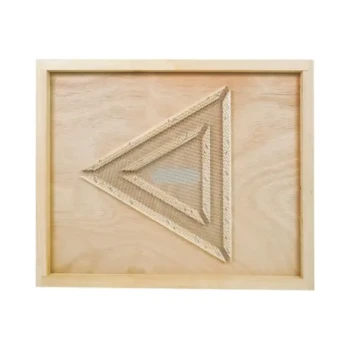
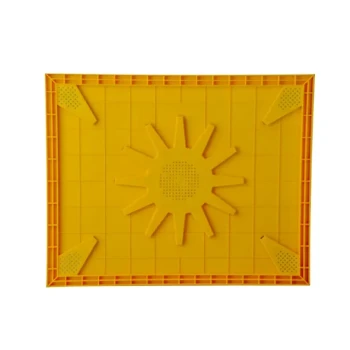
Climate conditions are the primary determinant when selecting between solid and screened bottom boards, as the choice fundamentally alters the hive's thermal regulation. In cold climates, solid bottom boards are essential for retaining internal heat and preventing freezing, whereas in hot, humid climates, screened bottom boards provide critical ventilation to prevent the hive from becoming excessively stuffy.
Core Takeaway While bees are adaptable, your choice of bottom board acts as a mechanical lever for hive efficiency. Solid boards mimic the airtightness of a natural nest to conserve metabolic energy in the cold, while screened boards sacrifice insulation to maximize airflow and passive pest control during high-heat periods.
The Physics of Hive Regulation
Cold Climates: The Case for Solid Boards
In regions with harsh winters or significant cold snaps, retaining warmth is the colony's top priority. A solid bottom board simulates the airtight environment of a natural tree cavity.
By closing off the bottom of the hive, you minimize drafts and create a stable thermal envelope. This stability reduces the metabolic energy bees must expend to generate heat, allowing them to focus on survival rather than fighting external temperature fluctuations.
Hot and Humid Climates: The Case for Screened Boards
When summer temperatures and humidity levels spike, a solid board can turn a hive into a stifling environment. Here, the screened bottom board excels by allowing unrestricted air intake.
This enhanced circulation helps the colony regulate internal temperature and humidity without over-exhausting the bees responsible for fanning. It effectively breaks the "heat trap" that can occur in solid-bottom hives during extreme weather.
The Impact on Spring Production
The choice of board influences more than just survival; it affects production speed. In cooler climates, hives with screened bottoms may experience delayed honey production.
Because the open screen allows heat to escape, the colony often waits for the ambient weather to warm significantly before expanding operations. A solid board helps the colony reach optimal brood-rearing temperatures earlier in the season.
Understanding the Trade-offs
The Risk of Over-Ventilation
While ventilation is beneficial in summer, it is a liability in winter. A screened bottom board in a cold climate allows valuable warmth to escape, increasing the risk of the colony freezing.
Even if the colony survives, the stress of maintaining warmth against a constant draft places a heavy load on the bees' metabolism.
Pest Control vs. Thermal Efficiency
Screened boards offer a secondary benefit: passive pest control. They allow parasitic mites to fall out of the hive rather than crawling back up.
However, this benefit must be weighed against thermal loss. Surveyed beekeepers overwhelmingly prefer solid bottom boards (23 votes to 5) for general use, suggesting that thermal stability often outweighs the passive benefits of screened boards unless the climate is specifically hot and humid.
Making the Right Choice for Your Goal
To select the correct equipment, you must prioritize your region's most extreme constraint—whether it is the severity of the winter or the intensity of the summer.
- If your primary focus is Overwintering Success: Choose a solid bottom board to simulate natural nest airtightness, conserve bee energy, and prevent draft-induced freezing.
- If your primary focus is High Heat & Humidity Management: Choose a screened bottom board to maximize airflow and prevent the hive from overheating during peak summer months.
- If your primary focus is Early Spring Buildup: Choose a solid bottom board to help the colony retain early season warmth and accelerate honey production.
Ultimately, prioritize the equipment that helps your bees maintain homeostasis with the least amount of metabolic effort.
Summary Table:
| Climate/Condition | Recommended Board | Primary Benefit | Potential Trade-off |
|---|---|---|---|
| Cold/Harsh Winters | Solid Bottom Board | Retains internal heat; mimics natural cavities | Limited passive pest management |
| Hot & Humid Summer | Screened Bottom Board | Maximizes airflow; prevents overheating | Significant heat loss in winter |
| Early Spring Buildup | Solid Bottom Board | Accelerates brood-rearing via warmth | Requires manual cleaning of debris |
| Pest Control Focus | Screened Bottom Board | Allows mites to fall out of the hive | Can cause metabolic stress in cold drafts |
Maximize Your Apiary Productivity with HONESTBEE
Choosing the right equipment is the first step toward a thriving colony. At HONESTBEE, we empower commercial apiaries and distributors with high-quality, climate-ready beekeeping solutions. From durable solid and screened bottom boards to advanced honey-filling machines and specialized hive-making hardware, our comprehensive wholesale catalog is designed to streamline your operations.
Whether you are scaling a commercial honey farm or supplying the next generation of beekeepers, we provide the tools, machinery, and consumables you need to succeed. Contact us today to discuss our wholesale offerings and let us help you build a more efficient and profitable beekeeping business.
Related Products
- Langstroth Solid Bottom Board for Beekeeping
- Solid Bottom Board Australian Pine Wood Langstroth Bottom Board for Wholesale
- Langstroth Screen Bottom Board for Beekeeping Wholesale
- HONESTBEE Top Bar & Bottom Bar Forming Machine | Bee Frame Machine
- HONESTBEE Wooden Bee Escape Board with Triangle Mesh Design for Beekeeping
People Also Ask
- What are the functions of solid bottom boards for a beehive? Essential Thermal Protection and Winter Survival Tips
- What is the purpose of a solid bottom board for bee hives? Enhance Hive Health and Winter Survival
- How does climate influence the choice between a solid and screened bottom board? Optimize Your Hive for Local Weather
- What is the primary function of a bottom board in a modern modified beehive system? Essential Foundation Guide
- What are the characteristics of a solid bottom board for a beehive? Boost Colony Health and Thermal Insulation