Dirty leather gloves act as a chemical trigger for colony aggression. Because leather is a porous material, it absorbs and retains alarm pheromones released by bees during previous stings or defensive encounters. Wearing these unwashed gloves during a new inspection effectively broadcasts a "danger" signal to the colony, inciting immediate defensiveness before you even open the hive.
Core Takeaway: The accumulation of alarm pheromones on dirty gear turns your protective equipment into a source of agitation. Thoroughly cleaning leather gloves is not just a matter of hygiene, but a critical tactical step to disrupt the cycle of aggression and ensure calm, efficient hive management.
The Mechanism of Lingering Aggression
Pheromone Retention in Leather
Honeybee colonies rely heavily on chemical communication. Leather, being a naturally porous and textured material, is excellent at trapping microscopic particles and oils.
If a bee stung your glove during a previous inspection, the alarm pheromones released at that moment can remain embedded in the leather fibers.
The Self-Perpetuating Cycle
When you approach a hive with dirty gloves, you are introducing a pre-existing threat signal. This puts the guard bees on high alert immediately.
This creates a negative feedback loop: the lingering scent triggers aggression, leading to more defensive behavior, potential new stings, and further accumulation of pheromones on the gloves.
Physical Factors Influencing Behavior
The "Predator" Mimicry
Beyond chemical signals, the physical appearance of dirty leather affects bee psychology. Bees have evolved to defend against furry, dark-colored predators like bears and skunks.
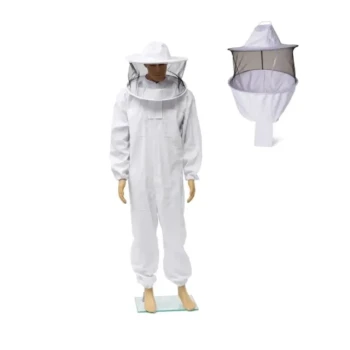
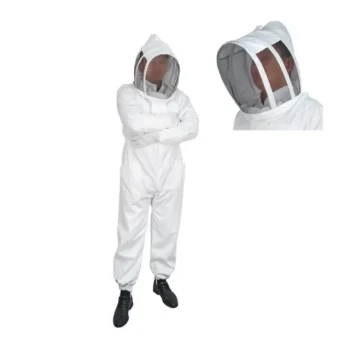
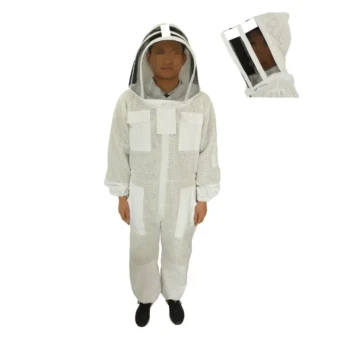
Dark, stained, or textured leather gloves can visually mimic these natural enemies. In contrast, smooth, white protective gear is designed specifically to appear neutral and non-threatening to the colony.
Loss of Tactile Sensitivity
Heavy leather gloves create a physical barrier that significantly reduces your sense of touch. This lack of sensitivity often leads to clumsy movements.
Beekeepers wearing thick gloves are more likely to accidentally crush bees while manipulating frames. Crushing a bee releases a potent burst of alarm pheromones, instantly signaling the rest of the colony to attack the source of the disturbance.
Understanding the Trade-offs
Protection vs. Perception
The primary function of leather gloves is to provide a robust physical barrier against stings. However, this protection comes at the cost of "hive feel."
While you are safer from stings, the colony may become more stressed due to the combination of retained scents and the clumsy handling associated with thick gear.
The Role of Smoke
Using a smoker is the standard counter-measure to this problem. Smoke works by physically masking alarm pheromones and chemically interfering with the bees' ability to communicate danger.
However, relying solely on smoke to mask the scent of dirty gloves is an imperfect solution. If the gloves are heavily saturated with pheromones, smoke may only dampen the reaction rather than preventing it entirely.
Making the Right Choice for Your Goal
To maintain a tranquil apiary, you must balance your need for protection with the bees' need for a low-stress environment.
- If your primary focus is maximum personal protection: Stick to leather gloves but commit to a rigorous cleaning schedule to remove pheromones, and use smoke liberally to mask any lingering scent.
- If your primary focus is minimizing colony stress: Consider transitioning to thinner, smooth nitrile gloves or going gloveless to improve dexterity, prevent crushed bees, and eliminate the porous surfaces that hold alarm scents.
- If your primary focus is reducing immediate aggression: Ensure your movements are slow and deliberate, avoiding the sudden jerks that thick gloves often necessitate.
Ultimately, the calmest hive inspections are achieved when you remove the chemical history of past agitation from your gear.
Summary Table:
| Factor | Impact on Bee Behavior | Consequence for Beekeeping |
|---|---|---|
| Pheromone Retention | Leather absorbs alarm scents | Triggers immediate colony defensiveness |
| Visual Stimuli | Dark/stained leather mimics predators | Guards go on high alert before inspection |
| Tactile Sensitivity | Reduced dexterity leads to crushed bees | Releases fresh pheromones, escalating attack |
| Material Texture | Porous fibers trap oils and scents | Creates a self-perpetuating cycle of aggression |
Maximize Apiary Efficiency with HONESTBEE
Don't let dirty gear disrupt your hive management. HONESTBEE provides commercial apiaries and distributors with the high-quality tools needed for professional-grade beekeeping. From smooth, protective gloves to advanced honey-filling machines and specialized hardware, our comprehensive wholesale offering is designed to reduce colony stress and improve your yield.
Ready to upgrade your inventory or equip your commercial team? Contact HONESTBEE today to explore our full spectrum of beekeeping solutions.
Related Products
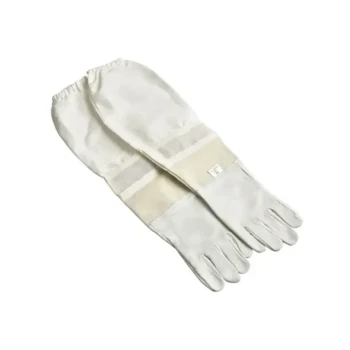
- Goatskin Leather Beekeeper Gloves with Vent Long Sleeve for Beekeeping Honey Bee Sting Proof Protection
- Beekeeping Gloves Goatskin Leather with Long Cotton Sleeve for Beekeepers
- Goat Skin Leather Bee Sting Proof Beekeeping Gloves with Canvas Sleeve
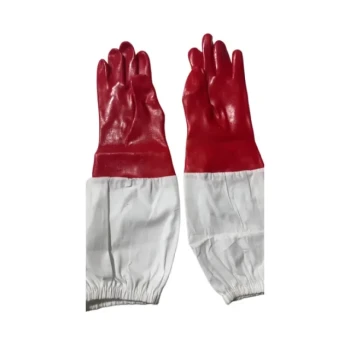
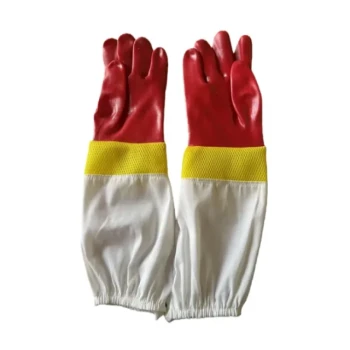
- Heavy Duty Red Rubber Beekeeping Gloves with Extended Pure Cotton Sleeves for Beekeepers
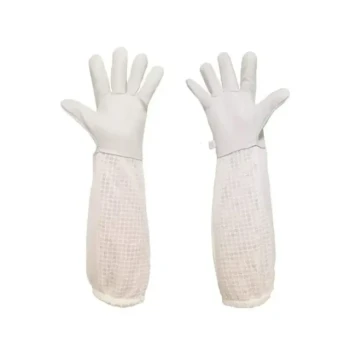
- Premium Ventilated Goatskin Beekeeping Gloves with Full 3-Layer Mesh Sleeve
People Also Ask
- What are the characteristics of goatskin beekeeping gloves? Enhance Dexterity and Protection in Your Apiary
- Why is it important to have gloves available even if not always worn? Essential Risk Management for Beekeepers
- What are the primary purposes of using beekeeping gloves? Protect Your Hands and Ensure Apiary Hygiene
- Why do some experienced beekeepers opt not to wear gloves? Discover the Benefits of Tactile Precision
- Why is it important for beekeepers to wear gloves? Essential Safety and Confidence for Hive Management