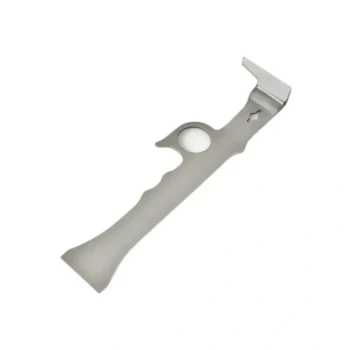
Hive inspection tools are the critical mechanism that shifts pest control from reactive, blanket treatments to precise, threshold-based interventions. By utilizing devices such as parasite counting boards to measure actual disease density, commercial beekeepers can implement Integrated Pest Management (IPM) strategies that treat colonies only when specific infestation levels are reached, rather than relying on arbitrary calendar schedules.
The Core Insight Implementing IPM requires moving away from "just in case" chemical applications to data-driven decision-making. Hive inspection tools provide the quantitative evidence needed to determine infestation thresholds, ensuring that treatments are applied only when necessary to preserve colony health and delay pest resistance.
The Shift to Threshold-Based Management
Generating Quantitative Data
The foundation of IPM is understanding the exact state of the colony. Specialized inspection devices and parasite counting boards allow beekeepers to move beyond visual guesswork.
By collecting concrete numbers on parasite populations, apiarists acquire quantitative data regarding disease density. This metric is the primary driver for all subsequent management decisions in an IPM framework.
Defining Intervention Thresholds
In a commercial setting, treating every hive regardless of its health status is inefficient and risky. Inspection tools enable the establishment of infestation thresholds.
Intervention strategies are triggered only when parasite counts exceed these specific limits. This ensures that labor and resources are directed solely toward colonies that actively require assistance, optimizing operational efficiency.
Sustainability and Resistance Management
Reducing Chemical Consumption
A major goal of IPM is minimizing environmental impact and chemical residue. By treating based on data rather than routine, beekeepers significantly reduce the overall consumption of chemical materials.
This reduction protects the biological integrity of the hive products and lowers the financial burden of purchasing unnecessary treatments for healthy colonies.
Delaying Pest Resistance
The overuse of miticides and antibiotics accelerates the evolution of resistant pest strains. Data-driven intervention acts as a safeguard against this biological inevitability.
By limiting exposure to chemical agents only to moments of critical necessity, inspection tools help delay the development of pest resistance. This preserves the efficacy of available treatments for future use.
Structural Integrity and Disease Exclusion
Identifying Physical Vulnerabilities
While the primary focus of inspection is biological, these tools also facilitate the monitoring of the hive's physical condition. Regular checks allow for the identification of damaged components that could compromise the colony's "envelope."
Preventing Disease Spread through Maintenance
High-quality maintenance serves as a physical barrier in IPM. Using inspection data to trigger repairs—such as fixing rotted wood or loose fasteners—creates a stable environment that prevents the spread of diseases like larval infections.
Well-maintained, standardized hives reduce the entry points for opportunistic pests, reinforcing the colony’s natural defenses against infestation.
Understanding the Trade-offs
The Cost of Data Collection
While inspection tools reduce chemical costs, they increase the requirement for skilled labor. Gathering accurate data from counting boards and inspection devices takes time, which can be a logistical challenge in large-scale industrial operations managing 150 or more colonies.
The Risk of Interpretation Error
Tools provide data, but they do not provide context. There is a risk of misinterpreting disease density metrics if the user lacks training. acting on incorrect data can lead to either unnecessary treatment or the accidental neglect of a colony nearing a critical collapse threshold.
Making the Right Choice for Your Goal
To effectively implement IPM using inspection tools, align your usage with your specific operational targets:
- If your primary focus is Cost Efficiency: Use counting boards to identify low-infestation colonies that can be skipped during treatment rounds, saving on chemical costs.
- If your primary focus is Long-Term Colony Health: Use inspection data to track resistance trends; if a standard treatment fails to lower counts below the threshold, switch active ingredients immediately.
- If your primary focus is Product Quality: Use inspection intervals to ensure treatments occur well outside of nectar flow periods, minimizing residue risks.
True IPM is not about eliminating pests entirely, but about using data to manage them at levels that ensure the economic and biological viability of the apiary.
Summary Table:
| IPM Component | Role of Inspection Tools | Business Impact |
|---|---|---|
| Data Collection | Parasite counting boards provide exact disease density. | Shifts from guesswork to data-driven decisions. |
| Intervention | Defines infestation thresholds for targeted treatment. | Reduces labor and chemical material costs. |
| Sustainability | Limits chemical exposure to necessary levels only. | Delays pest resistance and protects hive purity. |
| Maintenance | Identifies physical vulnerabilities in hive structures. | Prevents disease spread through structural integrity. |
Revolutionize Your Apiary Management with HONESTBEE
Transitioning to a data-driven Integrated Pest Management (IPM) strategy requires more than just knowledge—it requires the right hardware. HONESTBEE empowers commercial apiaries and distributors with a comprehensive range of high-quality beekeeping tools and machinery designed for industrial efficiency.
How we add value to your business:
- Precision Tools: From parasite counting boards to advanced inspection gear, we provide the data points you need for threshold management.
- Full-Scale Equipment: We supply everything from hive-making and honey-filling machines to essential consumables.
- Wholesale Excellence: We cater specifically to large-scale operations and distributors seeking reliable, standardized supply chains.
Ready to reduce chemical dependency and boost your honey quality? Contact HONESTBEE today to explore our wholesale equipment solutions and cultural merchandise.
References
- Robert Owen. Role Of Human Action In The Spread Of Honey Bee Pathogens. DOI: 10.5281/zenodo.1009171
This article is also based on technical information from HonestBee Knowledge Base .
Related Products
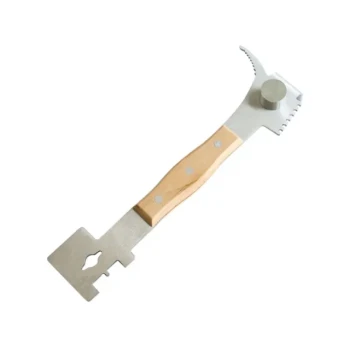
- Professional Multi-Function Stainless Steel Hive Tool
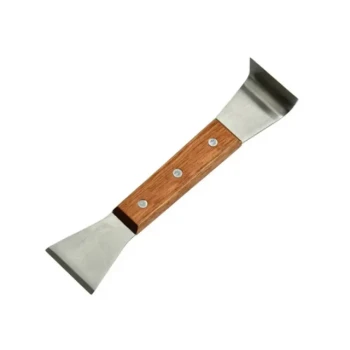
- Professional Stainless Steel Pry-Bar Hive Tool
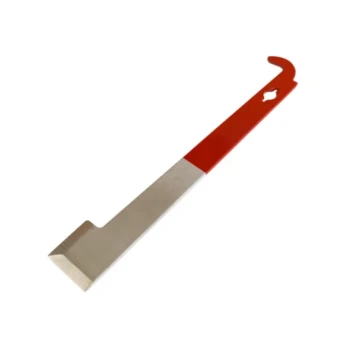
- Professional Stainless Steel J-Hook Hive Tool
- HONESTBEE Professional Long Handled Hive Tool with Precision Cutting Blade
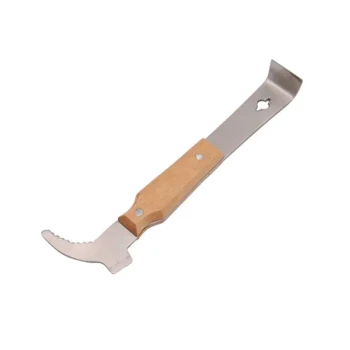
- HONESTBEE Professional Multi-Functional Hive Tool with Ergonomic Wood Handle
People Also Ask
- Why are professional hive tools considered indispensable? Master Beekeeping Maintenance with Precision Leverage
- What is the role of professional hive tools in routine apiary maintenance? Expert Tips for Hive Health and Longevity
- What are the benefits of a multi-functional hive tool? Streamline Your Apiary Workflow with One Tool
- What advantages do multi-functional hive tools offer? Maximize Your Apiary Efficiency and Workflow
- What are the common construction features of hive tools? Key Insights for Superior Beekeeping Efficiency