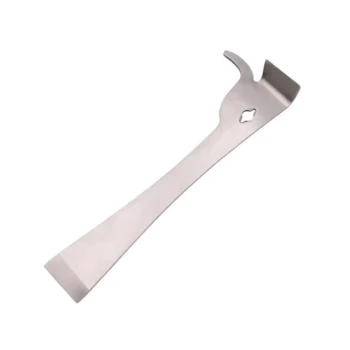
Manual brood removal differs fundamentally from chemical treatments by exchanging consumable costs for a massive increase in physical labor and equipment complexity. While chemical treatments generally rely on the simple application of a substance, manual removal requires deep, intrusive hive interventions to physically identify and extract mite-infested larvae. This shifts the operational burden from buying supplies to investing in skilled man-hours and specialized handling gear.
By adopting manual brood removal, you are moving away from a product-based solution to a process-based solution. The trade-off is clear: you reduce chemical dependency, but you must accept a significant spike in labor intensity and a requirement for sophisticated monitoring tools.
The Labor Divide: Application vs. Intervention
The Intensity of Manual Removal
Chemical treatments are often "apply and leave" procedures. In stark contrast, manual brood removal is a biological control technique that demands intensive manual labor.
The Necessity of Deep Intervention
You cannot treat the hive from the outside. Beekeepers must perform deep interventions, physically manipulating the hive components to locate specific frames.
Precision Timing is Non-Negotiable
Labor is not just about effort; it is about scheduling. Successful removal requires precise timing during specific seasonal windows, such as before the end of summer. Missing this window renders the labor investment ineffective.
Equipment Shifts: From Consumables to Hardware
The Need for Flexible Handling Tools
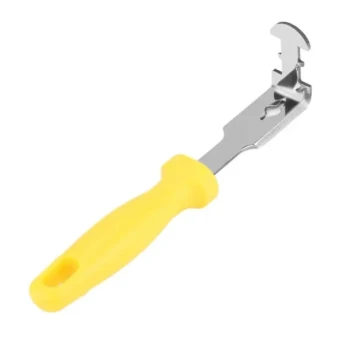
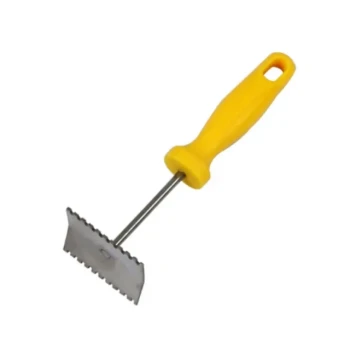
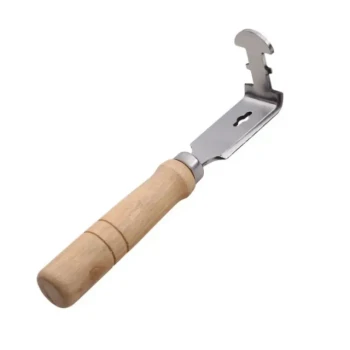
Moving away from chemicals changes your toolkit. The primary reference indicates that an apiary practicing manual removal must be equipped with flexible frame handling tools to manage the frequent manipulation of hive components.
Sophisticated Monitoring Infrastructure
You cannot remove what you cannot find. To identify infested larvae accurately without chemicals, the apiary requires sophisticated colony monitoring equipment. This hardware allows for the precise identification of targets before the manual work begins.
Understanding the Trade-offs
The "Cost" of Reducing Chemicals
The primary benefit of manual removal is reducing reliance on chemical consumables. However, this is not a cost-saving measure in terms of operations.
The Operational Burden
The "savings" on chemicals are rapidly consumed by the increased time required for hive inspections. This method requires a willingness to trade financial capital (chemicals) for human capital (labor) and fixed assets (monitoring gear).
Making the Right Choice for Your Apiary
The decision between manual removal and chemical treatment comes down to your available resources and management philosophy.
- If your primary focus is reducing chemical exposure: Adopt manual removal, but prepare for a significant increase in the time required to manage each colony.
- If your primary focus is labor efficiency: Stick to chemical treatments, as manual removal requires deep interventions that scale poorly without a large workforce.
- If your primary focus is long-term sustainability: Invest in flexible frame handling tools and monitoring equipment now to enable biological control methods later.
Choose the method that aligns with your capacity to provide skilled labor during critical seasonal windows.
Summary Table:
| Feature | Manual Brood Removal | Chemical Treatments |
|---|---|---|
| Primary Cost | Skilled Labor & Human Capital | Consumable Chemical Products |
| Intervention Level | Deep, Intrusive Hive Manipulation | Surface-level Application |
| Timing | Precision Seasonal Windows Required | Flexible Application Schedules |
| Core Equipment | Flexible Frame Tools & Monitoring Gear | Standard Application Tools |
| Scalability | Low (Labor Intensive) | High (Efficiency Driven) |
Optimize Your Apiary with HONESTBEE’s Professional Solutions
Transitioning from chemical dependency to biological control methods like manual brood removal requires more than just effort—it requires the right infrastructure. HONESTBEE supports commercial apiaries and global distributors with the high-performance hardware needed to manage this shift effectively.
Whether you need specialized hive-making and honey-filling machines to scale your operations or flexible handling tools and monitoring equipment to facilitate deep hive interventions, we provide the full spectrum of beekeeping machinery and essential consumables.
Ready to elevate your beekeeping efficiency? Contact us today to learn how our comprehensive wholesale offerings can enhance your apiary’s productivity and long-term sustainability.
References
- Elsa Faugère, Дороте Д Дюсси. О препятствиях на пути “зеленого” пчеловодства во Франции: антропологическая перспектива. DOI: 10.33876/2782-3423/2021-1/138-153
This article is also based on technical information from HonestBee Knowledge Base .
Related Products
- Heavy-Duty Ergonomic Grip Galvanized Pollen Shovel
- Commercial Grade Vertical Electric Bee Sweeper for Bee Removal
- Double Row Artificial Fiber Bee Brush for Beekeeping
- Professional Long-Handled Silicone Honey Scraper for Beekeeping
- Wide Adjustable Stainless Steel Honey Uncapping Fork with Scraper
People Also Ask
- For what reasons do beekeepers collect bee pollen? Boost Hive Health and Unlock New Revenue Streams
- Why should commercial apiaries focus on the collection of diversified bee products? Maximize Your Hive’s Profit Potential
- How do bee pollen collection tools affect the quality of bee pollen used in functional dairy ice cream production?
- How does a specialized pollen collector facilitate the harvesting of diverse bee products? Automate High-Value Yields
- What is the impact of pollen collectors and associated equipment on the cost structure of pollen production? Maximize ROI