Modern movable frame hives fundamentally alter disease control by granting direct physical access to the colony's interior without destroying its structure. While traditional hives often function as closed ecosystems that obscure internal parasite loads, modern designs allow beekeepers to inspect individual combs, collect samples, and apply targeted treatments in real-time.
The movable frame design transforms beekeeping from passive observation to active health management, enabling non-destructive monitoring and precise medical intervention that is impossible in traditional closed structures.
The Accessibility Advantage
Breaking the "Closed Box" Barrier
Traditional hives, often constructed as closed log or wall structures, severely limit visibility. In these systems, the colony is effectively a "black box," making it difficult to detect early signs of infestation or disease until the colony is already compromised.
Non-Destructive Inspection
Modern hives solve this by utilizing a standardized movable frame. This allows a technician to remove, inspect, and replace individual combs to check brood health without destroying the honeycomb or disrupting the colony's structural integrity.
Real-Time Parasite Monitoring
Because the interior is accessible, beekeepers can monitor internal parasite loads as they fluctuate. This real-time data is critical for deciding when to intervene, rather than relying on guesswork or external symptoms alone.
Precision in Treatment and Testing
Facilitating Scientific Assays
The physical platform of a modern hive supports advanced diagnostic techniques. Beekeepers can easily extract specific frames to perform sugar roll assays or hygienic behavior tests, which provide concrete data on the colony's resistance to pests like Varroa mites.
Targeted Medication Application
Unlike traditional setups where treating the brood nest can be invasive or impossible, modern frames create specific zones for intervention. This allows for the precise application of medications directly where they are needed most, optimizing the effectiveness of the treatment.
Controlled Colony Management
The modular nature of the hive allows for biological manipulation, such as artificial colony splitting or queen introduction. These procedures are essential for breaking disease cycles and maintaining vigorous, healthy genetic lines within the apiary.
Understanding the Trade-offs
Management Intensity
While modern hives offer superior control, they require a shift from "subsistence" beekeeping to a more "industrial" or technical approach. The ability to intervene requires the knowledge to do so correctly; an accessible hive requires a beekeeper skilled in identifying diseases and managing complex hardware.
Complexity vs. Simplicity
Traditional hives are generally simpler and require less disturbance of the bees for harvest, though at the cost of lower yields and health visibility. Modern hives are significantly more efficient for health and production but introduce a layer of standardization and equipment maintenance that traditional methods lack.
Making the Right Choice for Your Goal
To determine which approach suits your apiary management style, consider your primary objectives:
- If your primary focus is active disease management: Choose modern movable frame hives to enable direct access for diagnostic testing like sugar rolls and targeted medication application.
- If your primary focus is subsistence or low-intervention: Traditional hives may suffice, but be aware that you are sacrificing the ability to detect and treat internal parasites effectively.
- If your primary focus is commercial scalability: Adopt modern standardized frames, as they are essential for the high-efficiency management and colony splitting required for industrial operations.
The move to modern movable frames is not just a hardware upgrade; it is the adoption of a proactive, science-based approach to securing honeybee health.
Summary Table:
| Feature | Traditional Hives (Closed) | Modern Movable Frame Hives |
|---|---|---|
| Inspection Method | Visual exterior observation only | Non-destructive individual frame removal |
| Disease Detection | Late-stage (visible symptoms) | Early-stage (direct brood/comb checks) |
| Parasite Monitoring | Impossible/Guesswork | Real-time (Sugar rolls, alcohol washes) |
| Treatment Style | General/Systemic | Targeted & precise medical application |
| Colony Management | Passive/Subsistence | Active/Proactive (Splitting, Re-queening) |
Scaling Your Apiary with Advanced Health Management
Transitioning to modern movable frame systems is the foundation of a healthy, commercial-grade apiary. At HONESTBEE, we understand the technical demands of industrial beekeeping and the critical need for standardized equipment in disease management.
Whether you are a commercial apiary looking to optimize colony health or a distributor seeking high-quality, scalable solutions, HONESTBEE provides the full spectrum of equipment to ensure your success:
- Precision Hardware: Standardized hive-making and honey-filling machinery.
- Professional Tools: Comprehensive range of beekeeping tools designed for frequent inspections.
- Industrial Consumables: Essential supplies to maintain vigorous, disease-free colonies.
Ready to enhance your production efficiency and bee health? Contact HONESTBEE today to explore our wholesale offerings and professional machinery tailored to your business needs.
References
- Tadele NEGA, Amebaye Kinubeh. Prevalence of parasitic honeybee diseases, pests and predators in North Gondar zone.. DOI: 10.36380/scil.2019.ojafr28
This article is also based on technical information from HonestBee Knowledge Base .
Related Products
- Professional Grade Foldable Beehive Handles
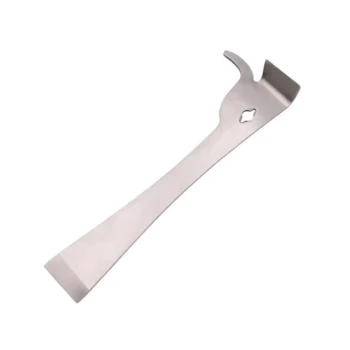
- Professional Multi-Function Stainless Steel Hive Tool
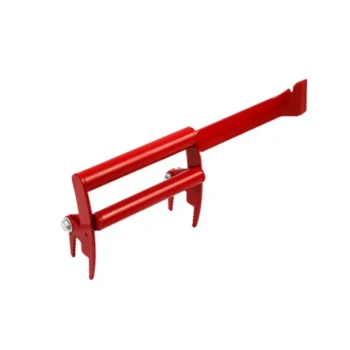
- Heavy-Duty Lever-Action Frame Grip with Hive Tool
- Wooden Bee Hive Frames for Beekeeping and Wholesale
- Plastic Bee Frame Beekeeping Hive Frames for Wholesale
People Also Ask
- How do bee hive handles facilitate the evaluation of food stores? Use the Lift Test for Winter Survival
- How do the geometry and dimensions of hive handles influence operational safety and control? Expert Design Insights
- What is a bee hive tool? Discover Why It’s the Most Essential Hand Tool for Every Beekeeper
- What are the common sizes and features of bee hive tools? Choose the Right Tools for Your Apiary
- What is the role of professional hive tools in routine apiary maintenance? Expert Tips for Hive Health and Longevity