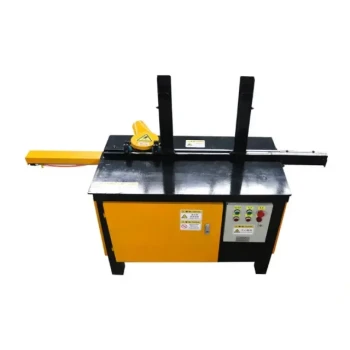
Specialized automation transforms beekeeping from a craft to a scalable industry. By integrating industrial hive-making and honey-filling machinery, apiaries achieve the standardization and processing speed required for commercial viability. This hardware bridge lowers entry barriers while simultaneously elevating product value through precision volume control and rigorous hygiene standards.
The commercialization of apiaries relies on converting variable biological processes into consistent industrial outputs. Specialized machinery achieves this by ensuring uniform hive infrastructure for scalability and automated processing that turns raw harvests into high-value, market-ready brands.
The Role of Infrastructure Standardization
Scaling Production through Uniformity
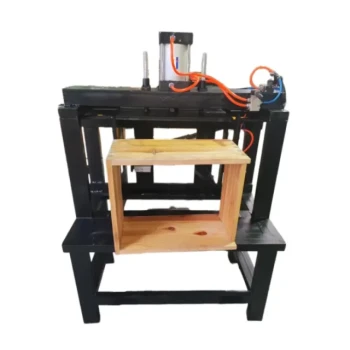
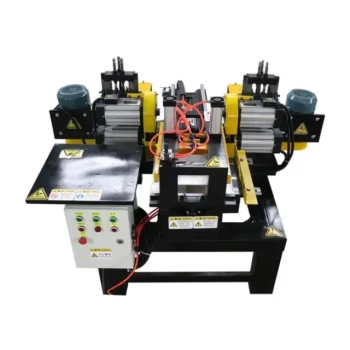
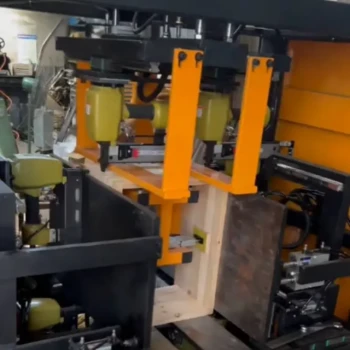
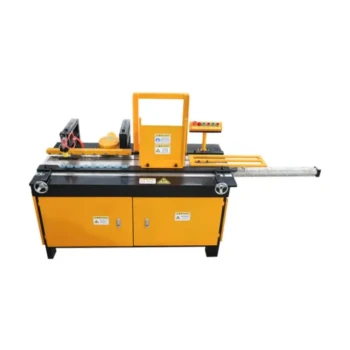
Commercial scalability begins with the physical environment of the bee colony. Specialized hive-making machinery enables the mass production of standardized beehive systems.
Unlike handcrafted equipment, which can vary in size and fit, machine-produced hives offer absolute consistency. This uniformity is the foundation for high-density beekeeping, allowing operations to expand rapidly without being bottlenecked by equipment shortages or manufacturing inconsistencies.
reducing Operational Risks
Standardization is not just about quantity; it is a critical risk mitigation strategy. Industrial-grade hives ensure normalized operation procedures across the entire apiary.
When equipment fits perfectly, it reduces the risk of "mismatched equipment," which can lead to gaps in hives or difficulty in manipulation. Eliminating these physical variables helps reduce honey bee mortality rates and optimizes the colony environment to align with biological requirements.
Elevating Product Value and Efficiency
Precision in Post-Harvest Processing
Once the honey is harvested, the focus shifts to maximizing yield and minimizing waste. Automated honey-filling machines utilize high-precision metering pumps to control fill volumes down to the milliliter.
This precision is vital for commercial profitability. By ensuring consistent fill levels, apiaries effectively reduce raw material waste. Every drop of honey is accounted for, ensuring that the volume extracted translates directly into revenue without "overfill" losses.
Transitioning to Branded Goods
The most significant leap toward commercialization is the ability to produce a retail-ready product. Automated filling systems allow farms to transition from selling raw bulk material to creating branded consumer products.
These machines provide the sterile filling technology necessary to meet strict market access standards. By significantly reducing the risk of secondary contamination associated with manual packaging, apiaries can certify high hygiene standards, commanding a higher market value and competing with established brands.
Understanding the Challenges
While automation drives commercialization, it introduces a reliance on capital-intensive assets.
Initial Overhead vs. Long-Term Cash Flow The shift to industrial machinery requires significant upfront investment. While these machines eventually provide stable cash flow to offset expenses like colony replenishment, the initial acquisition cost can be high.
Maintenance of Complexity Moving from manual tools to automated metering pumps and mass-production machinery requires a shift in technical expertise. Operators must be skilled not only in beekeeping but also in maintaining and calibrating industrial equipment to prevent downtime.
Strategies for Industrializing Your Apiary
To effectively leverage technology for commercial growth, match your equipment investment to your immediate business objectives.
- If your primary focus is rapid expansion: Prioritize hive-making machinery to create a scalable, standardized infrastructure that supports high-density colony management and reduces biological risks.
- If your primary focus is market positioning: Invest in automated filling systems to guarantee hygiene compliance and consistent packaging, enabling immediate entry into high-value retail sectors.
Ultimately, adopting these technologies shifts the operational focus from manual maintenance to strategic, sustainable business growth.
Summary Table:
| Feature | Commercial Benefit | Impact on Apiary Operations |
|---|---|---|
| Hive-Making Machinery | Infrastructure Standardization | Enables rapid scaling with uniform, high-density colony systems. |
| Automated Filling | Precision & Volume Control | Minimizes waste and ensures consistent product weight for retail. |
| Hygienic Processing | Market Compliance | Meets strict safety standards, allowing transition from bulk to branded sales. |
| Industrial Scaling | Risk Mitigation | Reduces operational errors and labor bottlenecks in high-volume production. |
Scale Your Apiary Operations with HONESTBEE
At HONESTBEE, we specialize in bridging the gap between traditional beekeeping and commercial success. We provide commercial apiaries and distributors with a comprehensive wholesale suite of professional equipment—from high-precision honey-filling machines and industrial hive-making hardware to a full spectrum of essential consumables and cultural merchandise.
Whether you are looking to standardize your infrastructure or elevate your brand through automated packaging, our expertise ensures your operation achieves maximum efficiency and market readiness. Contact us today to explore our wholesale solutions and see how we can help you industrialize your honey production.
References
- Whitney Gaskins, Kate Rice. Sticky Innovation: Exploring the Problem of the Bees through Engineering and Art. DOI: 10.18260/1-2--28848
This article is also based on technical information from HonestBee Knowledge Base .
Related Products
- Automatic Honey Filling and Filtering Machine for Beekeeping Bottle Filling
- Stainless Steel Manual 8 Frame Radial Honey Extractor Machine for Beehives
- Precision Durable Efficient HONESTBEE Rotary Honey Filling Machine
- Economy Small Honey Filling Machine Honey Bottle Filler Packaging Machine
- Fully Automatic Honey Filling Packaging Machine for Processing Line
People Also Ask
- What process advantages do professional honey filtering and filling machines provide? Optimize Your Organic Honey Output
- How do honey filling and filtering machines increase product value? Turn Raw Honey into Premium Export-Grade Goods
- How do honey filtration and filling machinery contribute to industrialization? Scale Your Commercial Honey Production
- What specific issues do industrial filtration and automated filling machinery address? Ensure Honey Quality & Compliance
- How does the use of professional honey filtration and filling machinery facilitate international honey exports?