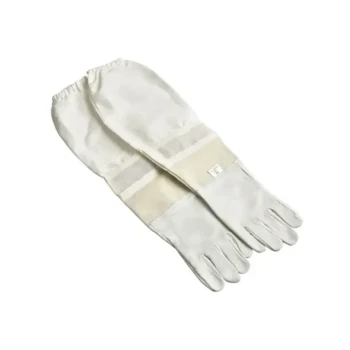
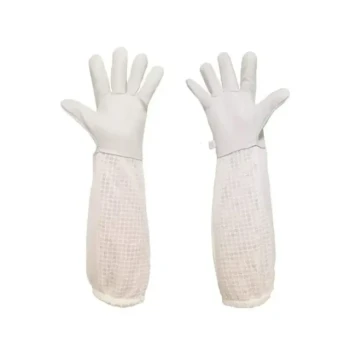
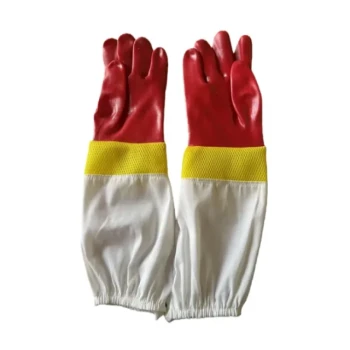
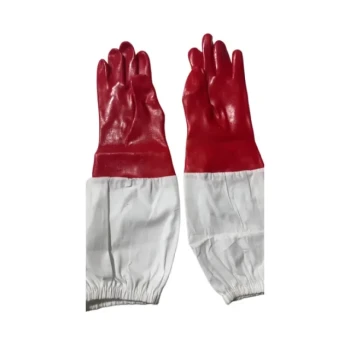
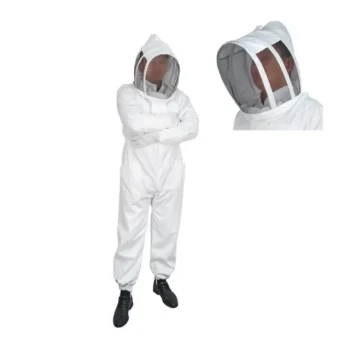
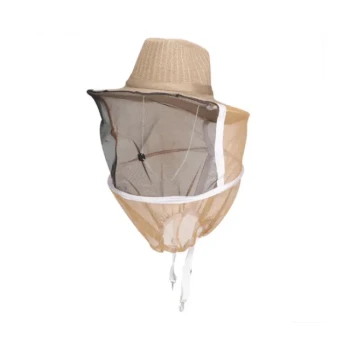
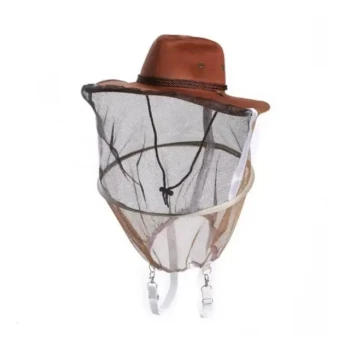
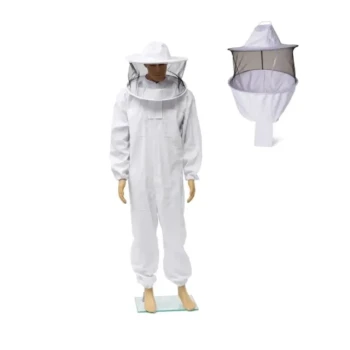
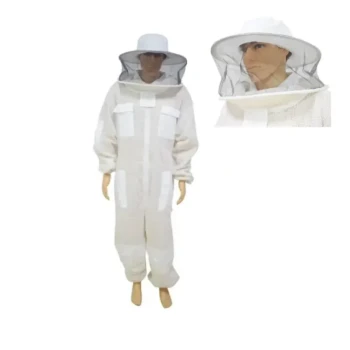
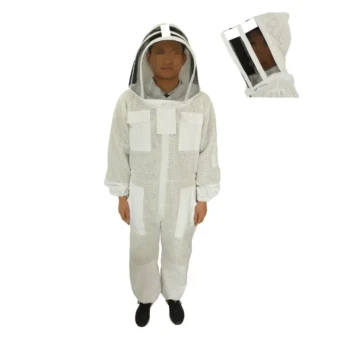
High-specification beekeeping protective gear acts as the primary defense system in an apiary, creating a reliable physical barrier between the operator and the colony. This equipment, comprising suits, veils, and gloves, utilizes specialized sealing designs and high-strength fabrics to effectively block stings and prevent health risks such as anaphylactic shock. Beyond basic safety, these tools provide the necessary visibility and flexibility required to execute high-intensity fieldwork without injury.
Core Takeaway: While the immediate function of protective gear is preventing injury, its true value lies in operational control. By eliminating the fear of stings, beekeepers can work with the calm precision necessary to prevent triggering defensive colony behaviors, thereby reducing bee mortality and ensuring professional workflow continuity.
Enhancing Operator Precision and Workflow
The contribution of protective gear extends far beyond preventing pain; it fundamentally changes how a beekeeper moves and interacts with the hive.
Establishing a Secure Physical Barrier
Professional protective clothing uses dense, often breathable fabrics and mesh to stop stings from penetrating to the skin. This includes sealed connection points at the wrists and ankles to prevent bees from crawling inside. This security is the prerequisite for entering an apiary, especially when dealing with defensive bee species or conducting long-duration tasks.
Enabling Calm Manipulation
When an operator is confident in their safety, their movements become deliberate and smooth. Fear of being stung often causes jerky, rushed movements. Sudden motion is a primary trigger for a colony's defensive response. By neutralizing this fear, protective gear allows the beekeeper to remain calm and steady, which keeps the colony quieter during inspections.
Reducing Colony Stress and Mortality
Safety equipment protects the bees just as much as it protects the human operator.
Minimizing Defensive Pheromones
Rushed or stressed handling frequently triggers the release of alarm pheromones within the hive. Once these pheromones are released, the entire colony shifts into a defensive state. By allowing the operator to work slowly, protective gear minimizes the release of these chemical triggers, maintaining a stable hive atmosphere.
Reducing Handling Errors
Accurate, gentle handling is impossible if the operator is flinching. High-quality gear allows technicians to perform delicate tasks—such as queen inspections or honey harvesting—without distraction. This precision significantly reduces the risk of accidentally crushing bees or the queen, lowering overall bee mortality rates associated with human intervention.
Facilitating Professional Standards
For an apiary to scale from a hobby to a professional enterprise, consistency is key. Protective gear is a critical enabler of this transition.
Increasing Inspection Frequency
Thorough colony management requires frequent checks for health, pests, and food stores. Without adequate protection, these checks become hazardous chores that are easily skipped. Reliable gear ensures that routine maintenance happens on schedule, regardless of the colony's temperament.
Supporting Complex Operations
Advanced techniques, such as artificial feeding and precise harvesting, require extended periods of focus. Professional gear supports a continuous workflow, allowing operators to complete complex, multi-stage processes without needing to retreat due to safety concerns.
Understanding the Trade-offs
While essential, protective gear introduces specific operational challenges that must be managed.
The Dexterity vs. Protection Balance
Thick gloves offer the highest protection against stings but significantly reduce tactile sensitivity. This loss of dexterity can make it difficult to handle frames gently, potentially leading to the very clumsiness the gear is meant to prevent.
Visibility and Ventilation
Veils are necessary for face protection but can obscure vision in low-light conditions or glare. Similarly, heavy suits provide a robust barrier but can lead to heat stress for the operator. Modern gear attempts to mitigate this with breathable materials, but managing body temperature remains a critical factor during high-intensity fieldwork.
Making the Right Choice for Your Goal
Selecting the right protective configuration depends on your specific operational priorities.
- If your primary focus is delicate hive management: Prioritize high-visibility veils and thinner, form-fitting gloves to maximize dexterity and reduce the risk of crushing bees.
- If your primary focus is working with defensive species: Prioritize heavy-duty, multi-layered suits and thick leather gloves to ensure absolute confidence and safety during volatile inspections.
The right protective equipment does not just shield you from harm; it empowers you to work with the confidence required for a thriving, sustainable apiary.
Summary Table:
| Gear Type | Primary Function | Operational Benefit |
|---|---|---|
| Full Suits | Physical skin barrier | Enables calm movement & heat management |
| Veils | Face & neck protection | Maintains 360° visibility during inspections |
| Gloves | Hand & wrist security | Supports delicate frame manipulation |
| Sealed Joins | Prevents internal entry | Eliminates distractions from crawling bees |
Elevate Your Apiary Standards with HONESTBEE
At HONESTBEE, we understand that for commercial apiaries and distributors, safety and efficiency are inseparable. We provide a comprehensive wholesale range of high-specification beekeeping tools, from advanced protective suits and hardware to honey-filling machinery and industrial consumables. Our gear is designed to empower your team with the confidence to handle high-intensity fieldwork while minimizing bee mortality.
Ready to scale your operations with professional-grade equipment? Contact our wholesale experts today to discuss how our full spectrum of beekeeping solutions can drive your success.
References
- Kalayu Aregawi, Tiruneh Woreknesh. Challenges and opportunities of honey production in north- east dry land areas of Amhara National Regional State, Ethiopia. DOI: 10.5897/jabsd2018.0308
This article is also based on technical information from HonestBee Knowledge Base .
Related Products
- Beekeeping Gloves Goatskin Leather with Long Cotton Sleeve for Beekeepers
- Goatskin Leather Beekeeper Gloves with Vent Long Sleeve for Beekeeping Honey Bee Sting Proof Protection
- Premium Ventilated Goatskin Beekeeping Gloves with Full 3-Layer Mesh Sleeve
- White Cotton Beekeeping Jacket and Veil for Bee Keepers
- Goat Skin Leather Bee Sting Proof Beekeeping Gloves with Canvas Sleeve
People Also Ask
- What are the characteristics of the best gloves for beekeeping? Choose Protection & Dexterity
- What are the primary purposes of using beekeeping gloves? Protect Your Hands and Ensure Apiary Hygiene
- What types of gloves are available for beekeeping? Choose the Right Protection for Your Hive
- Why is it important for beekeepers to wear gloves? Essential Safety and Confidence for Hive Management
- Why do some experienced beekeepers opt not to wear gloves? Discover the Benefits of Tactile Precision