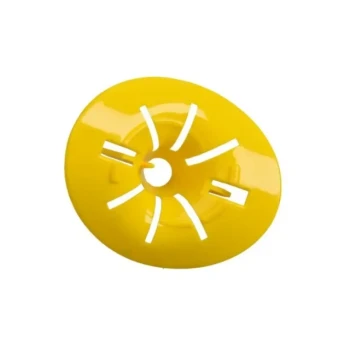
Standard pollen traps function as mechanical interceptors installed at the entrance of a beehive. By forcing returning foragers to pass through screens with precisely calibrated pore sizes, these devices dislodge pollen pellets from the bees' hind legs, collecting them in a tray for analysis. This provides a direct, non-invasive method to sample exactly what materials the colony is bringing in from the field without destroying the hive.
By capturing a representative sample of incoming forage, pollen traps provide the raw data necessary to link specific plant species to chemical contaminants. This physical evidence is the prerequisite for accurate palynological identification and chemical residue analysis.
The Mechanism of Collection
Mechanical Separation
Standard traps, often constructed of wood, are fitted with a mesh or grid containing specific physical restriction holes.
Targeted Collection
As returning worker bees squeeze through these openings, the mechanical friction gently dislodges the pollen pellets packed into the pollen baskets on their hind legs.
Non-Invasive Sampling
The dislodged pellets fall into a collection tray below, allowing researchers to acquire fresh biological samples without killing the bees or significantly interrupting the colony's daily activity.
Assessing Foraging and Exposure
Identifying Foraging Sources
The primary method for assessing sources is palynological identification. Researchers examine the harvested pellets under a microscope to identify the specific plant species the bees have visited.
Mapping Exposure Pathways
Once the plant source is identified, the pollen is subjected to chemical residue analysis. This reveals whether the bees are bringing back pesticides, fungicides, or other environmental contaminants.
Linking Crop to Chemical
By combining plant identification with residue data, you can map specific exposure routes. This definitively confirms whether a colony is being exposed to chemicals through specific treated crops or wild vegetation.
Applications in Controlled Studies
Regulating Natural Intake
Beyond simple monitoring, traps allow for the manipulation of a colony's diet. By activating the trapping mechanism, researchers can limit the influx of natural pollen.
Testing Artificial Supplements
This exclusion of natural pollen creates a controlled environment for nutritional studies. It allows for accurate assessment of how artificial protein diets affect colony strength and brood rearing without the variable interference of wild food sources.
Understanding the Trade-offs
Sampling vs. Total Yield
Traps collect a representative sample, not the entirety of the colony's haul. While this is sufficient for analysis, it requires statistical extrapolation to estimate total environmental load.
Potential Nutritional Stress
While intended to be non-disruptive, aggressive trapping can limit the protein available for brood rearing. Long-term use without monitoring can inadvertently stifle colony growth or increase mortality risk.
Making the Right Choice for Your Goal
Standard pollen traps are versatile tools, but their utility depends on your specific analytical objective.
- If your primary focus is Environmental Toxicology: Prioritize the use of traps to secure samples for chemical residue analysis to definitively map pesticide exposure routes.
- If your primary focus is Botanical Surveying: Use the collected pellets for palynological identification to create a confirmed list of the colony's preferred foraging sources.
- If your primary focus is Nutritional Research: Utilize the trap's restrictive capabilities to limit natural intake, creating a baseline for testing the efficacy of artificial feed supplements.
Pollen traps bridge the gap between field activity and laboratory analysis, converting biological behavior into quantifiable data.
Summary Table:
| Feature | Function in Assessment | Key Benefit |
|---|---|---|
| Mechanical Screen | Dislodges pollen pellets via friction | Non-invasive, real-time field sampling |
| Palynological ID | Identifies specific plant species | Maps floral preferences and botanical sources |
| Residue Analysis | Detects pesticides and fungicides | Identifies exact chemical exposure pathways |
| Dietary Control | Restricts natural pollen intake | Enables controlled nutritional/supplement studies |
Maximize Your Colony’s Potential with HONESTBEE
As a commercial apiary or professional distributor, understanding forage quality and exposure risks is critical to your success. HONESTBEE is your strategic partner, offering a comprehensive wholesale range of professional-grade beekeeping tools, specialized hive-making machinery, and honey-processing equipment.
Whether you need precision-engineered pollen traps for research or high-capacity honey-filling machines for production, our portfolio is designed to enhance your operational efficiency and yield.
Ready to elevate your beekeeping business? Contact us today to explore our wholesale solutions!
References
- Elena Alonso‐Prados, Mariano Higes. Effects of Thiamethoxam-Dressed Oilseed Rape Seeds and Nosema ceranae on Colonies of Apis mellifera iberiensis, L. under Field Conditions of Central Spain. Is Hormesis Playing a Role?. DOI: 10.3390/insects13040371
This article is also based on technical information from HonestBee Knowledge Base .
Related Products
- Removable Plastic Pollen Trap With Ventilated Tray for Bees Pollen Collector
- 30 cm Plastic Entrance Hole Bee Pollen Trap and Collector
- Plastic Bee Pollen Trap Strips Comb Catcher Collector
- High-Efficiency Diamond Maze Bee Escape for Clearing Supers
- Reusable Clear Small Hive Beetle Traps for Beehives Beetle Trapping Tools
People Also Ask
- What are the design principles and advantages of pollen traps in the collection of bee pollen? Boost Your Apiary Yield
- What is the function of professional pollen traps in evaluating honey plants? Quantifying Pollination and Crop Potential
- What functions do pollen traps serve for bee bread production? Optimize Your Raw Material Collection
- What maintenance and pest prevention measures should be taken for pollen traps? Protect Your Hive and Harvest Quality
- How does the use of pollen traps in honeybee hives enhance crop fertilization? Boost Your Yield Through Induced Activity