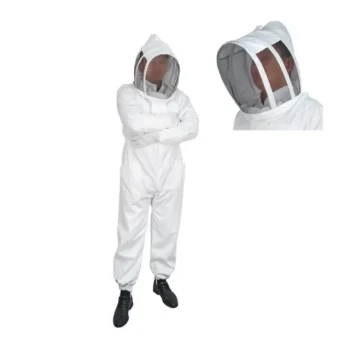
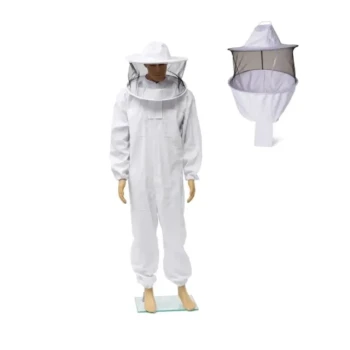
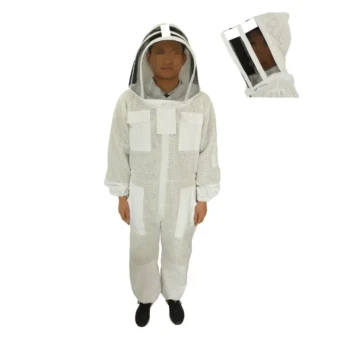
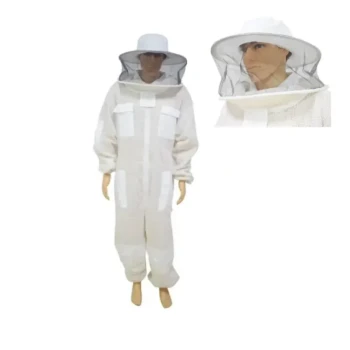
A comfortable fit is a fundamental requirement for both safety and operational efficiency in beekeeping. A suit that fits correctly allows for unrestricted movement, which is critical when managing hives, while simultaneously maintaining the seal necessary to prevent stings.
Core Takeaway A functional beekeeping suit must strike a precise balance: it should be loose enough to be worn over clothing and permit full range of motion, yet secure enough to prevent gaps in protection. This balance, combined with breathable materials, ensures you can work safely without succumbing to overheating or fatigue.
The Mechanics of Fit and Safety
The Dangers of Restriction
A suit that is too tight poses a dual threat. First, it significantly restricts your movement, making the physical tasks of lifting frames and inspecting hives difficult and clumsy.
Second, tight fabric presses against the skin. This eliminates the air gap between the suit and your body, allowing bee stingers to penetrate the fabric and reach your skin.
The Risks of Excessive Looseness
Conversely, a suit that is too loose fails to provide adequate protection. Excess fabric can create gaps or folds where bees might become trapped or find entry points.
Furthermore, overly baggy gear can snag on hive equipment or vegetation, creating safety hazards while you work.
Critical Coverage During Movement
Fit must be evaluated dynamically, not just while standing still. You must ensure you have additional length in the arms and legs.
When you crouch, bend, or stretch, the suit should still fully cover your ankles and wrists. If the suit rides up during these movements, it exposes vulnerable skin to stings.
Environmental Factors and Endurance
Regulating Body Temperature
Beekeeping is physically demanding work often performed in warm weather. A comfortable fit necessitates good ventilation and breathable materials to help regulate body temperature.
If a suit traps too much heat, the wearer risks overheating. This leads to fatigue and a loss of concentration, which creates a dangerous situation when handling stinging insects.
Room for Layering
The fit of the suit must account for the clothing worn underneath. Suits are intended to be worn slightly baggy over normal clothes.
In cooler climates, the suit must offer enough volume to accommodate thicker layers for warmth without becoming constrictive. In hotter regions, a lightweight, ventilated fit is essential to prevent heat exhaustion.
Optimizing the Seal
Adjustable Features
To achieve the perfect balance between loose comfort and a tight seal, adjustable features are essential.
Velcro straps allow you to customize the fit at closure points. This ensures that while the body of the suit is loose, the entry points for bees are tightly secured.
Anchoring the Sleeves
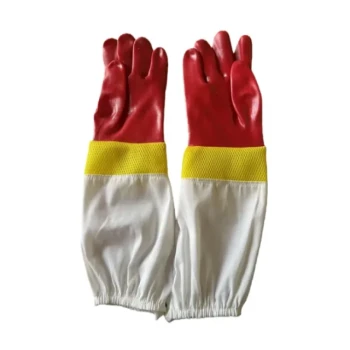
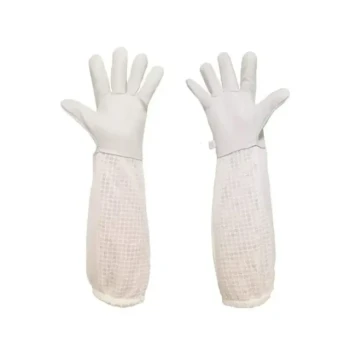
Thumb loops are a specific, high-impact feature for maintaining a functional fit.
They anchor the sleeves in place, preventing them from riding up your arms when you reach forward or lift heavy supers. This simple addition maintains the integrity of your protective gear during active use.
Understanding the Trade-offs
The "Size Up" Strategy
It is generally recommended to choose a size slightly larger than what you normally wear to ensure the suit fits comfortably over your clothes.
However, the trade-off is precision. You must verify that "sizing up" provides the necessary room to move without creating the dangerous gaps associated with a suit that is simply too big. Relying on sizing guides is the only objective way to navigate this trade-off effectively.
Making the Right Choice for Your Goal
To ensure your suit functions effectively, prioritize features based on your specific environment and work style:
- If your primary focus is Working in Hot Climates: Prioritize a lightweight, ventilated suit with a loose fit to maximize airflow and prevent overheating.
- If your primary focus is Maximum Safety and Mobility: Select a size slightly larger than your standard wear to ensure an air gap for sting protection and full ankle/wrist coverage when bending.
- If your primary focus is Secure Seal: Ensure the suit features thumb loops and adjustable Velcro straps to customize the fit at vulnerable entry points.
Ultimately, the right fit transforms your suit from a simple barrier into a tool that enhances your endurance and confidence in the apiary.
Summary Table:
| Fit Factor | Impact on Functionality | Key Feature to Look For |
|---|---|---|
| Sizing | Prevents stings by maintaining an air gap & allowing layers. | Recommended "Size Up" approach |
| Mobility | Ensures full range of motion for lifting and bending. | Additional length in arms & legs |
| Security | Prevents bees from entering through gaps or riding up. | Thumb loops & Velcro straps |
| Ventilation | Reduces fatigue and heat exhaustion during long shifts. | Breathable/Ventilated fabrics |
| Dynamic Fit | Maintains coverage during crouching and stretching. | Elasticized ankles and wrists |
Elevate Your Beekeeping Operation with HONESTBEE
At HONESTBEE, we understand that professional beekeepers and distributors require more than just gear—they need reliable tools that enhance productivity and safety. We specialize in catering to commercial apiaries and global distributors with a comprehensive wholesale portfolio.
From high-performance, ergonomically designed beekeeping suits that ensure a perfect fit to advanced hive-making and honey-filling machinery, we provide everything you need to scale your business. Our offerings also include essential industry consumables and unique honey-themed cultural merchandise to help you stand out in the market.
Ready to upgrade your equipment or stock your inventory?
Contact HONESTBEE Today to discover how our premium wholesale solutions can drive your success!
Related Products
- Premium Cotton Beekeeper Suit with Reinforced Fencing Veil
- Professional Cotton Beekeeper Suit with Round Veil Design for Commercial Apiaries
- Professional Beekeeper Suit with Square Folding Cotton Veil
- Vented Beekeeping Jacket with Hood and Veil for Beekeepers
- White Cotton Beekeeping Jacket and Veil for Bee Keepers
People Also Ask
- What material and design specifications are recommended for a high-quality beekeeper suit? Top Gear Selection Guide
- How to Pre-treat Propolis Stains on Beekeeping Suits? Master Advanced Fabric Care and Soil Removal
- What features should be considered for sting protection in a beekeeping suit? Ensure Total Safety and Comfort
- What are the differences between full suits and jackets with veils in beekeeping? Choose Your Best Protection
- What features should be looked for in a beekeeping suit for maximum comfort? Prioritize Ventilation and Fit