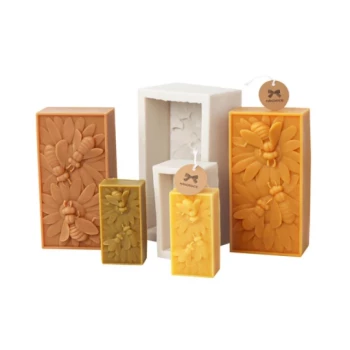
Bee wax functions as a fundamental biological lure. It operates by releasing specific scents that replicate the olfactory signature of an established, thriving colony. When applied to the interior of new beekeeping equipment, this scent profile signals to wild swarms that the location is a safe, viable environment for settlement.
The application of bee wax transforms sterile equipment into a recognized habitat, leveraging biological mimicry to drastically improve the success rate of hive colonization.
The Mechanism of Attraction
To understand why bee wax is effective, one must look at how it manipulates the sensory environment of the hive.
Mimicking an Established Colony
Bee wax does not act merely as a building material in this context; it acts as a signal.
The wax releases specific biological scents that effectively mimic the atmosphere of a hive that has already been colonized.
Reducing Colonization Resistance
New beekeeping equipment often lacks the "lived-in" chemical markers that bees naturally seek.
By introducing bee wax, you bridge the gap between artificial structures and the natural expectations of the swarm.
Strategic Application
The technical success of this method relies on where and how the wax is utilized within the equipment.
Interior Application
For the lure to be effective, the bee wax must be applied specifically to the interior of the new equipment.
This ensures the scent is contained and concentrated where the bees are intended to nest.
Encouraging Settlement
The presence of these scents does more than just attract bees; it encourages them to stay.
The wax signals that the environment is stable, prompting the wild swarm to settle and begin the colonization process.
Understanding the Constraints
While bee wax is a critical tool, it is important to recognize the limitations of its function as a lure.
Reliance on Scent Potency
The mechanism relies entirely on the release of biological scents.
If the wax does not actively release these specific notes, its ability to mimic a colony diminishes, potentially failing to attract a swarm.
The Requirement of Wild Swarms
Bee wax is an attractant, not a generator of bees.
Its utility is strictly limited to luring existing wild swarms in the environment; it cannot create a colony where no population exists.
Optimizing for Colonization Success
To maximize the effectiveness of bee wax in your apiary, align your application method with your specific objectives.
- If your primary focus is attracting new populations: Ensure the wax is applied generously to the interior surfaces to maximize the release of biological scents.
- If your primary focus is rapid settlement: Use the wax to create a strong olfactory mimic of an established colony, reducing the swarm's hesitation to adopt the new structure.
By treating bee wax as a technical instrument for biological signaling, you significantly increase the reliability of your hive establishment efforts.
Summary Table:
| Mechanism | Function | Impact on Colonization |
|---|---|---|
| Biological Mimicry | Releases scents of a thriving colony | Highers attraction rates for wild swarms |
| Chemical Signaling | Bridges gap between sterile and "lived-in" environments | Reduces swarm hesitation and resistance |
| Scent Concentration | Strategic interior application | Encourages immediate settlement and nesting |
| Environment Stability | Signals a safe and viable habitat | Increases long-term hive establishment success |
Scale Your Apiary Operations with HONESTBEE
Maximize your colonization success and operational efficiency with professional-grade solutions. HONESTBEE provides commercial apiaries and distributors with a comprehensive wholesale portfolio, including:
- Beekeeping Machinery: Advanced hive-making and honey-filling machines.
- High-Quality Hardware: Durable beekeeping tools and specialized equipment.
- Industry Consumables: Essential supplies for maintaining healthy, productive colonies.
- Cultural Merchandise: Honey-themed products to diversify your market reach.
Whether you are expanding a commercial honey farm or supplying the next generation of beekeepers, we deliver the technical expertise and equipment you need.
Ready to optimize your production? Contact us today to discuss your wholesale needs.
References
- Félix Meutchieye, Joseph Tchoumboué. Beekeeping features in the Cameroon Adamawa grasslands. DOI: 10.46325/gabj.v2i2.118
This article is also based on technical information from HonestBee Knowledge Base .
Related Products
- Beeswax Foundation Sheets Beehive Foundation for Wholesale
- Beeswax Melter for Candle Making Honey Bee Wax Melter
- Professional Stainless Steel Wax Melter for Beekeeping and Crafts
- Assembled Wooden Bee Frames with Beeswax Foundation Ready to Use by HONESTBEE
- Bee Floral Relief Silicone Mold for Artisan Soap Candle Making
People Also Ask
- What are the technical advantages of beeswax foundations and feeding tools? Optimize Your Bee Breeding Phase
- Why is the regular exchange and replacement of beeswax foundations encouraged? Boost Honey Yield & Hive Biosafety
- What are the negative consequences of using old or contaminated beeswax in foundations? Protect Your Hive Today
- Why is high-purity natural beeswax essential for foundations? Prevent Larval Mortality & Boost Colony Health
- What are the specific advantages of regular comb replacement? Boost Hive Health with New Beeswax Foundations