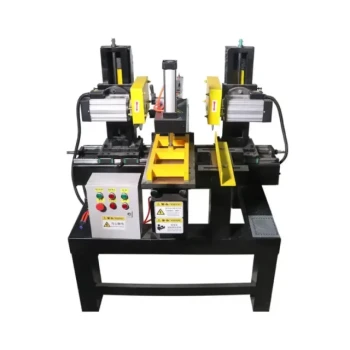
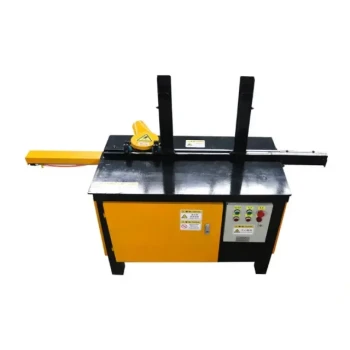
Industrial-grade beehive making machinery supports sustainable beekeeping by ensuring the rapid production of standardized, modular hive components that allow beekeepers to adapt physical hive capacity to fluctuating nectar resources. This technology guarantees structural stability for hives in diverse climates—including arid or semi-arid regions—while enabling the seamless addition of storage units (honey supers) during peak flowering seasons to maximize collection efficiency.
Core Takeaway: The central value of this machinery is the creation of a "modular ecosystem." By producing identical, high-precision components, beekeepers can mechanically expand hive size during resource booms and contract it during dearths, ensuring colony survival and economic viability despite seasonal unpredictability.
Adapting to Seasonal Volatility
Flexible Capacity Management
In regions with distinct seasonal variations, honey flow is rarely constant. Industrial machinery produces standardized hive bodies and "honey supers" (additional boxes) that fit together perfectly. This modularity allows beekeepers to physically expand the hive's volume instantly during peak flowering seasons to capture maximum yield, and reduce it during winter or dry seasons to help the colony conserve heat and resources.
Resilience in Diverse Climates
Primary manufacturing references highlight that industrial machinery is specifically adapted to produce hives for challenging environments, such as arid or semi-arid zones. High-precision processing ensures tight seals and robust joinery. This structural integrity protects the colony from extreme weather fluctuations, maintaining the internal microclimate necessary for bee survival when external resources are scarce.
The Role of Standardization in Sustainability
Precision and Interchangeability
Machinery utilizing CNC milling and standardized molds achieves extremely tight dimensional tolerances. This ensures that frames and bodies are 100% interchangeable between different hives. If one colony is struggling due to seasonal stress, resources (frames of honey or brood) can be seamlessly transferred from a stronger hive without compatibility issues, stabilizing the overall apiary population.
Supporting Migratory Beekeeping
Seasonal honey-source variation often necessitates moving colonies to different geographic locations to follow the bloom. Hives produced by industrial machinery offer the structural stability required for long-distance transport. Features like standardized metal handles and precision-cut joints reduce vibration and physical damage during transit, preventing the collapse of delicate honeycombs and reducing stress on the bees.
Operational Efficiency and Disease Control
Improved Quarantine and Hygiene
Sustainability relies on keeping colonies healthy. The high physical consistency of machine-made parts facilitates better quarantine practices. Because frames can be easily moved and isolated, beekeepers can manage disease transmission risks more effectively. This capability is critical when managing colonies that are under stress from seasonal changes, which can make them more susceptible to illness.
Scaling for Market Demand
Mechanized production significantly reduces the manufacturing cycle and labor costs per unit. This allows operations to scale up quickly. When a favorable season is forecasted, beekeepers can rapidly acquire the necessary infrastructure to expand their operations, ensuring they can capitalize on the available forage without being bottlenecked by equipment shortages.
Understanding the Trade-offs
The Cost of Standardization
While standardization drives efficiency, it creates a rigid dependency on specific dimensions. Once an operation commits to a specific industrial standard (e.g., Langstroth dimensions produced by specific machinery), shifting to a different format becomes logistically difficult and expensive.
Capital Intensity vs. Labor
Transitioning to or relying on industrial-grade machinery shifts the operational burden from manual craftsmanship to capital investment. While this reduces labor costs per unit over time, it requires significant upfront investment in the machinery itself or in purchasing these premium machine-made hives, which may be a barrier for smaller, localized operations.
Making the Right Choice for Your Goal
To leverage industrial hive machinery for sustainable practices, align your equipment choice with your specific operational needs:
- If your primary focus is Yield Maximization: Prioritize machinery that produces modular "honey supers" with high-precision mating surfaces to allow rapid, gap-free expansion during short, intense honey flows.
- If your primary focus is Colony Health & Stability: Focus on equipment that guarantees frame interchangeability, allowing you to balance resources between strong and weak colonies during seasonal dearths.
- If your primary focus is Migratory Beekeeping: Ensure the machinery produces hives with reinforced joints and standardized handling points to withstand the vibrations and physical stress of frequent relocation.
Standardization is not just about convenience; it is the structural foundation that allows beekeeping operations to remain agile and resilient in the face of environmental unpredictability.
Summary Table:
| Feature | Benefit for Sustainable Beekeeping | Impact on Seasonal Variation |
|---|---|---|
| Modular Design | Rapid expansion/contraction of hive volume | Maximizes storage during nectar flows; conserves heat in winter |
| Standardization | 100% interchangeable frames and bodies | Enables resource balancing between colonies during resource dearths |
| Structural Stability | Precision-cut joints and tight seals | Protects colony microclimates in arid or volatile climates |
| Transport Readiness | Reinforced joints and standardized handles | Facilitates safe migratory beekeeping to follow seasonal blooms |
| High-Precision CNC | Improved quarantine and disease control | Reduces colony stress and prevents disease spread during lean seasons |
Scaling Your Apiary Operations with HONESTBEE
At HONESTBEE, we understand that sustainability in beekeeping requires both precision and resilience. We empower commercial apiaries and distributors by providing a comprehensive wholesale ecosystem of high-performance beekeeping tools and industrial machinery.
Why partner with us?
- Advanced Machinery: From CNC hive-making units to automated honey-filling machines, we provide the hardware needed to standardize your production.
- Global Supply Chain: Access a full spectrum of beekeeping equipment and essential industry consumables designed for diverse climates.
- Cultural Merchandise: Enhance your brand value with our unique array of honey-themed cultural products.
Whether you are looking to optimize your migratory beekeeping fleet or expand your distribution network, HONESTBEE delivers the quality and scale you need to thrive.
Contact Our Experts Today to discover how our wholesale solutions can strengthen your beekeeping enterprise.
References
- Ahmad Al-Ghamdi, Nageeb A. Al‐Sagheer. Plant Species as Potential Forage for Honey Bees in the Al-Baha Mountain Region in Southwestern Saudi Arabia. DOI: 10.3390/plants12061402
This article is also based on technical information from HonestBee Knowledge Base .
Related Products
- High-Efficiency Pneumatic Bee Hive Making Machine for Rapid Box Assembly
- Mini Desktop Bee Hive Frame Forming Making Machine
- HONESTBEE Top Bar & Bottom Bar Forming Machine | Bee Frame Machine
- Automatic High-Speed Bee Hive Box Stapling Machine
- Beehive Handle and Frame Rest Cutting Machine: Your Specialized Hive Machine
People Also Ask
- How does the introduction of professional beehive-making machinery benefit sustainable beekeeping? Scale Your Apiary
- Why is specialized beehive-making machinery critical for low-defense breeding? Enhance Selection with Precision Tools
- How does the introduction of specialized beehive making machinery contribute to increasing the scale of regional beekeeping industries?
- What is the importance of specialized beehive making machinery in a circular bio-economy? Build Local Sustainability
- Why is specialized beehive-making machinery essential? Scale Your Apiary with Precision Industrial Standards