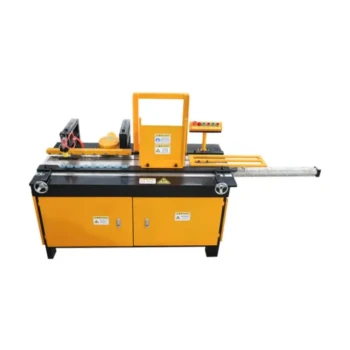
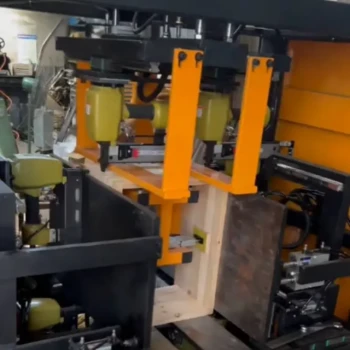
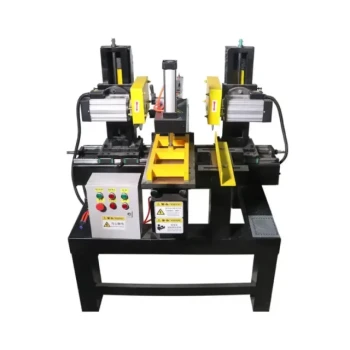
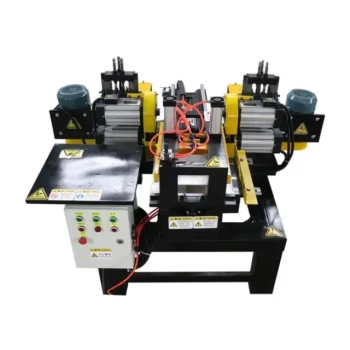
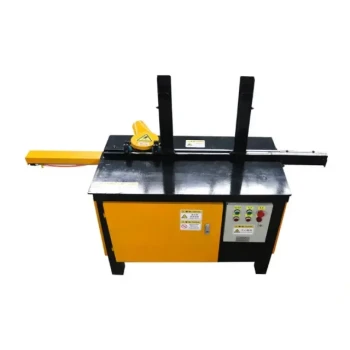
Industrial hive-making machinery acts as the logistical backbone for large-scale ecological interventions. By utilizing high-precision processing, this technology produces standardized, durable habitats that are essential for maintaining bee health across vast numbers. This consistency allows conservation organizations and apiarists to efficiently deploy healthy colonies into agricultural landscapes, directly facilitating habitat restoration and the recovery of critical pollination functions.
Core Takeaway The true value of this machinery lies not just in manufacturing speed, but in creating a predictable, standardized infrastructure. This uniformity is the technical prerequisite for managing thousands of colonies simultaneously, ensuring the biosecurity, physical stability, and interchangeability required for effective, large-scale pollination and restoration efforts.
The Critical Role of Standardization in Restoration
Ensuring Colony Health
The primary contribution of industrial machinery is the creation of a standardized geometric structure. High-precision processing ensures that every hive component meets exact specifications.
This precision is fundamental to bee health. A consistent, well-built environment reduces physical stress on the colony, allowing the bees to focus energy on foraging and pollination rather than repairing structural inconsistencies.
Enabling Scale
Restoration projects often fail due to logistical bottlenecks. Industrial machinery solves this by allowing for the rapid production of durable habitats.
To achieve recovery of pollination functions across wide agricultural landscapes, conservationists must deploy massive numbers of colonies. Automated manufacturing provides the throughput necessary to meet this demand without sacrificing the quality of the habitat.
Enhancing Pollinator Management Efficiency
Facilitating Migratory Operations
Large-scale management often requires moving bees to high-value crop areas. Industrial-grade equipment produces reinforced transport brackets and physically stable structures.
This stability is vital for mitigating the stress of long-distance transport. It ensures that populations arrive intact and ready to pollinate, maintaining high efficiency even after the high-intensity stress of migration.
Streamlining Biosecurity and Maintenance
Standardization creates complete interchangeability of parts, such as frames and boxes.
This allows for the implementation of Good Beekeeping Practices (GBPs) on a commercial scale. When components are uniform, apiarists can mechanically harvest honey and swap out parts for cleaning or disease prevention much faster. This directly improves biosecurity control levels across the entire operation.
Understanding the Trade-offs
Rigidity of Infrastructure
While standardization drives efficiency, it creates a dependency on specific dimensions. Once an operation commits to a specific industrial standard, introducing custom or non-standard equipment becomes operationally difficult. You gain speed and compatibility, but you sacrifice the flexibility to easily modify hive designs for unique, small-scale micro-environments.
Operational Prerequisites
Leveraging this technology requires a shift in operational focus. To benefit from reduced raw material loss and lower maintenance costs, operators must invest in the machinery capable of high-precision output. The efficiency gains in the field are significant, but they rely on maintaining the technical capabilities of the manufacturing or procurement process.
Making the Right Choice for Your Goal
To maximize the impact of hive-making machinery, align your hardware choices with your specific operational objectives.
- If your primary focus is Habitat Restoration: Prioritize machinery that produces highly durable materials to minimize maintenance and ensure long-term colony survival in wilder landscapes.
- If your primary focus is Commercial Pollination: Prioritize equipment that ensures absolute interchangeability and transport stability to support migratory logistics and rapid turnover.
By integrating industrial precision with ecological goals, you transform beekeeping from a manual craft into a scalable engine for environmental recovery.
Summary Table:
| Key Feature | Benefit for Restoration & Management | Impact on Operations |
|---|---|---|
| High-Precision Standardization | Ensures uniform bee environments and physical stability. | Reduces colony stress and improves bee health. |
| Rapid Production Throughput | Enables the deployment of thousands of colonies quickly. | Solves logistical bottlenecks for large landscapes. |
| Interchangeable Components | Facilitates mechanical harvesting and disease control. | Streamlines maintenance and enhances biosecurity. |
| Reinforced Structural Design | Supports the safe transport of bees across long distances. | Maintains pollinator efficiency during migration. |
Scaling Your Beekeeping Operations with HONESTBEE
At HONESTBEE, we specialize in empowering commercial apiaries and distributors with the industrial tools needed for global impact. From high-precision hive-making machinery and honey-filling lines to a comprehensive range of beekeeping equipment and consumables, we provide the standardized infrastructure required for large-scale pollinator management.
Whether you are restoring habitats or managing migratory pollination, our wholesale solutions ensure your hardware is durable, interchangeable, and efficient. Partner with HONESTBEE today to access professional-grade machinery that transforms ecological goals into measurable results.
Contact Us to Discuss Your Wholesale Needs
References
- Mace Vaughan, Scott Black. Conservation of Insects: Instant Symposium Summary. DOI: 10.1093/ae/54.2.96
This article is also based on technical information from HonestBee Knowledge Base .
Related Products
- High-Efficiency Pneumatic Bee Hive Making Machine for Rapid Box Assembly
- Beehive Handle and Frame Rest Cutting Machine: Your Specialized Hive Machine
- Mini Desktop Bee Hive Frame Forming Making Machine
- Automatic High-Speed Bee Hive Box Stapling Machine
- Beehive Machine Double End Saw for Precision Hive Component Manufacturing
People Also Ask
- How does the introduction of professional beehive-making machinery benefit sustainable beekeeping? Scale Your Apiary
- Why is specialized beehive-making machinery critical for low-defense breeding? Enhance Selection with Precision Tools
- How does the introduction of specialized beehive making machinery contribute to increasing the scale of regional beekeeping industries?
- What is the importance of specialized beehive making machinery in a circular bio-economy? Build Local Sustainability
- Why is specialized beehive-making machinery essential? Scale Your Apiary with Precision Industrial Standards