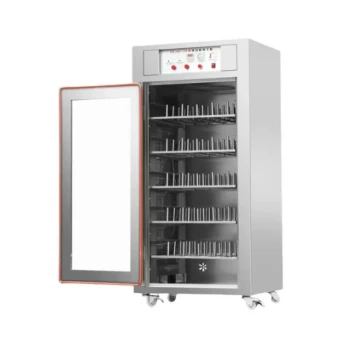
Sterilization equipment functions as the definitive safety barrier in the production of sweet sorghum-based bee feed. By applying high-temperature treatment to purified sweet sorghum juice, this machinery eliminates harmful microorganisms that would otherwise compromise the integrity of the product.
By neutralizing pathogens and stabilizing the juice, sterilization transforms a raw agricultural product into a shelf-stable nutritional supplement. This ensures beekeepers can safely sustain colonies during vulnerable non-foraging seasons without risking bacterial contamination.
The Mechanics of Biological Safety
Eliminating Microbial Threats
The primary function of sterilization equipment is the application of high-temperature treatment.
Raw sweet sorghum juice naturally contains bacteria and wild yeasts. This equipment heats the purified juice to specific thermal levels sufficient to kill these potential harmful microorganisms.
Preventing Spoilage
Without this thermal intervention, the high sugar content in sorghum juice would lead to rapid fermentation or spoilage.
Sterilization halts biological activity, stabilizing the liquid. This is the fundamental step that converts a perishable crop into a durable feed product.
Strategic Benefits for Beekeeping
Extending Shelf Life
Once sterilized, the feed maintains its quality over extended periods.
This extended shelf life allows producers to manufacture feed during the sorghum harvest and store it until it is needed by beekeepers months later.
Supporting Colonies in Critical Seasons
The ultimate goal of this process is to provide healthy nutritional supplements when nature cannot.
Beekeepers rely on this sterilized feed during non-foraging seasons, specifically autumn and early spring. It bridges the gap when natural nectar is scarce, ensuring the colony survives without starvation.
Understanding the Trade-offs
Thermal Impact on Composition
While high heat is necessary for safety, it must be carefully controlled.
Excessive or prolonged exposure to high temperatures can potentially degrade certain nutritional components within the juice. The equipment must balance thorough sterilization with the preservation of the feed's nutritional value.
Processing Complexity
Implementing sterilization adds a layer of complexity to the production line.
It requires precise energy management and maintenance to ensure consistent temperatures. If the equipment fails to reach the target temperature, the safety of the entire batch is compromised.
Making the Right Choice for Your Production
To maximize the value of sweet sorghum feed, you must align your processing standards with your colony management goals.
- If your primary focus is Storage Logistics: Prioritize sterilization protocols that maximize shelf life, ensuring the feed remains stable from the harvest season through the following spring.
- If your primary focus is Colony Health: Focus on the precision of the high-temperature treatment to ensure all pathogens are eliminated without degrading the sugar profile essential for bee energy.
Sterilization is not just a cleaning step; it is the essential process that secures the food supply chain for managed bee colonies.
Summary Table:
| Feature | Function in Feed Production | Benefit to Beekeepers |
|---|---|---|
| High-Temp Treatment | Neutralizes bacteria and wild yeasts | Prevents hive infections and disease |
| Biological Stabilization | Halts fermentation and spoilage | Ensures a reliable, non-toxic food source |
| Shelf-Life Extension | Maintains juice integrity over time | Enables storage for winter and early spring |
| Nutritional Preservation | Balanced thermal control | Maintains essential sugars for bee energy |
Secure Your Apiary’s Success with HONESTBEE
At HONESTBEE, we understand that high-quality feed is the backbone of a thriving commercial apiary. As a premier provider for distributors and commercial beekeeping operations, we offer a comprehensive suite of specialized beekeeping tools, hive-making machinery, and honey-filling equipment designed to professionalize your production line.
Whether you are looking to scale your operations with industrial-grade machinery or require a steady supply of essential consumables and honey-themed merchandise, our team is ready to support your growth. Contact us today to discover how our wholesale solutions can enhance your efficiency and ensure your colonies receive the premium nutrition they deserve.
References
- Abdurazzakova Mamura Nematjonovna. DEVELOPMENT OF TECHNOLOGIES FOR PROCESSING SUGAR SORGO, FORMING FEED FOR BEES AND STANDARDS FOR ITS USE. DOI: 10.37547/tajabe/volume04issue01-02
This article is also based on technical information from HonestBee Knowledge Base .
Related Products
- Professional Plastic Honey Dipper for Easy Honey Drizzling
- Heavy Duty Stainless Steel Honey Processing Machine Decrystallizing Tank
- Wide Adjustable Stainless Steel Honey Uncapping Fork with Scraper
- Professional Stainless Steel Honey Filtering Machine with Water Bath Heating for Beekeeping
- Heavy-Duty Ergonomic Grip Galvanized Pollen Shovel
People Also Ask
- What is a honey dipper? Master the Art of the Perfect Drizzle with This Essential Tool
- What is a honey dipper and what is it used for? A Guide to Mess-Free Drizzling
- What is the proper method for cleaning a honey dipper? Maintain Pure Flavor with These Easy Pro Tips
- What is a honey taking spoon called? Discover the Tool for a Perfect, Mess-Free Drizzle
- How do you clean and store a honey dipper? Simple Steps for Long-Lasting Performance