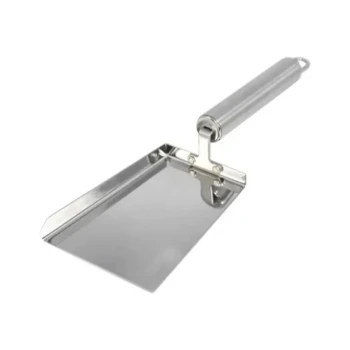
Strategic artificial feeding acts as a critical stabilizer for honeybee colonies during resource scarcity. When you apply industrial-grade high-protein pollen substitutes and high-concentration sucrose solutions, you do more than provide calories; you actively prevent the onset of robbing behavior and apiary-wide aggression. This intervention maintains the colony's brood-rearing momentum and satisfies basic metabolic requirements when natural foraging is impossible.
Core Takeaway Artificial nutrition serves a dual purpose during dearths: it sustains physiological health and acts as a behavioral control mechanism. By removing the stress of starvation, you suppress the colony's instinct to rob neighbors, thereby ensuring the structural and social stability of the entire apiary.
The Physiological Impact on the Colony
During non-foraging periods, the colony's internal resources deplete rapidly. Artificial intervention targets two specific biological necessities to prevent collapse.
Maintaining Brood Rearing
The primary function of high-protein substitutes is to sustain the production of new bees. Without an external protein source, brood rearing acts slow or stop, leading to a population decline that can be fatal in the long term.
Meeting Metabolic Baselines
High-concentration sucrose solutions provide the immediate energy required for survival. This ensures the basic metabolic functions of the hive continue uninterrupted, preserving the workforce needed to maintain hive temperature and hygiene.
Powering Royal Jelly Production
Protein is the raw material nurse bees use to secrete royal jelly. This substance is non-negotiable for larval development; maintaining its production ensures that the physical strength, immunity, and lifespan of the next generation remain uncompromised.
The Behavioral Impact on the Apiary
The most immediate risk during a nectar dearth is not just starvation, but violence. Resource scarcity triggers defensive and offensive behaviors that can destabilize an entire operation.
Suppressing Robbing Behavior
When food is scarce, bees naturally seek resources from neighboring hives. This phenomenon, known as robbing, is triggered specifically by food shortages. Providing sucrose and protein solutions mitigates this drive, keeping foragers focused on the internal feeder rather than attacking weaker colonies.
Reducing Widespread Aggression
Robbing leads to fighting, which drastically increases the aggression level of the entire apiary. By preemptively feeding, you eliminate the root cause of this aggression, ensuring stable and manageable conditions for the beekeeper.
Understanding the Trade-offs
While pollen substitutes and sucrose are essential tools for stability, they must be understood as interventions rather than perfect replacements.
Synthetic vs. Natural Complexity
Pollen substitutes are critical when natural sources are scarce or have low protein content. However, they are synthetic approximations. They provide essential proteins and lipids, but they may lack the full nutritional complexity found in diverse natural pollen.
The Importance of Diversity
Supplementary data suggests that diverse pollen sources are superior for preventing nutritional deficiencies. While substitutes bridge the gap during dearths, relying on them exclusively without eventual access to diverse floral fallows may limit the colony's long-term immune resilience.
Making the Right Choice for Your Goal
How you utilize these inputs depends on your immediate operational objectives.
- If your primary focus is Apiary Peace: Prioritize high-concentration sucrose solutions immediately upon noticing a nectar dearth to suppress the robbing instinct before it begins.
- If your primary focus is Colony Growth: Ensure your pollen substitute is high in protein and lipids to maximize royal jelly production and sustain brood rearing during the slump.
- If your primary focus is Long-Term Immunity: Use substitutes as a temporary bridge, but plan for access to diverse floral sources as soon as environmental conditions allow.
Proactive feeding transforms a period of potential collapse into a manageable season of maintenance.
Summary Table:
| Nutritional Input | Primary Function | Behavioral/Physiological Impact |
|---|---|---|
| High-Protein Substitutes | Sustains Royal Jelly & Brood | Prevents population decline and boosts immune resilience. |
| Sucrose Solutions | Immediate Metabolic Energy | Suppresses robbing behavior and reduces apiary-wide aggression. |
| Combined Feeding | Strategic Stabilization | Maintains hive temperature, hygiene, and social structural stability. |
Secure Your Apiary’s Productivity with HONESTBEE
Maintaining colony stability during non-foraging periods is critical for commercial success. At HONESTBEE, we specialize in supporting commercial apiaries and distributors with a comprehensive range of beekeeping tools, industrial-grade machinery, and essential consumables.
Whether you need precision honey-filling machines to process your harvest or high-performance equipment to maintain hive health, our wholesale portfolio is designed to enhance your operational efficiency and long-term resilience.
Ready to scale your beekeeping operation? Contact us today to discover how our expert hardware and supply solutions can provide the stability and growth your business demands.
References
- Daniela Zárate, James C. Nieh. Seasonal variation in defense behavior in European and scutellata-hybrid honey bees (Apis mellifera) in Southern California. DOI: 10.1038/s41598-023-38153-2
This article is also based on technical information from HonestBee Knowledge Base .
Related Products
- Heavy-Duty Ergonomic Stainless Steel Pollen Shovel
- Heavy-Duty Ergonomic Grip Galvanized Pollen Shovel
- Removable Plastic Pollen Trap With Ventilated Tray for Bees Pollen Collector
- Plastic Bee Pollen Trap Strips Comb Catcher Collector
- 30 cm Plastic Entrance Hole Bee Pollen Trap and Collector
People Also Ask
- How is pollen cleaned after it has been dried? Master Efficient Separation for Pure Bee Pollen
- What methods are used to clean harvested bee pollen? Scale Your Beekeeping Operations with the Right Technique
- How can harvested bee pollen be cleaned to remove impurities? Efficient Methods for Commercial and Hobbyist Beekeepers
- How do bee pollen collection tools affect the quality of bee pollen used in functional dairy ice cream production?
- What is the technical significance of using specialized cutting tools for propolis? Master Precision Pollen Harvesting