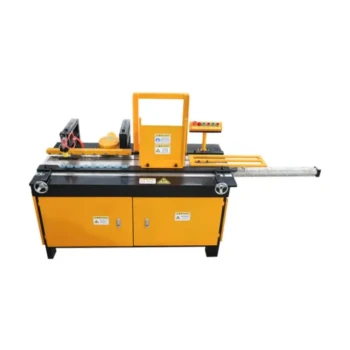
Effective Small Hive Beetle (SHB) management during colony splitting hinges on minimizing the release of attractant scents and accelerating the colony's recovery. High-quality, precision-fit beehive components combined with rapid, standardized splitting practices drastically reduce the emission of volatile odors that lure beetles. This creates a physical and temporal barrier that prevents SHB from infiltrating the hive during its most vulnerable state.
Colony splitting temporarily disrupts the organizational structure of the hive, creating a window of vulnerability. By using precise, clean components and efficient management techniques, you suppress the chemical cues that attract Small Hive Beetles and ensure the colony regains its defensive order before pests can establish a foothold.
Reducing Attraction Through Component Quality
The Seal Against Volatile Odors
The primary vector for attracting Small Hive Beetles is scent. During a split, the colony is stressed and resources are exposed, releasing volatile odors.
High-precision beehive components are essential because they fit together tightly. This eliminates gaps that would otherwise allow these attractive scents to leak out into the surrounding environment.
Cleanliness as a Defensive Baseline
The condition of the components is just as critical as their fit. You must utilize clean components rather than reusing dirty or damaged equipment.
Debris or warped edges on old components can compromise the seal of the hive. A clean interface ensures a tight closure, keeping scents in and beetles out.
Operational Speed and Colony Recovery
Minimizing the Exposure Window
The physical act of splitting a colony inevitably weakens its organizational structure. The longer the hive remains open or disorganized, the higher the risk of infestation.
Implementing efficient, rapid operational procedures is necessary to shorten this period of exposure. A standardized management process ensures the hive is sealed quickly, reducing the time window available for beetles to enter.
Restoring Defensive Order
A split colony lacks its usual defensive coordination. If beetles enter during this chaos, they can lay eggs before the bees organize a counter-attack.
Speed allows the bees to re-establish their defensive order faster. By closing the vulnerability gap, you prevent the beetles from utilizing the hive's resources for reproduction.
Understanding the Trade-offs and External Factors
Equipment Cannot Replace Technique
While high-quality components are vital, they are not a cure-all. Even the most expensive, precision-milled hive box will fail if the management practice is slow or clumsy.
Beekeepers often mistake equipment quality for security. You must remember that technique and speed are the active drivers of defense; components are simply the passive infrastructure.
Perimeter Defense Limitations
Managing the hive components addresses the internal and immediate structural risks, but it does not eliminate the external threat entirely. SHB larvae are capable of crawling considerable distances to pupate.
To mitigate this, you should manage the ground cover beneath the hive. Applying deterrents like salt or diatomaceous earth (DE) creates a hostile perimeter, though this is a secondary measure to the primary goal of hive integrity.
Making the Right Choice for Your Goal
To maximize your success rate during colony splitting, prioritize your resources based on your specific operational gaps.
- If your primary focus is preventing initial infestation: Invest in high-precision, clean hive components to ensure a hermetic seal that traps volatile odors inside the box.
- If your primary focus is colony recovery: Refine your splitting workflow to be standardized and rapid, allowing the bees to re-establish their defensive order immediately.
- If your primary focus is perimeter control: Clear the ground cover and apply deterrents like diatomaceous earth to complicate the path for any beetles or larvae outside the hive.
Success ultimately relies on tightening the seal of your equipment and the efficiency of your workflow to deny pests the opportunity to strike.
Summary Table:
| Factor | Impact on SHB Control | Management Action |
|---|---|---|
| Component Precision | Minimizes scent leaks that attract beetles | Use high-precision, tight-fitting hive boxes |
| Equipment Cleanliness | Prevents gaps caused by debris or warping | Utilize new or thoroughly cleaned components |
| Operational Speed | Shortens the colony's window of vulnerability | Standardize splitting workflows for rapid closure |
| Perimeter Defense | Disrupts the beetle life cycle in the soil | Apply diatomaceous earth or salt around hive stands |
Secure Your Apiary’s Future with HONESTBEE
Don’t let Small Hive Beetles compromise your colony's growth. HONESTBEE provides commercial apiaries and distributors with the precision-engineered tools and equipment needed to maintain hive integrity during critical operations like colony splitting. From high-tolerance beehive components and hive-making machinery to essential industry consumables and honey-themed cultural merchandise, we offer a comprehensive wholesale portfolio designed for professional success.
Ready to elevate your beekeeping standards? Contact us today to explore our wholesale solutions and see how our hardware can enhance your defensive management strategies.
References
- Sérgio Nogueira Pereira, Érica Weinstein Teixeira. Occurrence of the small hive beetle (Aethina tumida) in Melipona rufiventris colonies in Brazil. DOI: 10.13102/sociobiology.v68i1.6021
This article is also based on technical information from HonestBee Knowledge Base .
Related Products
- Beehive Handle and Frame Rest Cutting Machine: Your Specialized Hive Machine
- Steel Round Disc Entrance Reducer for Flexzion Bee Hive Nuc Box Gate
- Metal Bee Hive Stand Bee Box Stand for Beekeeping
- Heavy-Duty Nylon Beehive Hive Strap with Stainless Steel Cinch Buckle
- Stainless Steel Round Beehive Air Vents for Ventilation
People Also Ask
- What is the importance of specialized beehive-making machinery? Ensure Precision for Sensor-Based Hive Monitoring
- How do bee hive handles facilitate the evaluation of food stores? Use the Lift Test for Winter Survival
- How do specialized beehive handling machines contribute to efficiency? Streamline Your Mobile Beekeeping Logistics
- How do professional beehive and frame manufacturing machines contribute to commercial apiary management? Boost Efficiency
- What are the standard dimensions for frame rests in a beehive? Essential Guide for Perfect Bee Space