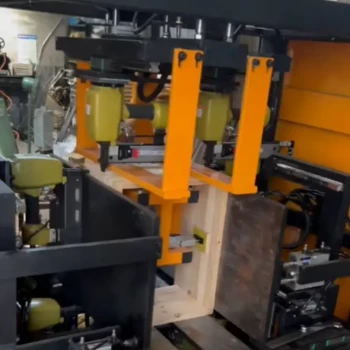
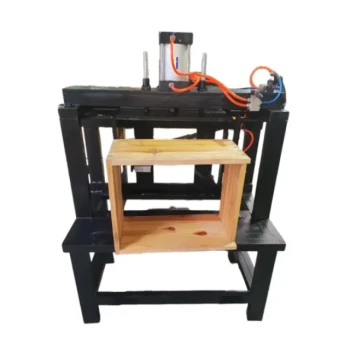
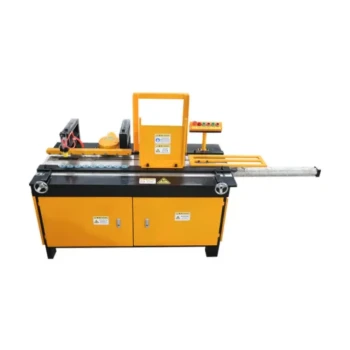
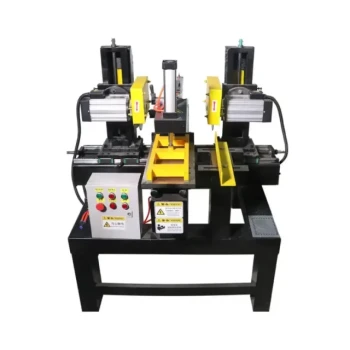
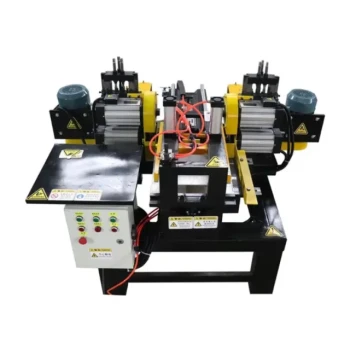
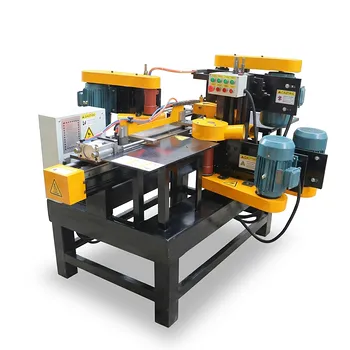
The industrialization of stingless beekeeping hinges on the precision and scalability provided by automated hive-making machines. These systems eliminate the variability of manual construction, ensuring that every hive component is interchangeable and optimized for the specific biological needs of stingless bees. By enabling mass production, these machines allow operators to scale from small holdings to commercial apiaries while significantly reducing labor costs and pest vulnerability.
Core Takeaway: Automated hive-making machines transform stingless beekeeping from a fragmented craft into a scalable industrial sector by providing the standardized hardware necessary for efficient colony management, rapid expansion, and high-yield honey production.
Driving Scalability through Standardized Production
Interchangeability and Operational Efficiency
Automated machines ensure consistent internal dimensions, which is the cornerstone of industrial-scale management. This standardization allows for the seamless interchangeability of frames and components between different colonies, drastically reducing the time required for inspections and maintenance.
Lowering Barriers for Commercial Entry
By enabling the mass production of standardized beehives, these machines lower the initial investment hurdle for new commercial beekeepers. This industrial hardware support is a prerequisite for expanding high-impact agricultural projects that require hundreds of units delivered with ultra-fast turnaround times.
Facilitating Colony Propagation
Standardized specifications are essential for the large-scale splitting and propagation of bee colonies. When every hive box is identical, beekeepers can move brood discs and honey pots with mathematical precision, ensuring the survival and growth of new colonies across vast apiary networks.
Enhancing Colony Health and Product Yield
Precision Engineering for Pest Control
High-precision woodworking reduces structural gaps that are common in hand-made hives. These tight tolerances create a superior physical barrier against pests such as phorid flies, which are a primary threat to stingless bee health in industrial settings.
Optimizing Internal Hive Architecture
Specialized machinery allows for the creation of rationalized beehives that meet the specific biological requirements of different stingless bee species. By manipulating the internal structure, beekeepers can encourage efficient honey storage, making mechanized harvesting a reality rather than a manual chore.
Supporting Modern Logistics and Mobility
Standardized hives provide the physical foundation for large-scale logistics and transport. Uniform outer dimensions ensure that hives can be packed efficiently for rapid delivery, supporting the mobility required for commercial pollination services and regional expansion.
Understanding the Trade-offs of Industrial Manufacturing
Capital Expenditure vs. Long-Term ROI
While automated hive-making machines significantly reduce per-unit costs at scale, they require a substantial initial capital investment. Distributors must weigh the benefits of rapid production against the costs of specialized equipment and energy consumption.
Material Selection and Species Sensitivity
Industrial machines often work best with specific types of timber or composites that may differ from a colony's natural habitat. Ensuring that industrial-grade materials maintain the thermal properties and moisture regulation required by sensitive stingless bee species is a critical technical challenge.
Risk of Over-Standardization
A "one-size-fits-all" approach can be detrimental if not tuned to species-specific needs. While standardization drives efficiency, it must be balanced with the deep professional expertise required to customize hive dimensions for the diverse range of stingless bee species found globally.
How to Leverage Industrial Hive Solutions for Your Business
Successfully integrating automated hive products into your portfolio requires a focus on reliability and technical precision.
- If your primary focus is rapid market expansion: Prioritize suppliers offering a comprehensive full-spectrum product portfolio that can deliver standardized units in large volumes with efficient order fulfillment.
- If your primary focus is reducing client colony loss: Select hive components manufactured with high-precision woodworking to ensure tight seals against pests like phorid flies.
- If your primary focus is operational versatility: Invest in hive systems designed for interchangeability, allowing your B2B clients to manage diverse apiaries with a single set of standardized components.
The shift toward automated hive production represents the essential transition from traditional, scattered beekeeping to a modernized, high-output industrial model.
Summary Table:
| Impact Area | Key Benefit | Business Value |
|---|---|---|
| Standardization | Interchangeable hive components | Faster maintenance and easier colony splitting |
| Precision Engineering | High-tolerance woodworking | Superior protection against pests like phorid flies |
| Mass Production | Scalable hardware manufacturing | Lower per-unit costs and rapid market expansion |
| Logistics | Uniform outer dimensions | Efficient transport for commercial pollination |
| Colony Growth | Optimized internal architecture | Higher honey yields and improved colony health |
Scale Your Beekeeping Business with HONESTBEE
Are you a distributor, wholesaler, or commercial apiary operator looking to lead the market? HONESTBEE provides the industrial-grade hardware and professional expertise you need to succeed. As your one-stop sourcing partner, we offer a comprehensive full-spectrum product portfolio, including precision hive-making machines, honey-filling equipment, and essential beekeeping consumables.
Why partner with HONESTBEE?
- Deep Industry Expertise: Specialized support for OEM/ODM requirements and B2B certifications.
- Unmatched Efficiency: Ultra-fast delivery and rapid response times to keep your supply chain moving.
- Premium Trading Services: High-margin opportunities for resellers with a focus on reliability and quality.
Transform your operation from a local craft to an industrial powerhouse. Contact our team today to explore our wholesale offerings and customized machinery solutions!
References
- Saullo Pereira Cavalcante, Lorena Beatriz Santos Santos. Meliponicultura: avaliação da viabilidade econômica e benefícios em pequena e média escala - perspectivas dos produtores. DOI: 10.54033/cadpedv21n13-290
This article is also based on technical information from HonestBee Knowledge Base .
Related Products
- Automatic High-Speed Bee Hive Box Stapling Machine
- High-Efficiency Pneumatic Bee Hive Making Machine for Rapid Box Assembly
- Mini Desktop Bee Hive Frame Forming Making Machine
- Beehive Handle and Frame Rest Cutting Machine: Your Specialized Hive Machine
- Beehive Machine Double End Saw for Precision Hive Component Manufacturing
People Also Ask
- How is the Bee Box machine adjusted for different box sizes? Maximize Your Woodworking Versatility and Precision
- How is the Bee Box machine operated? Optimize Your Commercial Hive Production with Scalable Staffing Solutions
- How was the Bee Box machine designed? Industrial Engineering for High-Volume Beekeeping Production
- What is the production capacity of the Bee Box machine? Boost Output up to 1,000 Boxes Daily
- What are the power requirements and control system for the Bee Box machine? Optimize Your Apiary Equipment Production