In the study of Tropilaelaps mite life history, a queen excluder serves as a critical isolation tool used to standardize the age of honey bee larvae. Researchers utilize the device to confine the queen to a single specific comb for a strict 24-hour window, forcing all eggs on that comb to be laid within the same narrow timeframe.
Core Insight: The queen excluder is not functioning here as a honey harvest tool, but as an instrument of temporal control. By creating a batch of synchronized larvae, researchers can predict exactly when brood cells will be capped, allowing for precise observation of when mites enter the cells and how their reproductive cycles unfold.
Creating a Controlled Environment
The Mechanics of Isolation
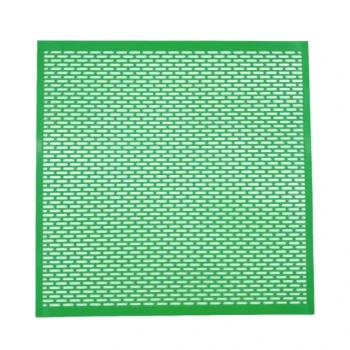
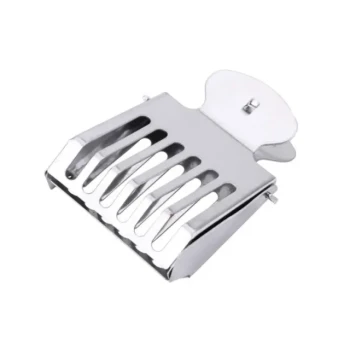
The queen excluder functions as a physical barrier based on precise biological dimensions. It creates a compartment where the queen is trapped on a specific comb, while smaller worker bees pass freely through the 4.1 to 4.4-millimeter gaps.
Achieving Brood Synchronization
The primary goal of this setup is age standardization. By removing the queen after exactly 24 hours, researchers guarantee that every egg on the target comb is approximately the same age.
Facilitating Worker Care
Because the excluder allows worker bees to pass through the grid, the isolated queen and her eggs are not cut off from the colony. Nurse bees continue to feed the queen and tend to the newly laid eggs without interruption.
The Importance of Synchronization in Mite Studies
Monitoring Mite Entry
Tropilaelaps mites enter brood cells shortly before the cells are capped. Because the larvae are synchronized, researchers can predict exactly when capping will occur and observe the specific timing of mite invasion.
Tracking Reproductive Cycles
Once the mites are inside the sealed cells, they begin their reproductive phase. A synchronized brood allows scientists to accurately measure the duration of the mite's oviposition (egg-laying) and development cycles relative to the bee's development.
Reducing Variables
In a natural hive, brood of all ages is mixed together. Using a queen excluder removes this variable, ensuring that any differences observed in mite behavior are not caused by differences in host larvae age.
Understanding the Trade-offs
Equipment Integrity Risks
The success of the experiment relies entirely on the precision of the excluder's manufacturing. If the grid is damaged or the gaps exceed 4.4mm, the queen may escape the isolation zone, ruining the synchronization of the brood.
Induced Colony Stress
Confining a queen to a single comb is an unnatural restriction that can induce stress in the colony. While necessary for the study, researchers must account for how this stress might subtly influence bee or mite behavior compared to "wild" conditions.
Making the Right Choice for Your Goal
Whether you are conducting academic research or managing a standard apiary, the utility of a queen excluder changes based on your objective.
- If your primary focus is experimental data: Use the excluder to enforce a 24-hour laying window, ensuring precise synchronization of host larvae for accurate parasite monitoring.
- If your primary focus is honey production: Use the excluder solely to separate brood boxes from honey supers, keeping your harvest free of eggs and larvae.
Ultimately, the queen excluder transforms the chaotic timeline of a natural hive into a predictable, linear timeline essential for rigorous scientific observation.
Summary Table:
| Feature | Research Application (Mite Study) | Standard Beekeeping Use |
|---|---|---|
| Primary Function | Temporal control & brood synchronization | Spatial separation of brood/honey |
| Queen Placement | Confined to a single comb for 24 hours | Restricted to the lower brood chamber |
| Objective | Predictable cell capping for mite tracking | Keeping honey supers free of larvae |
| Worker Access | Unrestricted for egg and queen care | Unrestricted for honey storage |
| Key Outcome | Age-standardized larvae batches | Clean, marketable honey harvests |
Elevate Your Apiary Operations with HONESTBEE
Whether you are conducting rigorous scientific research on Tropilaelaps mites or managing a large-scale commercial honey production, the precision of your equipment is paramount. HONESTBEE specializes in serving commercial apiaries and global distributors with a comprehensive range of high-quality beekeeping solutions.
From precision-engineered queen excluders and hive-making machinery to advanced honey-filling systems and industry consumables, we provide the tools you need to ensure operational efficiency and data accuracy. Partner with us to access professional-grade hardware and honey-themed cultural merchandise tailored to your business needs.
Ready to upgrade your equipment? Contact HONESTBEE today to explore our wholesale offerings and discover how our expertise can drive your success in the beekeeping industry.
References
- Denis Anderson, John M. K. Roberts. Standard methods for<i>Tropilaelaps</i>mites research. DOI: 10.3896/ibra.1.52.4.21
This article is also based on technical information from HonestBee Knowledge Base .
Related Products
- High Performance Plastic Queen Excluder for Beekeeping and Apiary Management
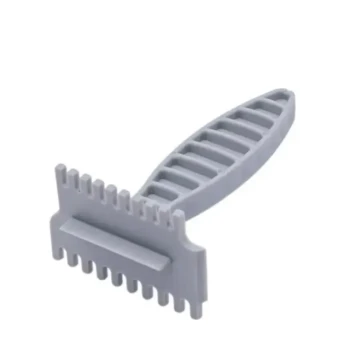
- Lightweight Durable Plastic Queen Excluder Scraper for Beekeeping
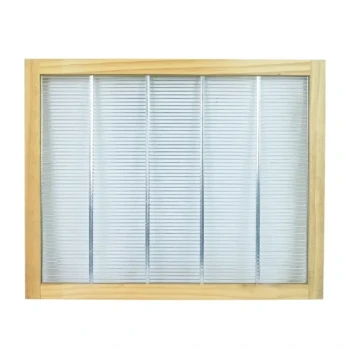
- Premium Wood Framed Metal Wire Queen Bee Excluder
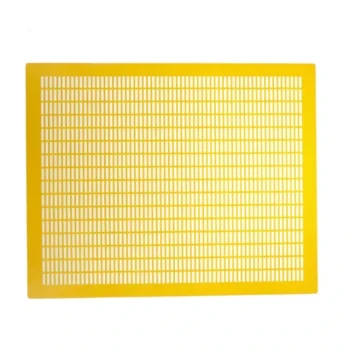
- Professional Plastic Queen Excluder for Modern Beekeeping
- Metal Queen Bee Excluder for Beekeeping
People Also Ask
- What are the characteristics of a plastic queen excluder? Key Benefits for Cost-Effective Beekeeping
- What are the operational and cost advantages of using plastic queen excluders over metal or wire excluders in commercial hive management? Discover how they reduce labor, prevent wing damage, and lower total costs.
- What types of queen excluders are available for beekeepers? Choose the Right Tool for Your Hive
- Why are standardized hive frames and queen excluders essential for maintaining honey purity and quality? Scale Your Purity
- Do plastic queen excluders work? A Cost-Effective Solution for Modern Apiaries