Winter equipment storage is not a rigid, one-size-fits-all protocol; it requires a strategy adapted to your specific environmental conditions and the type of gear you own. A successful approach combines the secure storage of hives to prevent damage with a rigorous cleaning routine for tools and protective apparel to ensure functionality for the coming season.
Effective winter preparation utilizes the off-season as a critical maintenance phase rather than just a storage period. By focusing on environmental control, pest prevention, and equipment repair now, you ensure a seamless and sanitary start to the spring season.
Adapting Storage to Your Environment
Evaluating Local Conditions
There is no single "correct" method for storing beekeeping equipment. You must tailor your strategy to your local climate and storage facilities.
Factors such as humidity levels, potential temperature swings, and the presence of local pests should dictate how and where you situate your gear.
Managing Temperature and Moisture
To maintain equipment integrity, select a storage area that avoids extreme temperature fluctuations. Rapid changes can lead to condensation or material stress.
Ensure the environment is clean, dust-free, and protected from moisture to prevent mold growth on woodenware or degradation of metal tools.
Protecting Hive Components
Defending Against Pests
The most critical threat to stored wax frames comes from pests like mice and wax moths. These intruders can destroy drawn comb and damage wooden frames within weeks.
You must implement physical barriers or treatments specifically designed to guard wax frames against these infestations throughout the winter months.
Utilizing Sealed Containers
Using sealed bins is a highly effective method for protecting smaller equipment and frames. These containers provide a controlled micro-environment that excludes dust and pests.
Ensure that whatever containment system you use protects the contents from strong odors, which can be absorbed by the wax and rejected by bees later.
comprehensive Maintenance Routines
Sanitizing Tools and Protective Gear
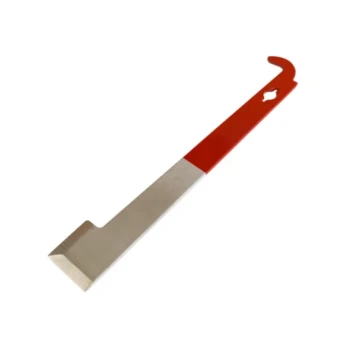
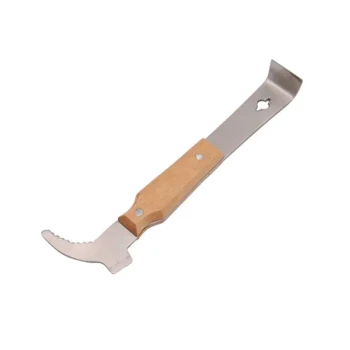
Winter maintenance must extend beyond the hives. You should thoroughly clean beekeeping tools and protective apparel, such as bee suits.
Removing propolis, wax, and venom residues preserves the functionality of zippers and veils, significantly extending their service life.
Repairing and Expanding Inventory
With bee activity at a minimum, winter provides the perfect window to inspect, repair, or replace damaged tools and machinery.
This is also the ideal time to build and paint new hives, ensuring you are fully prepared for spring package bees or swarm captures without the pressure of an active season.
Common Pitfalls to Avoid
Overlooking Odor Contamination
Beekeeping equipment is highly sensitive to smell. Avoid storing frames or boxes near chemicals, gasoline, or other strong scents.
Wax absorbs odors, and bees may reject equipment that smells foreign or toxic when introduced in the spring.
Neglecting "Clean" Storage
Simply stacking equipment in a shed often invites disaster. Failing to ensure a dust-free and dry environment can lead to rusted tools and moldy frames.
Invest time in cleaning the storage area itself before moving equipment in to prevent environmental contamination.
Optimizing Your Off-Season Strategy
To maximize your readiness for the upcoming season, align your winter tasks with your specific operational goals:
- If your primary focus is Equipment Longevity: Prioritize the deep cleaning of bee suits and tools to prevent material degradation.
- If your primary focus is Asset Protection: Focus on sealing wax frames in pest-proof bins to prevent destruction by moths and mice.
- If your primary focus is Spring Expansion: Use the downtime to build, paint, and prep new hives for incoming swarms or packages.
Treat your winter maintenance routine as an investment in the health and efficiency of your apiary for the year ahead.
Summary Table:
| Maintenance Category | Key Action Steps | Primary Goal |
|---|---|---|
| Woodenware & Frames | Clean, stack, and seal in pest-proof bins | Prevent wax moth and mouse damage |
| Beekeeping Tools | Remove propolis/wax and sanitize metal | Prevent rust and ensure smooth operation |
| Protective Apparel | Wash bee suits and inspect veils/zippers | Extend service life and maintain safety |
| Storage Environment | Control humidity and eliminate strong odors | Prevent mold growth and bee rejection |
| Inventory Growth | Repair existing gear and paint new hives | Prepare for spring swarms and expansion |
Elevate Your Apiary with HONESTBEE Professional Solutions
Don't let the off-season slow your growth. HONESTBEE is the trusted partner for commercial apiaries and distributors worldwide, offering a comprehensive wholesale catalog designed for professional scale. From industrial-grade hive-making and honey-filling machinery to high-quality beekeeping tools and essential consumables, we provide the hardware you need to thrive.
Ready to upgrade your inventory or automate your honey production? Contact us today to discover how our tailored equipment solutions can enhance your operational efficiency and long-term profitability!
Related Products
- HONESTBEE 15-in-1 Beekeeper Multi-Tool with Hammer and Pliers for Beekeeping
- Stainless Steel J Hook Hive Tool for Beekeeping
- Stainless Steel Queen Grafting Tool for Beekeeping and Bee Queen Grafting
- Multi-Function Plier-Style Frame Grip Hive Tool
- HONESTBEE Professional Mini J-Hook Hive Tool for Beekeeping
People Also Ask
- What is the recommended method for storing beekeeping tools? Expert Vertical Storage Solutions for Your Apiary
- Why is the treatment of beekeeping tools with high-concentration chemical disinfectants necessary for preventing AFB?
- How does a favorable microclimate interact with beekeeping tools? Boost Overwintering Success and Equipment Longevity
- Why are specialized beekeeping tools and consumables essential? Enhance Colony Management and Honey Yield Today
- How do specialized beekeeping tools and high-specification protective equipment assist in colony health management?