Speed is the single most critical factor in preserving equipment from a dead-out hive. To prevent wax moth destruction, you must immediately expose the woodenware and combs to sunlight, freeze them to destroy eggs and larvae, or treat them with specialized products like Paramoth before reuse.
The loss of a colony leaves valuable drawn comb vulnerable to rapid destruction by pests. Preservation requires immediate intervention to kill wax moths at all life stages, either through temperature control or chemical treatment, while heavily damaged equipment should be destroyed.
Immediate Preservation Strategies
Utilizing Temperature Control
The most effective chemical-free method for saving comb is freezing. Placing frames and woodenware in a freezer kills wax moths at every life stage, including the hard-to-spot eggs and larvae.
Exposure to Sunlight
Wax moths thrive in dark, undisturbed environments. Exposing reusable woodenware and combs to direct sunlight disrupts their preferred habitat and serves as a natural deterrent.
Chemical Intervention
For beekeepers who cannot utilize freezing or sunlight immediately, specialized chemical products are an option. Treatments such as Paramoth can be applied to the equipment to protect it until it is ready for a new colony.
Assessing Damage and Restoration
Managing Minor Infestations
If you discover the dead-out before significant damage occurs, the equipment is likely salvageable. You can manage minor infestations by manually removing visible larvae and webbing.
Once the visible debris is cleared, you must follow up by freezing all components. This secondary step ensures that any hidden eggs or remaining larvae are neutralized.
When to Destroy Equipment
There is a point of diminishing returns when trying to save gear. If a frame has suffered extensive wax moth damage, restoration is often inefficient and difficult.
In these severe cases, the most practical solution is to burn the affected comb. This allows you to start over with fresh foundation and eliminates a breeding ground for pests.
Understanding the Trade-offs
Labor vs. Replacement Costs
Trying to save a heavily infested frame requires significant manual labor and freezer space. While preserving drawn comb is valuable, burning extensively damaged equipment is often the more efficient choice for your overall operation.
Chemical vs. Natural Methods
Using products like Paramoth provides a safeguard for stored equipment but introduces chemicals into your management system. Freezing and sunlight offer a natural alternative but require immediate access to freezer capacity or favorable weather conditions.
Making the Right Choice for Your Apiary
The method you choose depends on the severity of the damage and your available resources.
- If your primary focus is preserving drawn comb without chemicals: Rely on freezing all components to effectively kill moth eggs and larvae.
- If your primary focus is managing a minor infestation: Manually clean the webs and larvae first, then freeze the equipment to ensure total eradication.
- If your primary focus is efficiency during a severe outbreak: Do not attempt restoration; burn the comb to prevent further issues and start fresh.
Act immediately to turn a dead-out liability into a resource for your next successful colony.
Summary Table:
| Management Method | Action Type | Best Used For |
|---|---|---|
| Freezing | Physical | Killing all life stages (eggs, larvae, adults) without chemicals. |
| Sunlight Exposure | Natural | Deterring moths from reusable woodenware and combs. |
| Chemical (Paramoth) | Treatment | Long-term protection for stored equipment in storage. |
| Manual + Freeze | Combined | Salvaging equipment with minor visible infestations. |
| Burning | Disposal | Eliminating severe infestations to prevent further spread. |
Scale Your Apiary with HONESTBEE’s Professional Wholesale Solutions
Protecting your equipment from pests is vital, but having the right tools for growth is essential. HONESTBEE caters to commercial apiaries and distributors with a comprehensive wholesale offering designed for industry leaders.
We provide a full spectrum of professional gear, including:
- Specialized Machinery: Hive-making and honey-filling machines to streamline your production.
- Premium Hardware: Durable beekeeping tools and equipment built for scale.
- Essential Consumables: A wide array of industry-standard supplies and honey-themed cultural merchandise.
Don't let equipment loss slow you down. Partner with a supplier that understands the needs of large-scale operations. Contact us today to explore our wholesale catalog and see how our expertise can enhance your apiary’s efficiency and profitability.
Related Products
- Durable 12V Oxalic Acid Vaporizer for Varroa Mite Treatment Beehive Beekeeping Tool
- Adjustable Formic and Acetic Acid Dispenser for Bee Mite Treatment
- Stainless Steel J Hook Hive Tool for Beekeeping
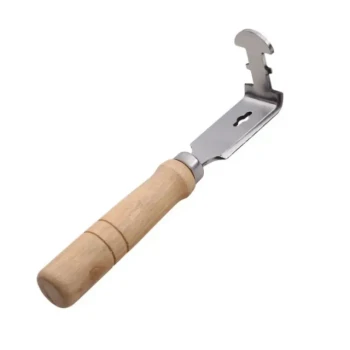
- Professional Stainless Steel Frame Cleaner with Ergonomic Wood Handle
- Professional Honey Scraper for Efficient Apiary Maintenance
People Also Ask
- What are the technical advantages of using professional Sublimators? Maximize Mite Control with Precision Vaporizers
- What is the minimum temperature for oxalic acid vaporization? Optimize Winter Mite Control at 37°F
- What is the recommended procedure for inserting and activating a vaporizer in a beehive? Master Hive Treatment Success
- What factors determine how often to treat for varroa mites with oxalic acid? Time Your Treatment for Maximum Efficacy
- What is the overall goal of using oxalic acid in late fall for beekeepers? Maximize Winter Survival with a Broodless Treatment