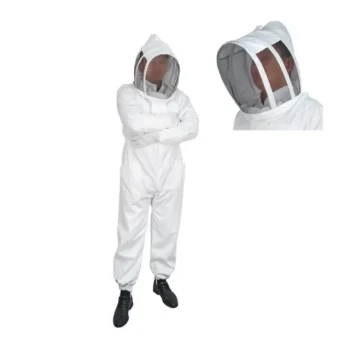
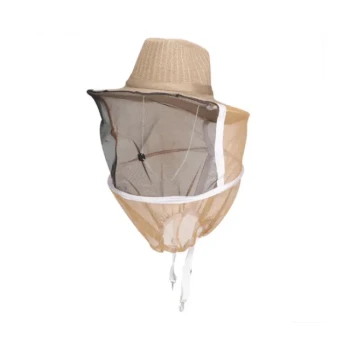
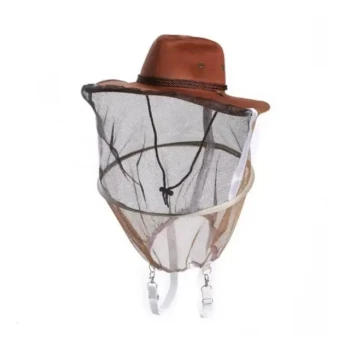
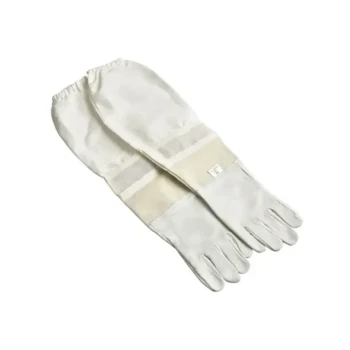
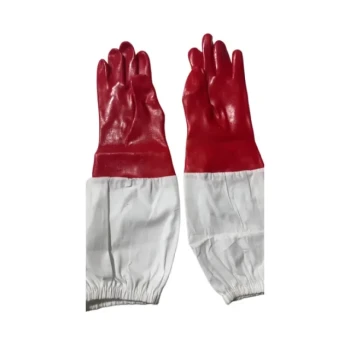
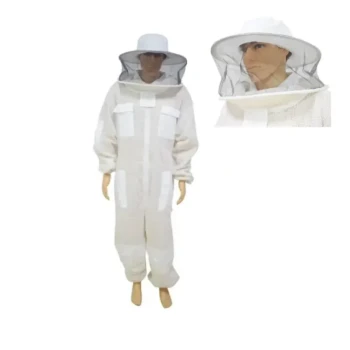
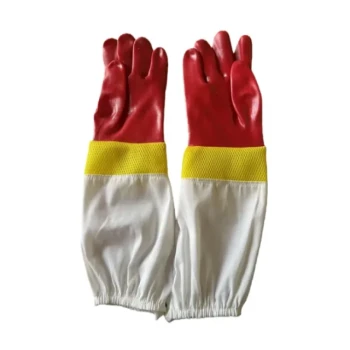
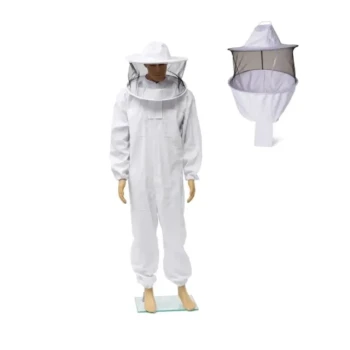
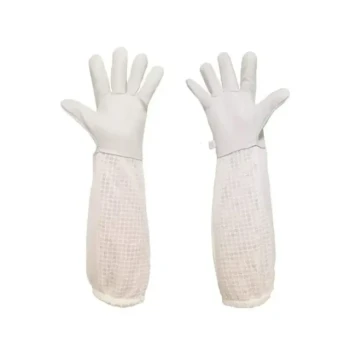
To maintain protective beekeeping clothing properly, you must prioritize both structural integrity and fabric care. Before every use, rigorously inspect the veil and suit for holes or tears and verify that all zippers and hook-and-loop closures function smoothly. While most suits and gloves are machine washable, they should be hung to dry rather than machine dried to prevent shrinkage that compromises safety.
The Core Objective Protective gear is a safety system, not just a uniform; its effectiveness relies entirely on maintaining a barrier between you and the colony. Regular cleaning removes pheromones or attractants, while air-drying preserves the loose fit essential for preventing stings.
Routine Inspection Protocols
Identifying Structural Weaknesses
Your primary maintenance task is a visual inspection before entering the apiary. Systematically check the bee veil and suit body for any holes, tears, or thinning fabric. Even a minor breach in the mesh or cloth can allow a bee to enter, neutralizing the suit's protection.
Verifying Closure Integrity
Bees are experts at finding gaps in armor. You must ensure that all zippers run smoothly and close completely without gapping. Additionally, check the condition of any hook-and-loop (Velcro) closures to ensure they still grip firmly, as these often cover critical zipper ends or pocket flaps.
Cleaning and Fabric Care
Washing Best Practices
To ensure longevity, gear must be cleaned regularly to remove accumulated dirt, propolis, wax, and honey. Most bee suits and gloves are designed to be machine washed. However, you should always consult the garment’s tag for specific manufacturer instructions before washing.
The Importance of Air Drying
The most critical error in maintenance is improper drying. Because many bee suits are made of cotton, they are highly susceptible to shrinkage. Always hang your suit to dry. Using a machine dryer can shrink the fabric, leading to tight areas where stings can easily penetrate to the skin.
Ensuring Operational Safety
Managing Fit and Sizing
Maintenance of your protection extends to how the gear fits your body. Protective clothing must retain a loose fit to allow for freedom of movement and to keep the mesh/fabric away from your skin. If the fabric tightens due to shrinkage or weight gain, the suit loses its ability to prevent stings.
Layering for Redundancy
The "maintenance" of your safety system includes what you wear underneath. Relying solely on the outer suit is a risk. Wear thick denim or canvas pants and long-sleeved shirts under your gear. Always tuck pant legs into socks or use boot bands to seal leg openings.
Common Pitfalls to Avoid
The Shrinkage Risk
A suit that has shrunk is a safety hazard. If a suit becomes too tight, it not only decreases comfort and increases heat retention but also brings the fabric flush against your skin. This eliminates the air gap that usually stops a stinger from reaching you.
Overlooking Post-Use Checks
Maintenance involves safe removal protocols. Before unzipping or removing your gear, carefully check zippers, folds, and creases for stray bees. Failing to clear the gear of bees before removal is a common cause of accidental stings outside the hive.
Making the Right Choice for Your Goals
To get the most out of your equipment, align your maintenance routine with your specific priorities:
- If your primary focus is Maximum Safety: Inspect the veil mesh and zipper endpoints before every single apiary visit to ensure no gaps exist.
- If your primary focus is Equipment Longevity: Wash your gear immediately after heavy exposure to honey or propolis, but strictly avoid heat drying to preserve the fibers.
Treat your protective clothing as a life-safety device, inspecting it as rigorously as you would a tool that your well-being depends on.
Summary Table:
| Maintenance Task | Frequency | Key Action Items |
|---|---|---|
| Visual Inspection | Before Every Use | Check for holes, tears, and mesh integrity in the veil. |
| Closure Check | Before Every Use | Test zippers for smooth operation and Velcro for strong grip. |
| Cleaning | After Heavy Use | Machine wash according to tag; remove honey, wax, and propolis. |
| Drying | After Every Wash | Air dry only; avoid machine dryers to prevent shrinkage. |
| Post-Use Check | After Hive Visit | Inspect folds and creases for stray bees before removal. |
Maximize Your Apiary Safety with HONESTBEE
Proper maintenance is only half the battle—starting with professional-grade gear is the foundation of safety. HONESTBEE provides commercial apiaries and distributors with high-quality, durable beekeeping clothing designed to withstand rigorous use. Beyond protective gear, we offer a comprehensive wholesale catalog including:
- Precision Machinery: Hive-making and honey-filling machines.
- Advanced Tools: A full spectrum of beekeeping hardware and equipment.
- Essential Consumables: Every item needed for high-volume honey production.
- Cultural Merchandise: Unique honey-themed products for retail growth.
Whether you are scaling a commercial operation or stocking your distribution network, HONESTBEE delivers the value and reliability you need. Contact our expert team today to discuss your wholesale requirements and elevate your beekeeping standards.
Related Products
- Premium Cotton Beekeeper Suit with Reinforced Fencing Veil
- White Cotton Beekeeping Jacket and Veil for Bee Keepers
- Beekeeping Jacket with Hood and Veil for Beekeepers
- Beekeeper Cowboy Hat and Veil for Beekeeping
- Premium Cowboy Beekeeper Hat with Visibility Veil Outdoor Professional Beekeeping Protective Gear
People Also Ask
- What material and design specifications are recommended for a high-quality beekeeper suit? Top Gear Selection Guide
- How to Pre-treat Propolis Stains on Beekeeping Suits? Master Advanced Fabric Care and Soil Removal
- What features should be considered for sting protection in a beekeeping suit? Ensure Total Safety and Comfort
- What are the differences between full suits and jackets with veils in beekeeping? Choose Your Best Protection
- What features should be looked for in a beekeeping suit for maximum comfort? Prioritize Ventilation and Fit