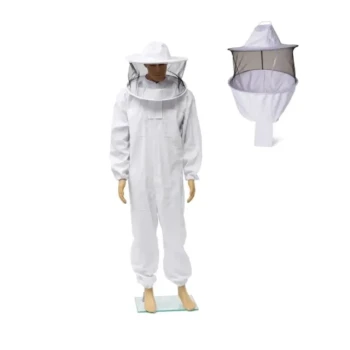
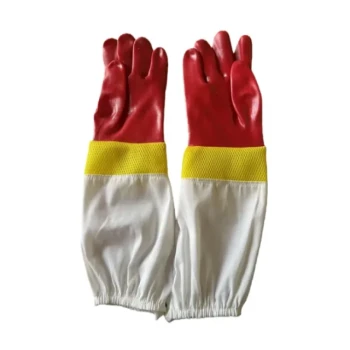
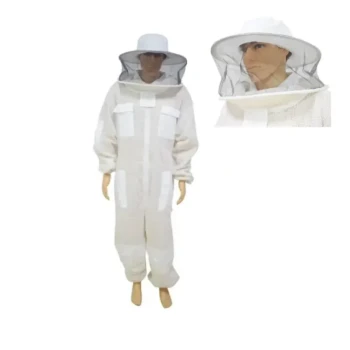
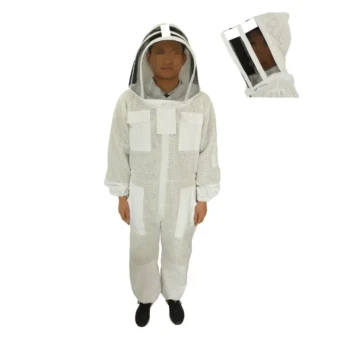
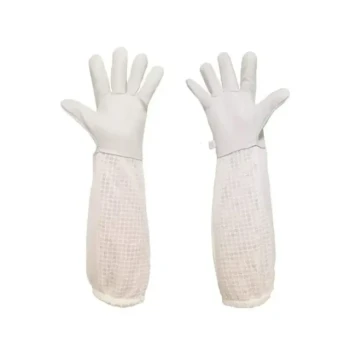
Beekeeping clothing must fit loosely to be effective, creating a critical air gap between the fabric and your body. While the torso and limbs should be spacious enough to prevent the fabric from stretching taut against your skin, the elastic cuffs at the wrists and ankles must be tight to form a complete seal against bee entry.
Core Takeaway The protective capability of beekeeping gear relies on distance, not just fabric density. A proper fit ensures the fabric hovers above the skin to stop stingers from making contact, while maintaining secure closures at the extremities to prevent bees from crawling inside.
Achieving the Optimal Protective Fit
The "Air Gap" Principle
The most common misconception is that the fabric itself stops the sting. In reality, space is your primary shield.
If clothing is worn too tightly, the fabric stretches directly against your skin. When a bee lands and stings, the stinger can easily penetrate the taut fabric and reach your flesh.
You must wear the clothing loose enough that the fabric "floats" around you. This ensures that even if a stinger pierces the material, it strikes harmless air rather than your skin.
Sealing the Perimeter
While the body of the suit must be loose, the openings must be secure.
Gaps at the wrists and ankles are the most vulnerable points for entry. Ensure the elastic cuffs fit snugly against your body or over your boots and gloves.
There should be absolutely no room for a bee to crawl between the fabric and your skin at these junction points.
Balancing Mobility and Comfort
Prioritizing Range of Motion
Beekeeping is physical work that requires bending, stretching, and twisting, often while lifting heavy hive boxes.
Your gear must allow for unrestricted movement. If the suit restricts you when you bend over, it is too small.
A restrictive fit not only compromises safety by pulling fabric tight against the skin but also increases fatigue during inspections.
Sizing for Heat Management
A tight fit significantly decreases comfort by trapping body heat against the skin.
It is generally recommended to choose a size larger than your standard clothing size.
The extra volume promotes better airflow within the suit, keeping you cooler during hot weather while maintaining that essential safety gap.
Understanding the Trade-offs
The Risk of Being "Too Loose"
While a loose fit is vital, there is a limit. Clothing should not be so baggy that it creates a tripping hazard.
Excessively loose material can snag on hive equipment or vegetation.
If the fabric folds over itself too much, it can also create crevices where bees might hide, making them difficult to brush off before you exit the apiary.
Coverage vs. Convenience
You must choose between a full suit and a jacket with a veil.
Full suits offer total body protection from head to toe, minimizing the risk of stings anywhere on the body.
Jackets provide better ventilation and are easier to put on, but they leave your legs exposed. This choice depends on your comfort with risk and the temperament of your bees.
Making the Right Choice for Your Goal
To select the right gear, assess your specific environment and experience level:
- If your primary focus is maximum safety: Choose a full suit one size larger than normal to ensure total coverage and a consistent protective air gap.
- If your primary focus is heat management: Opt for a jacket and veil combination, understanding that you must wear thick trousers to compensate for the lack of lower-body protection.
- If your primary focus is durability: Look for gear with double-stitched seams and heavy-duty zippers to withstand the tension of frequent movement.
Your protective gear is only as effective as its fit; ensure the fabric stands apart from your skin, but the bees stay out.
Summary Table:
| Fit Aspect | Ideal Requirement | Purpose |
|---|---|---|
| Torso & Limbs | Loose/Baggy | Creates a protective air gap to prevent stingers from reaching skin. |
| Wrists & Ankles | Tight/Elasticated | Forms a secure seal to prevent bees from crawling inside the suit. |
| Sizing | One size larger than standard | Enhances airflow, cooling, and maintains range of motion. |
| Mobility | Unrestricted movement | Prevents fabric from pulling taut when bending or lifting hive boxes. |
Elevate Your Apiary Safety with HONESTBEE
At HONESTBEE, we understand that professional beekeepers and distributors require more than just equipment—they need reliability and safety. We offer a comprehensive wholesale range of high-quality beekeeping suits, specialized tools, and industrial machinery tailored for commercial success.
Whether you are looking to source durable protective gear or scale your operations with hive-making and honey-filling machines, our team is here to support your growth. Contact us today to explore our full product portfolio and wholesale opportunities.
Related Products
- Premium Cotton Beekeeper Suit with Reinforced Fencing Veil
- White Cotton Beekeeping Jacket and Veil for Bee Keepers
- Beekeeping Jacket with Hood and Veil for Beekeepers
- Beekeeper Cowboy Hat and Veil for Beekeeping
- Premium Cowboy Beekeeper Hat with Visibility Veil Outdoor Professional Beekeeping Protective Gear
People Also Ask
- What material and design specifications are recommended for a high-quality beekeeper suit? Top Gear Selection Guide
- How to Pre-treat Propolis Stains on Beekeeping Suits? Master Advanced Fabric Care and Soil Removal
- What features should be considered for sting protection in a beekeeping suit? Ensure Total Safety and Comfort
- What are the differences between full suits and jackets with veils in beekeeping? Choose Your Best Protection
- What features should be looked for in a beekeeping suit for maximum comfort? Prioritize Ventilation and Fit