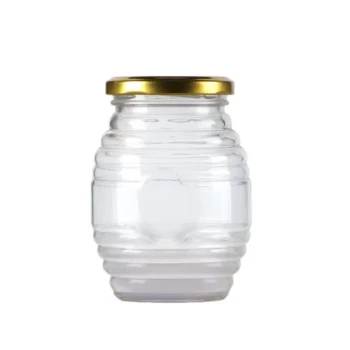
To ensure raw honey maintains its quality indefinitely, store it in a tightly sealed container—preferably glass—kept in a cool, dark location such as a pantry or cupboard. By maintaining a consistent room temperature and strictly preventing moisture from entering the jar, you protect the honey’s natural enzymes and flavor profile from degradation.
The Core Principle: Raw honey is a stable biological product that effectively never expires if properly isolated from the environment. The key to this longevity is an airtight seal that prevents moisture absorption, which is the primary catalyst for fermentation and spoilage.
The Critical Role of the Container
To preserve raw honey for the long term, the vessel you choose is just as important as where you put it.
Selecting the Right Material
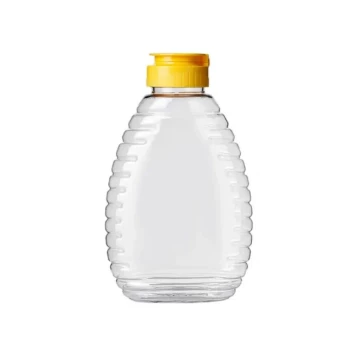
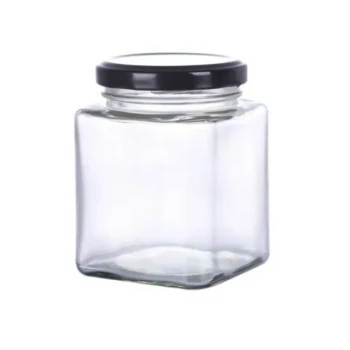
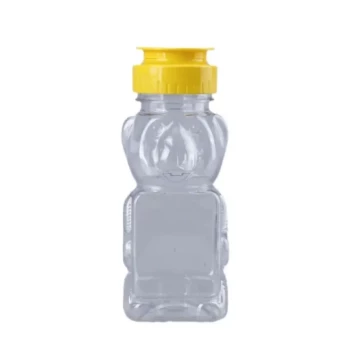
Glass is the superior choice for long-term storage. It is inert, meaning it will not impart any foreign flavors into the honey over time. Food-grade plastic is an acceptable alternative, but glass ensures the purest preservation of flavor.
The Necessity of an Airtight Seal
The container must be tightly sealed at all times when not in use. Raw honey is hygroscopic, meaning it naturally attracts and absorbs moisture from the air. If the lid is loose, the honey will pull in humidity, eventually leading to fermentation.
UV Protection
Light is a silent enemy of raw honey. To protect the honey from UV rays, which can degrade its quality, use opaque containers or colored glass. If clear glass is used, it is imperative to keep it inside a dark enclosure.
Controlling the Environment
Once packaged, the external conditions of your storage area dictate the chemical stability of the honey.
Ideal Temperature Range
Store your honey at a consistent room temperature. The optimal range lies between 50°F and 75°F (10°C to 24°C). Keeping honey within this window is critical for preserving its natural enzymes and high-intensity aroma.
Avoiding Temperature Extremes
High temperatures can cause non-enzymatic browning and may trigger fermentation. Conversely, while cooler temperatures are generally safe, fluctuations can accelerate crystallization. Consistency is key; avoid storing honey near ovens, stoves, or sunlit windows where temperatures spike and drop.
Preventing Light Damage
Direct sunlight does more than heat the jar; the UV exposure destroys the biological properties that make raw honey unique. Always choose a dark, cool location like a pantry or a kitchen cupboard away from direct light sources.
Operational Hygiene
The longevity of your honey is often compromised during the actual act of using it.
Moisture Contamination
Never allow water to enter the jar. Even a small amount of water introduced via a wet spoon can raise the moisture content enough to allow yeast to grow, leading to spoilage.
Utensil Discipline
Always use a clean, thoroughly dry utensil to scoop honey. Cross-contamination from food crumbs or liquid residue is the fastest way to ruin an otherwise shelf-stable jar.
Understanding the Trade-offs
While raw honey is robust, it is a sensitive biological product. Understanding its natural reactions helps you distinguish between spoilage and natural changes.
Crystallization is Natural
You may notice your honey becoming cloudy or solid over time. This is crystallization, not spoilage. It is a natural process for raw honey, though storing it at consistent room temperatures (above 50°F) helps slow this process down.
Heat Sensitivity vs. Raw Status
To reverse crystallization, one might be tempted to heat the honey. However, raw honey is heat-sensitive. Excessive heat destroys beneficial enzymes and alters the flavor. Prevention via proper storage is far better than attempting to fix the texture later.
Making the Right Choice for Your Goal
Proper storage depends on how quickly you plan to consume your supply.
- If your primary focus is indefinite preservation: Use a sealed, opaque glass jar stored in the darkest, coolest part of your pantry (approx 50°F-60°F).
- If your primary focus is daily accessibility: Keep a smaller amount in a sealed container on the counter, but ensure it is strictly out of direct sunlight and away from the stove.
Ultimately, if you keep the lid tight and the moisture out, your raw honey will remain safe and edible forever.
Summary Table:
| Storage Factor | Ideal Condition | Reason for Importance |
|---|---|---|
| Container Material | Glass (preferred) or Food-grade plastic | Inert material prevents flavor contamination. |
| Seal Type | Airtight / Hermetic | Prevents moisture absorption and fermentation. |
| Temperature | 50°F to 75°F (10°C to 24°C) | Protects enzymes and slows crystallization. |
| Light Exposure | Dark pantry or Opaque glass | Prevents UV degradation of biological properties. |
| Hygiene | Clean, bone-dry utensils | Prevents cross-contamination and spoilage. |
Elevate Your Beekeeping Operation with HONESTBEE
Are you a commercial apiary or a distributor looking to scale your honey production and storage capabilities? HONESTBEE is your strategic partner in the beekeeping industry. We provide a comprehensive wholesale catalog designed to meet the rigorous demands of professional honey production:
- Industrial Machinery: Advanced hive-making and honey-filling machines for high-volume efficiency.
- Premium Equipment: A full spectrum of professional-grade beekeeping tools and hardware.
- Essential Consumables: Every item needed to keep your colonies thriving and your harvest pure.
- Cultural Merchandise: Unique honey-themed products to expand your brand's reach.
From the hive to the final jar, ensure your honey meets the highest standards of quality. Contact HONESTBEE today to discover how our wholesale solutions and specialized equipment can grow your business.
Related Products
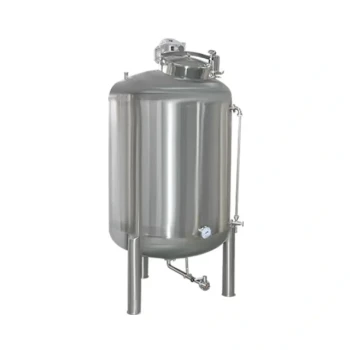
- Stainless Steel Honey Storage Tank with Lid for Honey
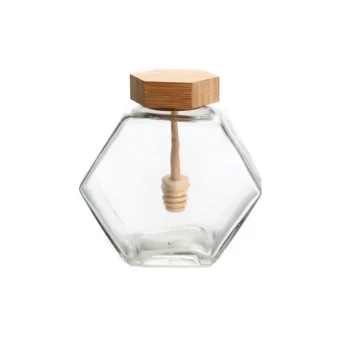
- Hexagonal Glass Honey Jar with Wooden Lid Integrated Dipper Elegant Functional Storage
- Stainless Steel Honey Storage and Settling Tank with Double Strainer
- Professional Honey Storage Tank with Agitation System
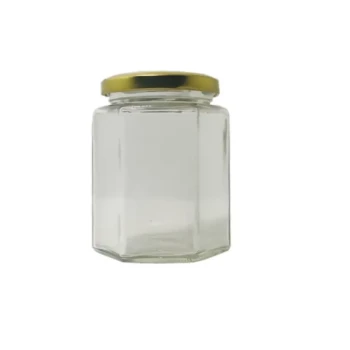
- Hexagonal Glass Honey Jars with Metal Lug Caps Elegant Versatile Packaging
People Also Ask
- What economic role do honey storage tanks play? Boost Your Revenue Through Strategic Inventory Management
- What roles do industrial honey storage tanks and filtration meshes play in processing? Ensure Purity & Consistency
- What is the purpose of a honey storage tank? Streamline Your Honey Processing for Quality & Efficiency
- What are honey storage tanks used for? Essential Features for Quality Preservation and Profit
- How do large honey storage tanks and gravity fall filling systems improve honey packaging efficiency and safety?