Yes, using a queen cage with large or established colonies is entirely possible. While the tool remains the same regardless of hive size, the biological dynamics of a populous colony require a more calculated approach. You must account for the colony's specific temperament and sheer numbers to ensure they accept the new matriarch rather than viewing her as an intruder.
The Core Takeaway While queen cages work in hives of all sizes, large and established colonies often display stronger defensive behaviors. Success relies on a gradual introduction process to allow pheromone acclimation, preventing the workforce from overwhelming the new queen.
The Dynamics of Large Colonies
Assessing Colony Temperament
Established colonies have developed a rigid social structure and a distinct "personality." Unlike a small nucleus colony or a package of bees, a large hive possesses a significant population of older guard bees.
These older bees are naturally more suspicious of foreign pheromones. You must gauge the colony's aggression level before attempting an introduction.
The Risk of Overwhelming Numbers
The primary challenge with a large colony is the volume of bees available to reject the queen. In a small hive, a new queen might face minor resistance.
In a populous hive, a sudden release can result in the bees physically overwhelming the new queen. The queen cage acts as a critical safety barrier during this initial period of friction.
Strategic Introduction
The Necessity of Gradual Release
To mitigate the risks associated with large populations, you cannot rush the release. The primary goal of the cage in this context is to slow down the interaction.
This delay allows the new queen's pheromones to permeate the hive slowly. As the scent spreads, the colony's chemical signature begins to align with hers, reducing hostility.
Monitoring Interaction
When using a cage in a large colony, observation is key. You are looking for signs of acceptance, such as bees feeding the queen through the screen.
If the bees are biting the wire or clamping onto the cage aggressively, the colony is not ready. In large hives, this acclimation period often takes longer than in smaller splits.
Understanding the Trade-offs
Time vs. Safety
The main trade-off when working with established colonies is time. You must be willing to leave the queen caged longer than you might in a smaller operation.
Rushing the process to save a day or two significantly increases the risk of the queen being killed. Patience is the only way to neutralize the defensive instincts of a large workforce.
The "Balling" Hazard
If the cage is opened too early, large colonies are prone to "balling" the queen. This occurs when workers cluster tightly around her to overheat or sting her.
The cage is your only defense against this behavior. It forces the colony to interact with her safely until the aggressive impulse subsides.
Ensuring a Successful Acceptance
If your primary focus is a Highly Defensive Colony:
- Leave the candy cap or cork in place for an extra 24-48 hours to ensure the colony is thoroughly habituated to the new queen's scent before release mechanics begin.
If your primary focus is a Standard Large Colony:
- Monitor the cage interaction closely; only expose the candy release mechanism once you see workers behaving calmly and feeding the queen through the mesh.
The biological principles of introduction are constant, but the margin for error shrinks as the colony grows larger.
Summary Table:
| Aspect | Small/Nuc Colonies | Large/Established Colonies |
|---|---|---|
| Colony Temperament | Generally more accepting | Highly defensive with guard bees |
| Pheromone Spread | Rapidly permeates the hive | Requires longer acclimation time |
| Risk Level | Lower risk of rejection | High risk of queen "balling" |
| Introduction Speed | Standard release (1-3 days) | Gradual release recommended (3-5+ days) |
| Behaviors to Watch | Calm movement on cage | Biting wire or aggressive clustering |
Scaling Your Apiary? Secure Your Colony's Future with HONESTBEE
Transitioning queens in large, established colonies requires precision and the right tools. At HONESTBEE, we specialize in supporting commercial apiaries and distributors with high-quality beekeeping equipment designed for professional success. From durable queen cages and specialized hive hardware to honey-filling machines and industrial-scale tools, our comprehensive wholesale offering ensures your operation runs smoothly.
Why partner with HONESTBEE?
- Professional Grade: Reliable machinery and consumables for large-scale operations.
- Diverse Portfolio: Everything from specialized hive-making tools to honey-themed cultural merchandise.
- Expert Support: We understand the needs of commercial beekeepers and supply the tools to help you scale.
Don't leave your queen's safety to chance—equip your apiary with the best. Contact us today to explore our wholesale solutions!
Related Products
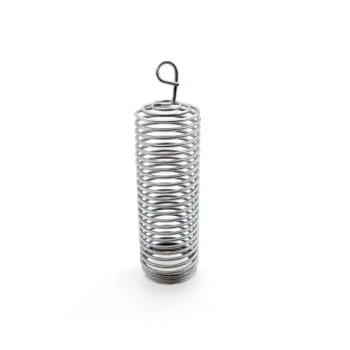
- Durable Galvanized Steel Spring Queen Bee Cage
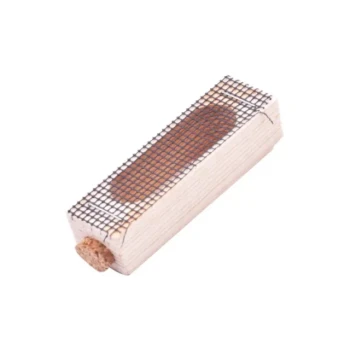
- Classic Wooden and Mesh California Queen Cage
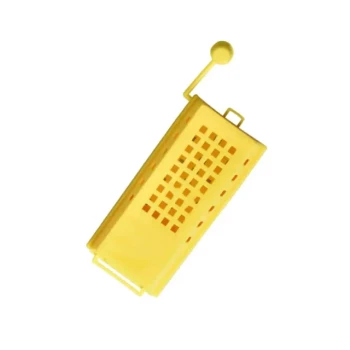
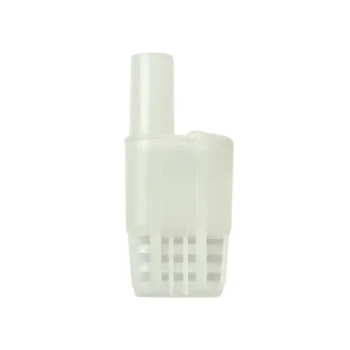
- Professional Queen Bee Introduction and Transport Cage
- Professional Queen Cage with Sliding Gate and Feeder Plug
- Professional Multi-Compartment Queen Cage with Sliding Lid
People Also Ask
- Why are specialized queen bee cages used for the banking of mated queen bees? Maximize Commercial Apiary Storage Efficiency
- What is the mechanism of action for using temporary queen bee cages? Master Successful Queen Introduction
- What is the step-by-step process for installing a queen bee's cage onto a frame? Ensure Hive Acceptance Safely
- What is the optimal placement for a queen bee cage? Essential Strategies for Successful Re-queening
- What are the advantages and disadvantages of introducing a queen bee by embedding the cage? Boost Your Queen Acceptance