The primary advantage of movable frame hives for Varroa mite diagnostics is the ability to easily extract specific honeycombs for inspection without dismantling or damaging the overall hive structure. This design enables the non-destructive collection of adult bee samples and the precise removal of brood areas for laboratory analysis, which are essential prerequisites for calculating accurate parasite infestation rates.
The movable frame design transforms disease monitoring from a destructive ordeal into a routine management practice, providing the accessibility required to obtain scientifically valid samples for Varroa assessment.
The Mechanics of Non-Destructive Inspection
Targeted Access to Biological Samples
The fundamental requirement for a valid Varroa survey is the ability to access specific parts of the colony. Movable frame hives allow technicians to isolate and extract the specific frames needed for sampling.
You can select frames containing open brood or specific populations of adult bees. This selectivity is crucial because Varroa mites inhabit specific zones within the hive depending on the colony's reproductive cycle.
Preservation of Hive Structure
Unlike traditional log or trunk hives, movable frame systems (such as Langstroth or Zander) permit internal access without destroying the bees' home.
The colony structure remains intact during the survey. This ensures that the diagnostic process does not set back the colony's development or honey production potential.
The Critical Role of "Bee Space"
The effectiveness of these hives relies on a precise "bee space" design, typically around 0.375 inches.
This gap prevents bees from sealing the internal components with propolis or wax. Because the frames remain unsealed, they can be removed individually for thorough inspection with minimal physical force.
Facilitating Accurate Laboratory Analysis
Collection of Adult Bees
To determine the phoretic mite load (mites riding on adult bees), samples must be taken directly from the frames.
Movable frames allow the technician to lift a comb and shake a precise number of bees into a collection vessel. This is done without harming the queen or the remaining population.
Brood Area Assessment
Accurate Varroa diagnostics often require examining the brood, where mites reproduce.
The movable design facilitates the removal of specific brood areas for dissection or laboratory analysis. This allows for a direct count of mites inside capped cells, providing a "true" infestation rate that external inspections might miss.
Understanding the Trade-offs
Disturbance Despite Design
While movable frames prevent structural destruction, the act of opening a hive and pulling frames still disrupts colony homeostasis.
Frequent inspections can alter hive temperature and temporarily stress the bees. It is vital to perform surveys efficiently to minimize the window of disturbance.
Risk of Mechanical Injury
The mobility of the frames introduces the risk of "rolling" or crushing bees if the technician is not skilled.
Careless manipulation during a diagnostic survey can inadvertently kill the queen or damage brood. The hardware enables inspection, but it demands a higher level of operator skill than static hive systems.
Making the Right Choice for Your Goal
If your primary focus is precise data collection: The movable frame hive is non-negotiable, as it is the only design that permits the standardized extraction of brood and bee samples required for statistical accuracy.
If your primary focus is sustainable colony management: Utilization of these hives allows for repeated health monitoring and early intervention without imposing the reconstruction costs associated with destructive harvesting methods.
Movable frame architecture is the hardware foundation that bridges the gap between simple bee housing and scientific disease management.
Summary Table:
| Feature | Advantage for Varroa Diagnostic Surveys |
|---|---|
| Frame Mobility | Allows targeted extraction of adult bees and brood without destroying hive structure. |
| Bee Space Design | Prevents propolis sealing, ensuring frames remain removable for frequent inspections. |
| Sample Precision | Enables standardized collection of specific bee populations for accurate mite load calculation. |
| Colony Impact | Minimizes structural damage and preserves colony homeostasis during health monitoring. |
Elevate Your Beekeeping Operation with HONESTBEE
At HONESTBEE, we specialize in empowering commercial apiaries and distributors with the high-precision tools required for modern disease management. From industry-standard Langstroth and Zander hives to advanced honey-filling machines and specialized hive-making hardware, our comprehensive wholesale catalog is designed to optimize your efficiency and yield.
Whether you are scaling a commercial apiary or supplying the next generation of beekeepers, we provide the full spectrum of essential consumables and machinery. Contact us today to discover how our premium beekeeping equipment and honey-themed merchandise can add value to your business.
References
- Desalegn Begna. Occurrences and Distributions of Honeybee (Apis mellifera Jemenetica)Varroa Mite (Varroa destructor) in Tigray Region, Ethiopia. DOI: 10.4172/2332-2608.1000126
This article is also based on technical information from HonestBee Knowledge Base .
Related Products
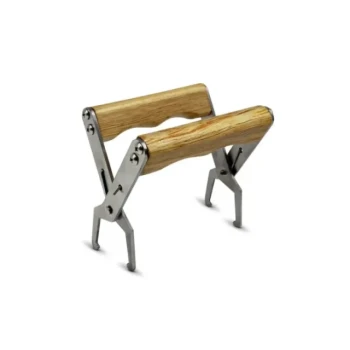
- Professional Grade Foldable Beehive Handles
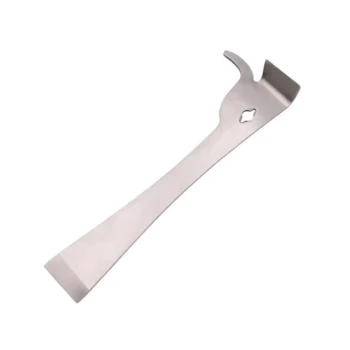
- Professional Multi-Function Stainless Steel Hive Tool
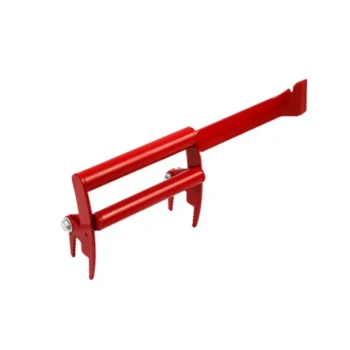
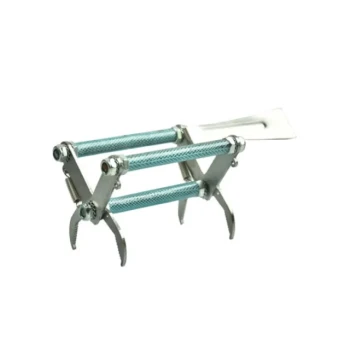
- Heavy-Duty Lever-Action Frame Grip with Hive Tool
- Wooden Bee Hive Frames for Beekeeping and Wholesale
- Plastic Bee Frame Beekeeping Hive Frames for Wholesale
People Also Ask
- How do bee hive handles facilitate the evaluation of food stores? Use the Lift Test for Winter Survival
- How do the geometry and dimensions of hive handles influence operational safety and control? Expert Design Insights
- What is a bee hive tool? Discover Why It’s the Most Essential Hand Tool for Every Beekeeper
- What are the common sizes and features of bee hive tools? Choose the Right Tools for Your Apiary
- What is the role of professional hive tools in routine apiary maintenance? Expert Tips for Hive Health and Longevity