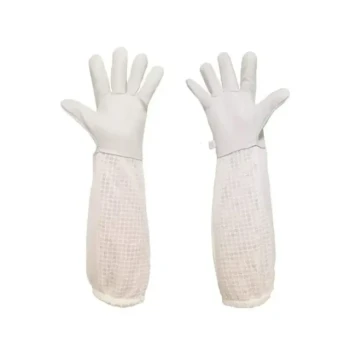
The primary categories of protective beekeeping clothing consist of full body suits, jackets with attached veils, standalone observation veils, and protective gloves made from leather or nitrile. While the specific combination of gear is a matter of personal preference, these four elements constitute the standard defensive barrier between the beekeeper and the colony.
Core Insight: The "best" protective gear is not always the item with the most coverage; it is the gear that balances physical protection with heat management and mobility. While beginners often start with full suits for peace of mind, experienced apiarists frequently transition to jackets as they become more comfortable reading bee behavior.
The Spectrum of Body Protection
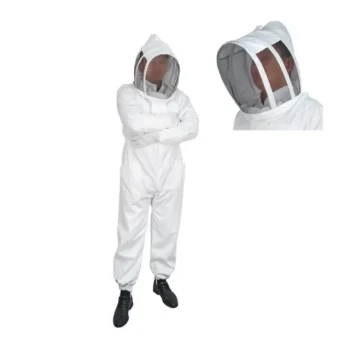
Full Suits
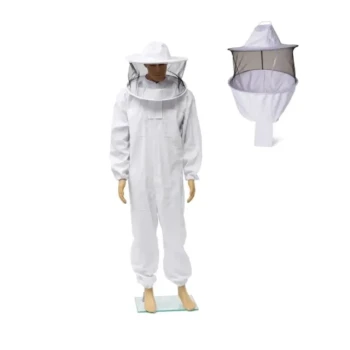
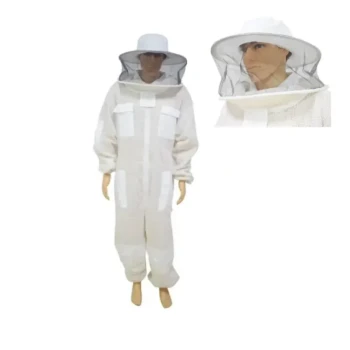
For those prioritizing maximum security, the full suit is the standard. It offers total body protection from head to toe, minimizing the risk of stings anywhere on the body.
This is the most common starting point for new beekeepers who are still learning to handle frames calmly.
Beekeeping Jackets
Jackets provide protection for the head, neck, and upper body, but leave the legs exposed.
These are generally cooler and less cumbersome than full suits. They are ideal for quick inspections or for beekeepers who find full suits too restricting or hot during summer months.
The Experience Transition
There is a notable trend in gear selection based on experience. New beekeepers typically purchase full suits to ensure total safety.
However, within the first year or two, many shift toward using jackets. As confidence grows, the trade-off shifts from needing maximum armor to desiring greater ease of movement.
Head and Hand Protection
Veil Variations
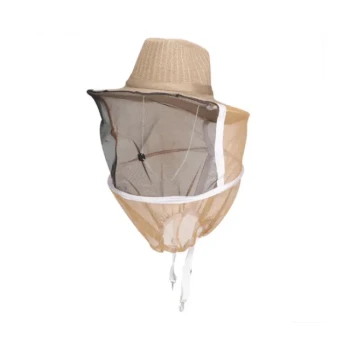
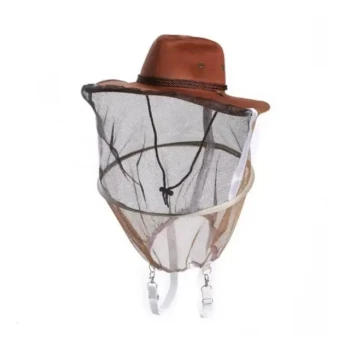
The veil is the non-negotiable piece of equipment; at the very least, a beekeeper must protect their eyes and face.
Hood veils are popular for their comfort; they are lightweight and fold easily for storage. Square veils utilize a heavier mesh and usually require a separate helmet or hat. Round veils typically include a built-in hat with an adjustable band to fit various head sizes.
Gloves
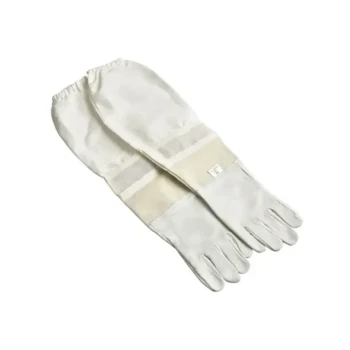
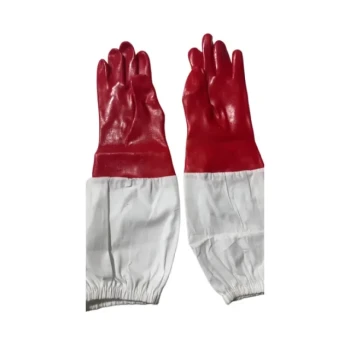
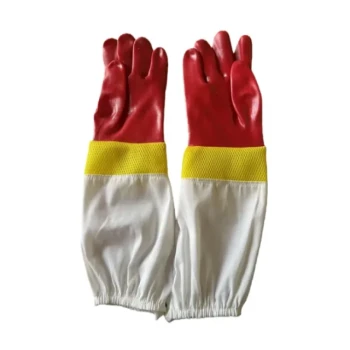
Hand protection usually comes in the form of leather or nitrile gloves.
Leather offers durability and sting resistance, while nitrile can offer better tactile sensitivity. The choice depends on whether you prioritize dexterity for manipulating frames or thickness for sting prevention.
Understanding the Trade-offs
The Importance of Fit
Protective clothing should never be tight. A loose fit is essential for two reasons: it creates an air gap that prevents stinger penetration to the skin, and it allows for better airflow.
It is strongly recommended to choose a size larger than your normal clothing size. Tight gear is not only hotter but also compromises your safety.
The Critical Role of Under-Layers
If you choose a jacket instead of a full suit, your regular pants become your primary lower-body defense.
You should wear thick denim jeans or canvas painter's pants. Avoid low-rise cuts; ensure your shirt covers your lower back when bending over. Never wear shorts, tank tops, or sandals in the apiary.
Vulnerability Points
Regardless of the suit type, bees are expert explorers. You must secure the transition points where clothing ends.
Look for gear with tight elastic around the wrists and ankles. Furthermore, always tuck your pant legs into your socks or use boot bands to cinch the openings, preventing bees from crawling up your legs.
Making the Right Choice for Your Goal
Selecting the right gear depends on your comfort level with bees and the specific task at hand.
- If your primary focus is maximum safety and confidence: Start with a full suit and leather gloves to eliminate the fear of stings while you learn the craft.
- If your primary focus is mobility and heat management: Opt for a high-quality jacket with a hood veil, paired with thick canvas pants and boots.
- If your primary focus is durability and longevity: Look for gear with double-stitched seams and heavy-duty pockets, ensuring the clothing can withstand machine washing and years of use.
The best protective clothing is the set that makes you feel safe enough to work calmly, as your calmness directly reduces the agitation of the hive.
Summary Table:
| Gear Type | Coverage Level | Best For | Key Advantage |
|---|---|---|---|
| Full Body Suit | Total (Head to Toe) | Beginners & Aggressive Hives | Maximum security and peace of mind. |
| Beekeeping Jacket | Upper Body & Head | Experienced Apiarists | Superior heat management and mobility. |
| Veils (Hood/Round) | Head & Neck | All Beekeepers | Essential face protection; non-negotiable. |
| Gloves (Leather/Nitrile) | Hands & Wrists | All Beekeepers | Protects against stings while handling frames. |
Elevate Your Beekeeping Operation with HONESTBEE
As a dedicated partner to commercial apiaries and global distributors, HONESTBEE understands that professional-grade protection is the foundation of a successful harvest. We provide a comprehensive wholesale catalog featuring high-durability protective suits, specialized beekeeping machinery—including hive-making and honey-filling systems—and a full spectrum of industry consumables.
Whether you are scaling a commercial outfit or stocking a distribution network, our premium hardware and honey-themed cultural merchandise deliver the quality your business deserves.
Ready to secure your bulk supply? Contact us today to discuss our wholesale offerings and let us help you grow your apiary business with precision and safety.
Related Products
- Premium Cotton Beekeeper Suit with Reinforced Fencing Veil
- White Cotton Beekeeping Jacket and Veil for Bee Keepers
- Beekeeping Jacket with Hood and Veil for Beekeepers
- Beekeeper Cowboy Hat and Veil for Beekeeping
- Premium Cowboy Beekeeper Hat with Visibility Veil Outdoor Professional Beekeeping Protective Gear
People Also Ask
- What material and design specifications are recommended for a high-quality beekeeper suit? Top Gear Selection Guide
- How to Pre-treat Propolis Stains on Beekeeping Suits? Master Advanced Fabric Care and Soil Removal
- What features should be considered for sting protection in a beekeeping suit? Ensure Total Safety and Comfort
- What are the differences between full suits and jackets with veils in beekeeping? Choose Your Best Protection
- What features should be looked for in a beekeeping suit for maximum comfort? Prioritize Ventilation and Fit