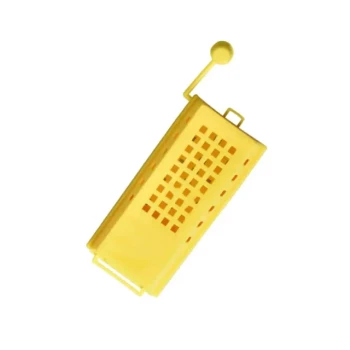
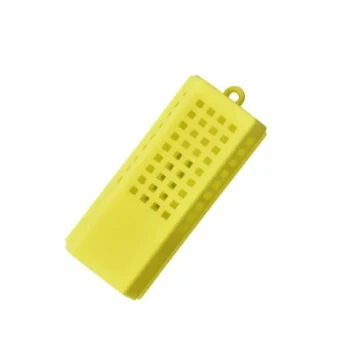
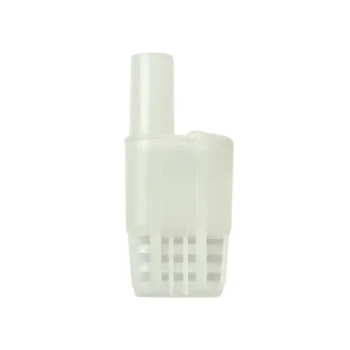
Specialized experimental cages for honeybees rely on strict design parameters to ensure the validity of in vitro research data. These units require a standardized internal volume, typically 1.5 L, combined with a porous ventilation structure to maintain essential air exchange. Crucially, they must feature integrated feeding ports positioned on the top or sides to accommodate centrifugal tube feeders for precise nutrient delivery.
The core objective of these cage designs is to eliminate environmental stress as a variable while allowing for the exact measurement of dietary intake.
Critical Environmental Controls
The physical environment within the cage is the first line of defense against compromised data. If the bees are stressed by their surroundings, physiological results becomes unreliable.
Volumetric Standards
To prevent stress caused by overcrowding, the cage must offer sufficient internal space. A capacity of 1.5 L is the standard requirement for these experimental setups.
Ventilation Architecture
A porous design is essential for the cage structure. This ensures adequate air exchange occurs continuously.
Stress Mitigation
Proper ventilation and adequate volume work together to prevent environmental stress. This isolation ensures that observed changes in the bees are due to the experimental variables, not poor housing conditions.
Precision Feeding Mechanisms
For nutritional toxicology and physiological research, you cannot simply provide food; you must measure exactly what is consumed.
Port Positioning
Feeding ports should be strategically located on the top or sides of the cage. This placement ensures accessibility for the bees while maintaining the structural integrity of the unit.
Feeder Compatibility
The ports must be designed to accommodate centrifugal tube feeders. This specific compatibility is required to enable the quantitative supply of nutrients.
Multi-State Dietary Support
The system must be versatile enough to deliver various dietary forms. This includes liquids like syrup and water, as well as solid nutrition such as pollen patties.
Understanding the Trade-offs
When selecting or designing these cages, you are balancing biological needs with data rigour.
Complexity vs. Precision
Standard containment boxes are insufficient for advanced research. While specialized cages with integrated ports and specific volumes are more complex to manufacture or source, they are non-negotiable for quantitative research. Without these features, it is impossible to conduct accurate nutritional toxicology studies.
Airflow vs. Desiccation
While the porous design is critical for ventilation, it requires a controlled laboratory environment. High airflow prevents stagnation but necessitates careful monitoring of ambient humidity to prevent the dietary syrup or pollen from drying out too quickly.
Making the Right Choice for Your Research
To select the appropriate cage configuration, identify the primary metric of your study.
- If your primary focus is Nutritional Toxicology: Prioritize cages with top or side ports compatible with centrifugal tubes to ensure precise measurement of syrup and pollen intake.
- If your primary focus is Physiological Stress Markers: Prioritize the 1.5 L volume and porous ventilation specifications to rule out overcrowding and poor air quality as confounding variables.
Standardizing your equipment is the first step toward reproducible results in honeybee research.
Summary Table:
| Feature | Technical Requirement | Research Benefit |
|---|---|---|
| Internal Volume | Standard 1.5 Liters | Prevents overcrowding and environmental stress |
| Ventilation | Porous, high-airflow design | Ensures essential air exchange for health |
| Feeding Ports | Top or side-mounted ports | Facilitates easy access and quantitative feeding |
| Feeder Type | Centrifugal tube compatibility | Allows precise measurement of nutrient intake |
| Dietary Versatility | Supports liquid & solid (syrup/pollen) | Enables diverse nutritional and toxicology studies |
Elevate Your Beekeeping Research and Operations with HONESTBEE
At HONESTBEE, we understand that precision is the foundation of successful beekeeping, whether in the lab or the field. As a premier provider for commercial apiaries and global distributors, we offer a comprehensive wholesale catalog designed to meet the rigorous demands of the modern bee industry.
How we add value to your business:
- Advanced Machinery: From high-precision honey-filling machines to specialized hive-making equipment.
- Professional Tools: A full spectrum of durable beekeeping hardware and essential consumables.
- Cultural Merchandise: Unique honey-themed products to diversify your retail offerings.
Whether you are scaling a commercial pollination operation or supplying the next generation of researchers, HONESTBEE delivers the quality and reliability you need.
Contact us today to explore our wholesale solutions and bulk pricing.
References
- Erkan Topal, Mustafa Kösoğlu. The Effect of Supplementary Feeding with Different Pollens in Autumn on Colony Development under Natural Environment and In Vitro Lifespan of Honey Bees. DOI: 10.3390/insects13070588
This article is also based on technical information from HonestBee Knowledge Base .
Related Products
- Langstroth Honey Bee Box Hive Boxes for Different Depths
- Assembled Wooden Bee Frames with Beeswax Foundation Ready to Use by HONESTBEE
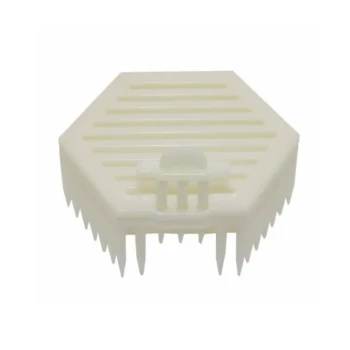
- Hexagonal Direct Comb Introduction Queen Bee Cage
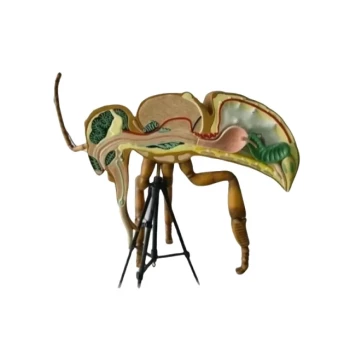
- HONESTBEE Anatomy Bee Model Detailed Anatomical Display for Education and Study
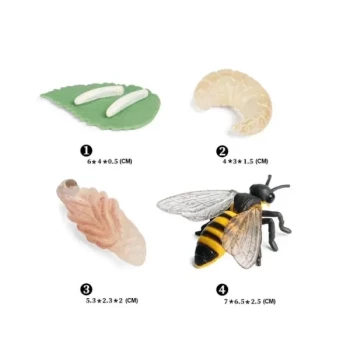
- Honey Bee Lifecycle Model: A Detailed Honeycomb Display of Bee Development
People Also Ask
- What role do standardized Langstroth boxes play in commercial apiary management and honey bee research? | HONESTBEE Guide
- What are the differences between the three standard depths of Langstroth boxes? Choose the Best Size for Your Apiary
- What are the primary advantages of using standardized Langstroth boxes? Scale Your Commercial Beekeeping Operation
- What are the typical uses for the different box sizes in a Langstroth hive? Master Hive Management & Efficiency
- What features of Langstroth hive boxes contribute to expandability and honey yield? Maximize Your Apiary Production