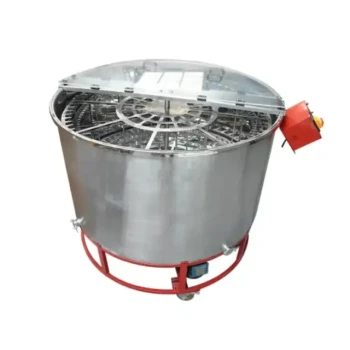
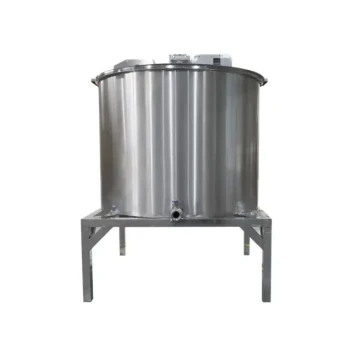
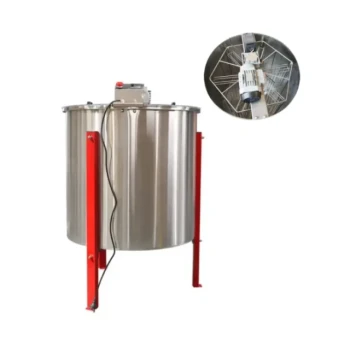
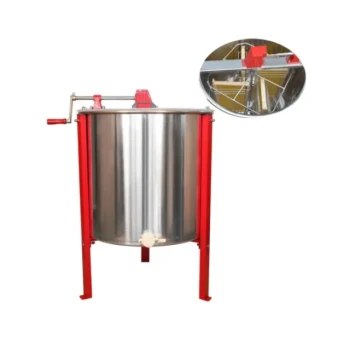
The four primary methods for extracting liquid honey from combs are floating, pressing, centrifuging, and using a honey plant. Regardless of the specific technique chosen, the process universally begins by removing the wax caps using an uncapping fork or knife to expose the honey cells.
Core Insight: The choice of extraction method dictates not only the speed of production but also the lifespan of your equipment. While methods like pressing destroy the wax structure, centrifugal extraction preserves the comb, allowing bees to refill it immediately.
Operational Principles of Extraction
To understand which method suits your operation, you must first understand the mechanics of how the honey is separated from the wax structure.
The Essential Prerequisite: Uncapping
Before any extraction machinery is engaged, the honeycomb must be prepared.
You must remove the wax caps that seal the honeycomb cells using an uncapping fork or knife. This step is non-negotiable, as it breaks the seal that holds the honey inside the comb.
Method 1: Centrifuging (The Extractor)
This is widely considered the standard for efficient beekeeping.
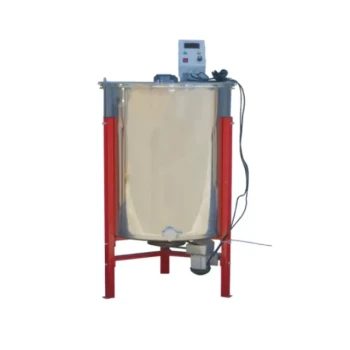
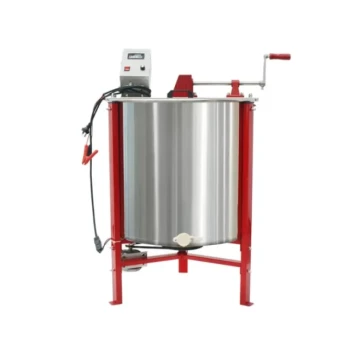
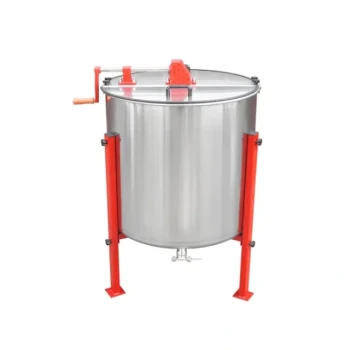
An extractor spins the frames rapidly, using centrifugal force to throw the honey out of the cells and onto the walls of the drum.
The primary advantage here is that the comb remains intact, allowing it to be returned to the hive for the bees to reuse.
Method 2: The Pressing Method
Pressing is a mechanical approach often associated with "crush and strain" techniques.
This method involves physically squeezing the comb in a honey press to force the liquid out.
While effective, it destroys the structural integrity of the comb, meaning the bees must rebuild the wax foundation from scratch.
Method 3: The Floating Method
This method relies on density differences between honey and wax.
While the primary reference does not detail the specific mechanics, floating typically involves breaking up the comb and allowing gravity to separate the heavier honey from the lighter wax particles over time.
Method 4: Using a Honey Plant
This refers to large-scale, often industrial processing.
A honey plant integrates the extraction process into a larger facility workflow, handling high volumes that manual pressing or small extractors cannot accommodate.
Critical Considerations and Trade-offs
Selecting a method is not just about getting honey out; it is about managing quality and resources.
Quality Control: Grading the Honey
Regardless of the mechanical method used, you must maintain strict quality separation.
First-grade honey must always be separated from second-grade honey during the process. Mixing grades can lower the overall quality and market value of your harvest.
Efficiency vs. Comb Preservation
There is a distinct trade-off between the simplicity of the equipment and the welfare of the colony.
Methods that crush the comb (like pressing) are mechanically simple but biologically expensive for the bees, who consume significant energy regenerating wax.
Conversely, centrifuging requires more complex equipment but saves the bees labor, resulting in higher future honey yields.
Making the Right Choice for Your Goal
The "best" method depends entirely on the scale of your harvest and your available equipment.
- If your primary focus is keeping the comb intact: Use a centrifugal extractor, as it spins the honey out without destroying the wax foundation.
- If your primary focus is low-cost equipment for foundationless combs: Use the pressing method, acknowledging that the comb will be destroyed in the process.
- If your primary focus is industrial-scale production: Utilize a honey plant to manage high volumes and streamline the workflow.
Successful extraction balances the efficiency of the harvest with the long-term health of the hive.
Summary Table:
| Extraction Method | Primary Tool | Comb Preserved? | Best For |
|---|---|---|---|
| Centrifuging | Centrifugal Extractor | Yes | Efficient, high-yield beekeeping |
| Pressing | Honey Press | No | Low-cost setup / Foundationless combs |
| Floating | Gravity / Heat tanks | No | Simple separation by density |
| Honey Plant | Industrial Machinery | Yes/No | Commercial-scale processing |
Maximize Your Honey Harvest with HONESTBEE Professional Equipment
Whether you are scaling a commercial apiary or supplying the next generation of beekeepers, HONESTBEE provides the industrial-grade tools you need to succeed. From high-capacity centrifugal extractors and honey-filling machines to specialized hive-making equipment, we offer a comprehensive wholesale portfolio designed for distributors and large-scale operators.
Why partner with HONESTBEE?
- Full Spectrum Supply: Everything from hardware to essential industry consumables.
- Industrial Efficiency: Equipment engineered to preserve comb integrity and maximize output.
- Cultural Merchandise: Unique honey-themed products to diversify your retail offering.
Ready to upgrade your extraction workflow? Contact us today to explore our wholesale catalog!
Related Products
- HONESTBEE 72 Frame Industrial Electric Honey Extractor for Beekeeping
- Commercial Electric 12 Frame Honey Extractor Spinner Motorized Honey Extractor
- 32 Frame Commercial Electric Honey Extractor for Beekeeping and Honey Production
- HONESTBEE 3-Frame Manual Acrylic Honey Extractor
- HONESTBEE 6 Frame Self Reversing Electric Honey Extractor for Beekeeping
People Also Ask
- What is the importance of balancing honeycomb frames within a honey extractor? Ensure Stability and Protect Machinery
- How is honey separated from the frames after they are uncapped? Efficient Extraction Methods for High Yields
- What are the main benefits of using a honey extractor? Maximize Yields and Protect Your Honeycomb
- What are the recommended methods for removing honey from the honeycomb? Top Extraction Techniques for Maximum Efficiency
- How do manual honey extractors compare to electric honey extractors? Choosing the Right Tool for Your Apiary Growth