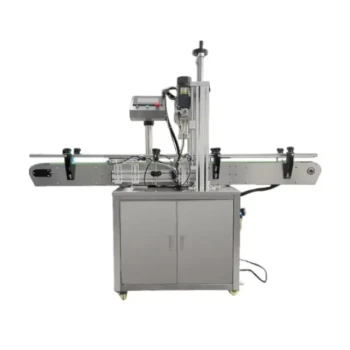
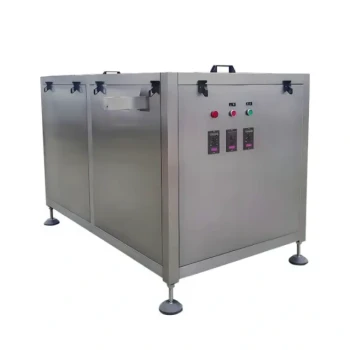
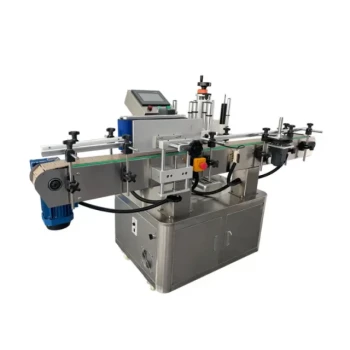
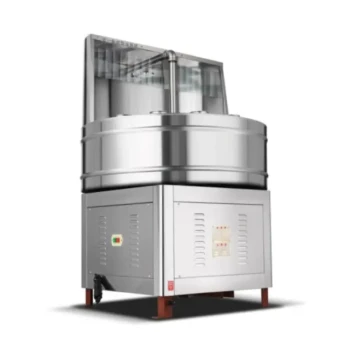
The defining feature of an overflow bottle filling machine is its specialized "reverse feeding" system designed to maximize efficiency. Unlike standard fillers that dispense a fixed volume, this machine fills containers to a specific level, captures any excess liquid, and actively transports it back to the supply hopper.
By creating a closed-loop system, overflow fillers solve the dual challenge of material waste and cosmetic inconsistency, ensuring every drop of product is utilized effectively.
Core Operational Mechanics
The Reverse Feeding Process
The machine operates on a continuous recirculation principle. As the nozzle dispenses liquid into the container, it intentionally allows the fluid to reach a precise fill height.
Once the liquid exceeds this target level, the excess is not spilled. Instead, it is immediately collected by the system.
This captured liquid is then pumped back into the main hopper. This cycle ensures that the filling mechanism always has a supply of product available for the next bottle.
Elimination of Material Waste
The primary advantage of this architecture is the prevention of product loss. In traditional systems, overfilling often results in spilled product that must be cleaned up and discarded.
The overflow machine turns potential waste into reusable inventory. This is particularly valuable for high-cost liquids, such as honey, where every ounce affects the bottom line.
Quality and Versatility Features
Managing Foam and Splashing
The design of the overflow tube plays a critical role in maintaining product quality. It is engineered to stabilize the flow of liquid as it enters the bottle.
This mechanism specifically prevents foaming, which can occur with agitated liquids. It also eliminates splashing, ensuring the exterior of the bottle remains clean for the labeling phase.
Handling Irregular Containers
This filling method is highly effective for containers that vary in shape or volume. Because the machine fills to a visual level rather than a specific volume, it creates a consistent shelf appearance.
Even if the internal volume of a bottle varies slightly due to glass or plastic manufacturing tolerances, the fill line remains visually identical across all products.
Operational Considerations
Maintenance of the Recirculation Loop
While the system maintains a clean external environment by capturing spills, the internal mechanics are more complex. The return lines and pumps handle the liquid multiple times.
This means the system requires robust cleaning protocols. Operators must ensure the return lines are fully sanitized to prevent cross-contamination between batches.
Pump Dependencies
The system relies heavily on pump performance to move liquid to the nozzle and return it to the hopper. As seen in honey applications, the pump must be capable of handling the specific viscosity of your product without stalling.
Making the Right Choice for Your Goal
To determine if an overflow filler fits your specific production needs, consider your top priorities:
- If your primary focus is Cost Efficiency: Leverage the reverse feeding capability to recycle overfills and eliminate expensive product waste.
- If your primary focus is Visual Consistency: Utilize the overflow mechanism to ensure identical fill lines, especially if you use glass or irregular bottles where internal volumes fluctuate.
This technology offers a smart balance between resource conservation and cosmetic precision.
Summary Table:
| Feature | Key Benefit | Technical Advantage |
|---|---|---|
| Reverse Feeding | Zero Product Waste | Excess liquid is captured and recycled back to the supply hopper. |
| Level Filling | Visual Consistency | Fills to a precise height regardless of internal bottle volume variances. |
| Anti-Foam Design | Clean Production | Specialized nozzles stabilize flow to prevent splashing and foam buildup. |
| Closed-Loop System | High Efficiency | Continuous recirculation maximizes the utilization of expensive liquids. |
Elevate Your Bottling Efficiency with HONESTBEE
Are you looking to eliminate product waste and achieve a premium, consistent look on your retail shelves? HONESTBEE specializes in providing commercial apiaries and distributors with high-performance beekeeping tools and advanced machinery. Our overflow filling solutions are engineered specifically for high-viscosity products like honey, ensuring your bottom line is protected through innovative liquid recycling.
Whether you need specialized honey-filling machines or a full spectrum of beekeeping hardware, our team is ready to support your growth. Contact us today to optimize your production line!
Related Products
- Pneumatic Double Nozzle Honey Filling Bottling Packaging Machine
- Economy Small Honey Filling Machine Honey Bottle Filler Packaging Machine
- Pneumatic Paste Filling Machine Bottling Packaging Machine Single Nozzle
- Automatic Honey Filling and Filtering Machine for Beekeeping Bottle Filling
- Semi Automatic Small Honey Bottle Filling Machine Honey Filler
People Also Ask
- What is the purpose of the nozzle design in a honey filling machine? Optimize Your Honey Packaging Precision
- What role does the nozzle design play in honey filling machines? Maximize Accuracy & Minimize Waste
- What types of filling and packing machines are available for different scales of honey production? Expert Solutions
- What are the primary challenges associated with the honey bottle filling process? Solve Viscosity and Accuracy Issues
- In what ways do industrial-grade honey filling and packaging machines enhance the commercial competitiveness? - HONESTBEE