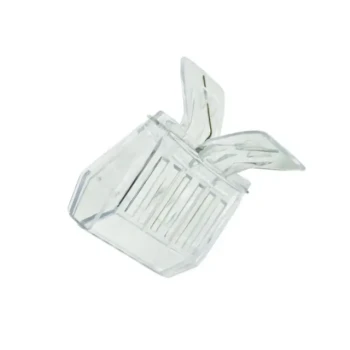
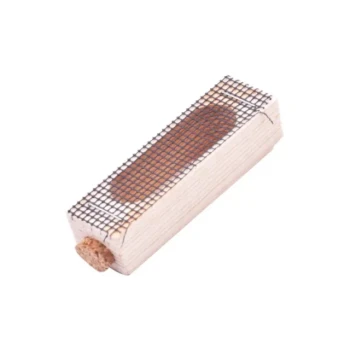
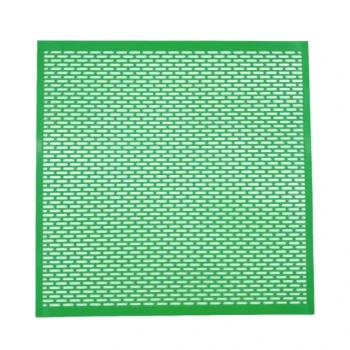
Marking a queen bee serves as a critical visual aid that dramatically simplifies the complex task of colony management. It primarily functions to make the queen instantly recognizable among thousands of worker bees, significantly reducing the time required to locate her and minimizing the disturbance caused to the colony during inspections. Beyond visibility, it acts as a permanent record of the queen's age and origin.
Core Insight: While the immediate benefit of marking is visibility, its deeper value lies in data retention. A marked queen allows a beekeeper to instantly diagnose colony events—such as unexpected swarming or supersedure—based solely on the presence or absence of that specific mark.
Enhancing Hive Management and Efficiency
Reducing Inspection Time
The most immediate practical benefit of marking a queen is speed. Finding a single insect among tens of thousands can be time-consuming; a bright dot of paint makes her stand out instantly against the comb.
Minimizing Colony Disturbance
Because the queen is found faster, the hive remains open for a shorter period. This reduces temperature fluctuations and stress on the bees, which is vital for maintaining colony health.
Facilitating Resource Transfer
Beekeepers often need to move frames of brood or honey between hives to balance resources. A marked queen ensures you can quickly verify she is not on a frame before moving it, preventing the accidental loss of a queen to a different colony.
Monitoring Colony Health and Genetics
Instant Verification of Supersedure
Finding an unmarked queen in a hive that previously hosted a marked one provides immediate, critical information. It confirms that the original queen has been replaced (superseded) or the colony has swarmed and requeened itself.
Tracking Queen Age and Quality
By using specific colors associated with different years, beekeepers can instantly determine a queen's age. This is essential because younger queens are generally more prolific layers and produce stronger pheromones, which helps maintain colony cohesion.
Identifying Genetic Origin
Marking confirms that the queen currently in the hive is the specific genetic stock introduced by the beekeeper. If an unmarked queen is found, the beekeeper knows the current genetics are the result of open mating or an unknown supersedure, rather than their selected breeder queen.
Swarm Control
During swarm control procedures, identifying the queen is often a mandatory step. A marked thorax makes her significantly easier to spot when the colony is dense and potentially agitated, allowing for faster and safer intervention.
Understanding the Risks and Trade-offs
Potential for Hive Rejection
Marking is not without risk; if paint is applied incorrectly—specifically if it touches the eyes, antennae, or wings—the colony may perceive the queen as damaged. This can lead the workers to reject and kill her (balling).
Handling Risks
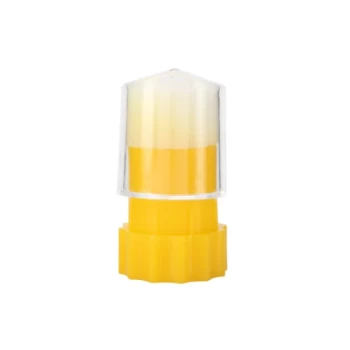
The process of capturing and marking requires manual dexterity or the use of specific tools like "piston" plungers. Improper handling during this process can result in physical injury to the queen, such as crushed legs or a damaged abdomen.
Making the Right Choice for Your Goal
To determine if you should incorporate marking into your routine, consider your primary objectives:
- If your primary focus is inspection speed: Marking is highly recommended as it drastically cuts down the time spent searching for the queen, keeping inspections short and non-invasive.
- If your primary focus is breeding and genetics: Marking is mandatory to ensure you are accurately tracking the lineage, age, and replacement history of your stock.
- If your primary focus is risk aversion: You may choose to forgo marking if you lack the steady hand or tools to do so safely, as an unmarked living queen is preferable to a marked injured one.
Mastering the art of marking a queen transforms her from a needle in a haystack into a clearly defined asset for colony management.
Summary Table:
| Benefit Category | Primary Advantages | Key Impact on Management |
|---|---|---|
| Efficiency | Faster queen identification; reduced inspection time | Minimizes colony stress and temperature flux |
| Tracking | Instant age verification via color coding; origin tracking | Enables data-driven decisions on requeening |
| Safety | Prevents accidental queen transfer during frame swaps | Protects the colony's most valuable asset |
| Monitoring | Immediate detection of supersedure or swarming | Provides clear visual cues of colony status changes |
Maximize Your Apiary Productivity with HONESTBEE
At HONESTBEE, we understand that for commercial apiaries and distributors, efficiency and precision are the foundations of success. Our comprehensive wholesale range includes everything from precision queen marking tools and essential consumables to industrial-grade honey-filling machinery and hive-making equipment.
Whether you are scaling your operations or supplying the next generation of beekeepers, we provide the high-quality hardware and industry expertise you need to thrive. Let us help you streamline your management and enhance your stock quality with professional-grade solutions.
Contact HONESTBEE Today for a Wholesale Quote
Related Products
- Queen Bee Marking Pen POSCA Queen Marking Pens for Beekeeping Bee Markers
- Plastic Long Marker Device for Catching and Marking Bees Queen Bee Marking Tube and Cage
- Queen Bee Marking Tube Cage Bottle Catcher Holder with Clear Plastic Plunger Marker
- One Hand Yellow Queen Marking Catcher Tube Cage Beekeeper Tool Accessory for Queen Bee
- Queen Bee Marking Pen UNI Medium Point for Queen and Bee Marking
People Also Ask
- What role do specialized marking pens and color-coding systems play in honeybee tracking? Enhance Research Precision
- Why are specialized marking pens used for stingless bee queens? Essential Tools for Large-Scale Breeding Success
- How should a new paint pen be primed before marking a queen bee? Essential Tips for Safe & Clear Markings
- How should a queen bee marking pen tip be properly primed? Master the Art of Safe Queen Marking
- What specifications are required for a high-quality queen bee marking pen? Ensure Safety and Precision for Your Colony