A beekeeping smoker is a specialized tool designed to emit cool smoke for the safe management of honeybee colonies. Its basic architecture consists of three primary components: a fire chamber that houses smoldering fuel, a bellows system that injects air to maintain combustion, and a nozzle that directs the smoke to specific areas of the hive.
The smoker acts as a chemical interrupter within the hive. By generating cool, dense smoke, it masks the alarm pheromones bees release when threatened, neutralizing their defensive response and keeping the colony calm during inspections.
Anatomy of the Hardware
To use a smoker effectively, you must understand how its physical components dictate airflow and combustion.
The Fire Chamber
The core of the device is the fire chamber, a metal canister designed to hold the fuel.
Its structural purpose is to limit passive oxygen intake. This ensures the fuel inside smolders slowly rather than bursting into an open flame, which allows the fuel to last longer.
The Internal Aeration Grid
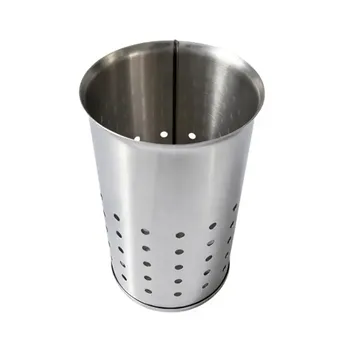
While not always visible from the outside, a crucial component sits inside the fire chamber: a grid or inner cup.
This component elevates the fuel off the bottom of the canister. This spacing creates a critical air gap, allowing oxygen to flow underneath the fuel source for consistent burning.
The Bellows Assembly
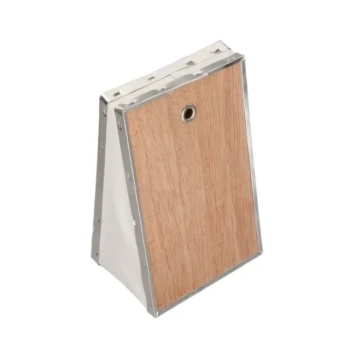
Attached to the exterior of the chamber are the bellows, typically comprised of two hinged plates and a flexible covering.
This is the engine of the device. Compressing the bellows forces a controlled burst of oxygen into the base of the fire chamber, stoking the embers just enough to produce volume without excessive heat.
The Directional Nozzle
Capping the device is a hinged lid fitted with a nozzle.
This funnel serves two purposes: it concentrates the smoke into a directed stream for precision application, and it prevents sparks or burning debris from escaping into the hive.
The Functional Mechanism
The smoker is not simply about burning material; it is about controlling the quality of the smoke.
Generating Cool Smoke
The primary technical goal of the smoker is the production of cool, white smoke.
By regulating airflow through the bellows, the device keeps the combustion temperature low. Hot smoke or flames can singe the bees' wings and agitate the colony, defeating the tool's purpose.
Disrupting Communication
Biologically, the smoker functions by masking pheromones.
When a hive is opened, guard bees release a specific scent to alert the colony of an intruder. The smoke obscures this chemical signal, preventing the alarm from spreading and keeping the general population non-aggressive.
Understanding the Trade-offs
While the mechanism is simple, improper operation can lead to performance issues.
The Risk of Over-Oxygenation
Pumping the bellows too aggressively turns the smoker into a blast furnace.
This creates high-heat smoke, which is dangerous to the bees. The goal is a gentle puff to encourage smoldering, not rapid pumping that ignites open flames.
Fuel Density Issues
The efficiency of the smoker relies on how the fuel is packed within the chamber.
If packed too tightly, airflow from the bellows is blocked, and the fire dies. If packed too loosely, the fuel burns away rapidly, requiring frequent refueling during critical work.
Making the Right Choice for Your Goal
Correct usage of a smoker depends on balancing airflow and fuel density to achieve the desired output.
- If your primary focus is safety: Ensure you see dense, white smoke before approaching the hive; thin or blue smoke often indicates the fire is too hot or near dying.
- If your primary focus is longevity: Pack your fuel firmly but ensure the aeration grid at the bottom remains clear to allow the bellows to function.
Mastering the smoker requires recognizing that it is not just a firebox, but a precision instrument for chemical signal management.
Summary Table:
| Component | Primary Function | Key Feature |
|---|---|---|
| Fire Chamber | Houses smoldering fuel | Limits oxygen to prevent open flames |
| Bellows Assembly | Injects air into the chamber | Controls smoke volume and combustion rate |
| Internal Grid | Elevates fuel from the base | Creates air gap for consistent aeration |
| Nozzle | Directs smoke stream | Concentrates smoke and prevents spark escape |
| Mechanism | Pheromone masking | Generates cool, dense smoke to calm colonies |
Elevate Your Beekeeping Operations with HONESTBEE
Effective colony management starts with professional-grade tools. At HONESTBEE, we specialize in supporting commercial apiaries and distributors with a robust wholesale catalog designed for scale and reliability.
From precision beekeeping smokers and specialized hive-making machinery to high-capacity honey-filling systems and cultural merchandise, our comprehensive portfolio ensures your business has the equipment and consumables it needs to thrive.
Ready to scale your inventory or upgrade your apiary hardware? Contact us today to discuss wholesale pricing and custom solutions.
Related Products
- Stainless Steel Honey Bee Smoker Hive and Honeycomb Smoker for Beekeeping
- Miniature Stainless Steel Bee Smoker for Beekeeping
- Professional Bee Smoker with Elongated Spout and Durable Bellows for Beekeeping
- Electric Bee Smoker European Style Bee Hive Smoker for Beekeeping
- Galvanized Beekeeping Smoker for Honey Bee and Apiculture
People Also Ask
- What are bee smokers made out of? Choose the Right Material for Your Apiary
- Why is a stainless steel bee smoker considered indispensable? Master Hive Management with Cool Smoke Technology
- What type of bee smoker is recommended for a beginner? Top Picks for Easy Hive Management
- How do bee smokers and colored light sources work together to assist in night-time honey harvesting? Expert Strategies
- What is the best material for a bee smoker? Choose the Right Fuel for a Calm Hive