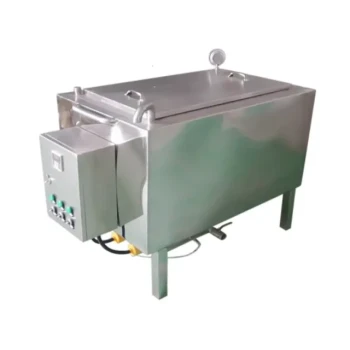
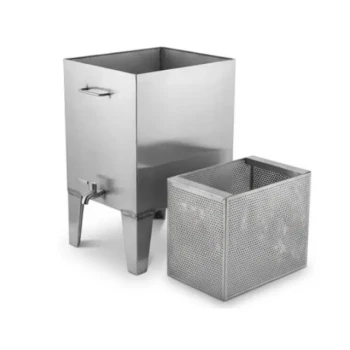
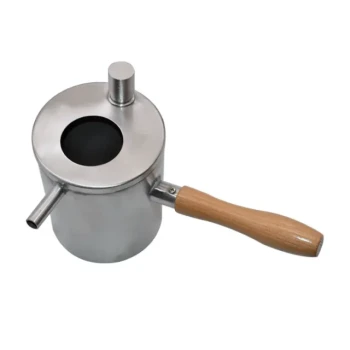
The primary responsibility of professional beeswax processing equipment is to perform rigorous hygienic treatment on old honeycomb through a combination of melting, filtration, and sterilization. Its most critical technical function is the elimination of pathogenic microorganisms, which prevents the cross-transmission of diseases between apiaries while maximizing the extraction of pure, sanitary beeswax.
The core value of this equipment lies not just in extraction, but in sanitization. By neutralizing pathogens found in old comb, it ensures that recycled wax is biologically safe for re-introduction into the hive or for high-grade commercial use.
The Critical Role of Sterilization
Eliminating Pathogens
The fundamental duty of professional processing equipment is to ensure biological security. Old honeycombs often harbor harmful microorganisms that can decimate bee colonies if left untreated.
Through controlled high-temperature processing, the equipment sterilizes the wax matrix. This effectively eliminates pathogens, preventing the spread of diseases from one apiary to another during the recycling process.
Ensuring Sanitary Safety
Mere physical separation of wax is insufficient for modern beekeeping standards. The equipment must deliver a product that meets strict sanitary safety requirements.
By integrating sterilization with melting, the machinery guarantees that the resulting wax is safe for sensitive applications. This is a prerequisite for reusing wax in foundation sheets or selling it to pharmaceutical and cosmetic industries.
Maximizing Purity and Yield
Efficient Separation of Impurities
Professional equipment is designed to maximize the separation of pure beeswax from waste materials. Using multi-stage filtration units, it isolates solid beeswax from impurities found in old combs.
This process is significantly more thorough than traditional methods. It ensures that the final output is high-purity raw material suitable for standardized production.
Optimized Heat Conversion
Unlike passive methods, professional gear often utilizes steam or precise heating elements to penetrate the wax structure efficiently. High heat conversion efficiency allows for the thorough melting of wax within the comb.
This results in a higher yield of usable wax per batch. It transforms what would be waste into a valuable resource, improving the overall economic efficiency of the operation.
Understanding the Trade-offs
Energy Dependency
While professional equipment offers superior sanitation and yield compared to solar wax melters, it requires active energy sources.
Operators must rely on gas, electricity, or steam generation to function. This adds an operational cost and infrastructure requirement that passive methods do not demand.
Operational Complexity
Achieving high-purity results requires precise management of temperature and filtration systems.
If the temperature is not controlled accurately, there is a risk of damaging the wax properties. Furthermore, while enclosed designs reduce fire risks compared to open flames, working with pressurized steam or high heat always requires strict adherence to safety protocols.
Making the Right Choice for Your Goal
To select the right processing strategy, you must identify your primary objective for recycling honeycomb.
- If your primary focus is Biosecurity: Prioritize equipment with verified sterilization capabilities to ensure the absolute destruction of apiary pathogens.
- If your primary focus is Economic Efficiency: Look for steam-based systems with high heat conversion rates to maximize the volume of wax recovered from waste comb.
Professional processing transforms a biological liability into a sterile, reusable asset, closing the loop on material usage within the apiary.
Summary Table:
| Responsibility | Key Function | Benefit to Apiaries |
|---|---|---|
| Sterilization | High-temp pathogen elimination | Prevents disease cross-transmission |
| Filtration | Multi-stage impurity separation | Produces high-purity, commercial-grade wax |
| Heat Conversion | Optimized steam/electric heating | Maximizes wax yield and extraction efficiency |
| Waste Management | Recycling old honeycombs | Transforms biological waste into valuable assets |
Elevate Your Wax Production with HONESTBEE
At HONESTBEE, we understand that for commercial apiaries and distributors, beeswax processing is about more than just melting—it's about biosecurity and profitability. We supply a comprehensive range of professional beekeeping machinery, including high-efficiency wax melters and sterilization equipment designed to protect your colonies and maximize your yield.
From industrial-scale hive-making machines to precision honey-filling systems and essential consumables, our wholesale portfolio is built to support your growth. Contact us today to discover how our specialized equipment can streamline your operations and deliver the pure, sanitary beeswax your customers demand.
References
- Erkan Topal, Mihaiela Cornea‐Cipcigan. BAL MUMUNUN YAPISI, KULLANIM ALANLARI ve BAZI TEMEL SORUNLARI. DOI: 10.31467/uluaricilik.781259
This article is also based on technical information from HonestBee Knowledge Base .
Related Products
- Manual Beeswax Flat Sheet Machine for Beeswax Processing
- Electric Beeswax Flat Sheet Machine with Operating Tray for Wax Processing
- Beeswax Machine Press Embosser Wax Foundation Mold Printer Bee Hive Equipment Making Sheet
- Electric Commercial Beeswax Melter for Factory Use
- Steam Beeswax Melter Wax Warmer for Wax Processing
People Also Ask
- What is the primary function of the double-roller extrusion system? Master Precision Beeswax Foundation Production
- How do cultural merchandise processing machines contribute to the economic value chain? Boosting Apiary Profitability
- What are some practical tips for managing equipment and workspace when processing beeswax? Essential Studio Setup Tips
- How do specialized beeswax processing machines maximize the value of beekeeping by-products? Boost Your Apiary's ROI
- What role does beeswax processing equipment play in development of by-products? Turn Apiary Waste into High-Value Profit