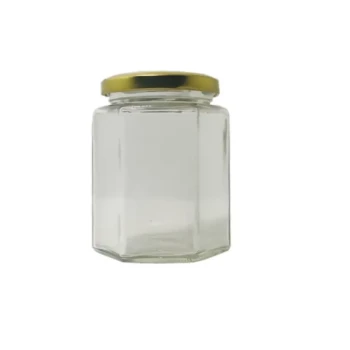
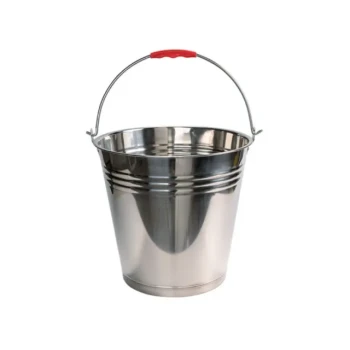
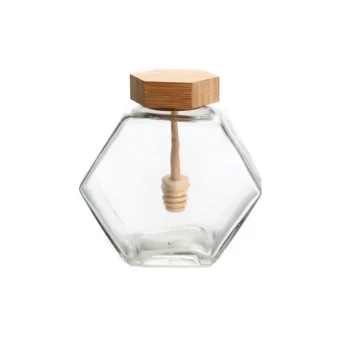
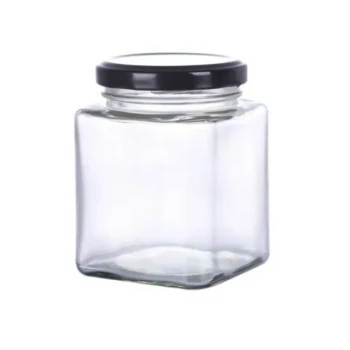
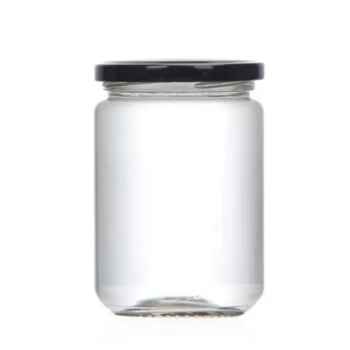
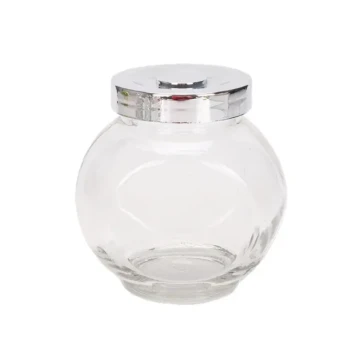
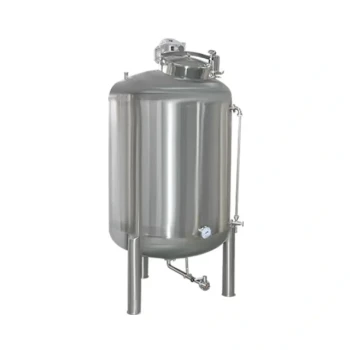
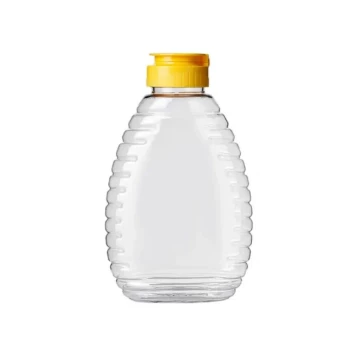
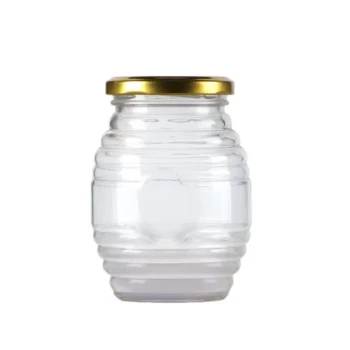
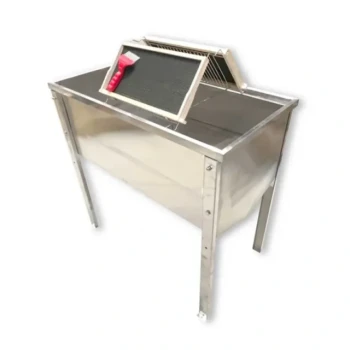
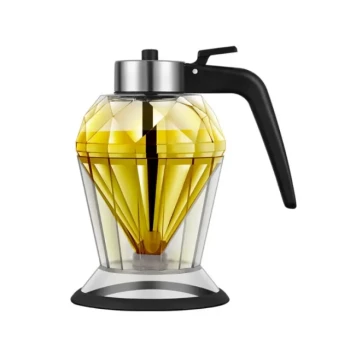
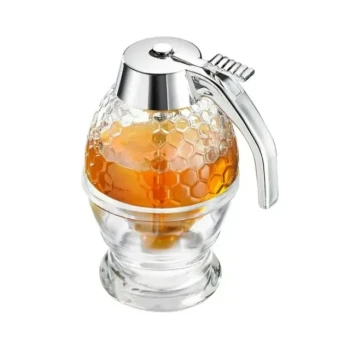
Industrial-grade honey collection containers, specifically buckets, basins, and bowls, serve as the primary "turnover consumables" designed to receive, collect, and provide preliminary storage for honey and beeswax immediately after extraction. These vessels function as the critical bridge between harvesting and processing, ensuring that raw materials are captured efficiently before undergoing filtration or long-term storage. Their specific design and material composition are engineered to facilitate the physical flow of product while maintaining distinct batch separation.
By enabling graded storage and fluid guidance, these containers do more than hold liquid; they actively preserve the "primary processing quality" of the honey by minimizing physical loss and reducing environmental exposure.
The Role of Containers in Material Management
Reception and Preliminary Storage
The most immediate function of these containers is to act as the primary catch mechanism for raw material. They receive the initial output of honey and beeswax extracted directly from the hive, serving as a buffer before further processing.
Facilitating Graded Storage
Industrial buckets and basins are essential for organizing the harvest into manageable units. They allow for the physical separation of different product batches, enabling producers to isolate honey based on quality, floral source, or harvest timing.
Streamlining Workflow
By serving as standardized turnover units, these containers ensure an efficient flow of materials. They transform a continuous extraction process into discrete, movable volumes that can be easily transported to filtration or settling stations.
Preserving Quality During Transfer
Material Cleanliness and Safety
The hygiene standards of the container directly correlate to the final quality of the honey. Because these basins operate in open or semi-open environments, their material composition must be non-reactive and easy to sanitize to prevent contaminating the raw product.
Reducing Environmental Exposure
Specialized collection basins and funnels are designed to reduce the surface area of the honey exposed to the air. This design feature minimizes the risk of airborne contaminants settling into the product during the vulnerable transfer stage.
Fluid Guidance and Loss Prevention
When moving honey from filtration equipment to storage, tools like funnels and specific basins act as fluid guidance vehicles. They are engineered to minimize physical loss during transfer, ensuring that high-value yield is not wasted due to spills or inefficient pouring mechanics.
Understanding the Trade-offs
The Consumable Lifecycle
The primary reference categorizes these items as "turnover consumables," implying they have a finite lifespan. While industrial-grade materials are durable, frequent use in rugged harvesting environments eventually leads to surface wear that can harbor bacteria.
Open vs. Closed Transfer
While basins facilitate easy pouring and visual inspection, their open nature presents an inherent risk compared to closed-pipe systems. Strict adherence to hygiene protocols is required to offset the exposure risks present in open-air forest or field environments.
Making the Right Choice for Your Operation
To select the correct container strategy, you must balance volume requirements with hygiene controls.
- If your primary focus is Batch Quality Control: Prioritize multiple smaller containers that allow for strict "graded storage" to physically separate high-grade harvest from lower-quality yields immediately.
- If your primary focus is Process Efficiency: Invest in basins and funnels designed for "fluid guidance" to maximize transfer speed and minimize physical product loss between filtration and storage.
True efficiency in honey harvesting is achieved not just by how fast you extract, but by how cleanly and securely you manage the transfer of the raw material.
Summary Table:
| Function | Key Benefit | Impact on Honey Quality |
|---|---|---|
| Reception & Buffer | Immediate catch mechanism after extraction | Prevents material loss and manages workflow flow |
| Graded Storage | Batch separation by quality or floral source | Maintains harvest integrity and facilitates quality control |
| Fluid Guidance | Minimized spills via specialized funnels/basins | Maximizes yield by reducing physical product loss |
| Contamination Control | Easy-to-sanitize non-reactive materials | Ensures food safety and reduces environmental exposure |
Maximize Your Honey Yield with HONESTBEE
Efficient honey production starts with the right tools. HONESTBEE provides commercial apiaries and distributors with high-performance industrial-grade containers, specialized hive-making machinery, and precision honey-filling equipment. Whether you are scaling up your wholesale operation or seeking reliable consumables for field harvesting, our comprehensive portfolio is designed to enhance your workflow and preserve product quality.
Ready to upgrade your collection process? Contact us today to discover how our professional beekeeping equipment and tailored solutions can drive your business success.
References
- Ahmad S. Olohungbebe, Peter Daniel. Resource-Use Efficiency of Honey Production in Kachia Local Government Area, Kaduna-State, Nigeria. DOI: 10.5296/jas.v4i1.8790
This article is also based on technical information from HonestBee Knowledge Base .
Related Products
- Hexagonal Glass Honey Jars with Metal Lug Caps Elegant Versatile Packaging
- Premium Stainless Steel Honey Tank Bucket Pail with Reinforced Handle and Polished Finish
- Hexagonal Glass Honey Jar with Wooden Lid Integrated Dipper Elegant Functional Storage
- Food Grade Plastic Honey Bucket Pail for Beekeeping
- Modern Square Glass Honey Jar with Twist Off Lid
People Also Ask
- What is the aesthetic appeal of using glass jars for honey? Elevate Your Brand with Premium Packaging
- What are the logistical challenges associated with using glass jars for honey packaging? Navigating Weight & Fragility
- What are the advantages of glass containers for honey? Elevate Quality and Market Value with Premium Packaging
- What are the technical advantages of using glass jars for honey? Master Commercial Packaging for Premium Purity
- What are the advantages of using glass jars for honey packaging? Preserve Purity & Elevate Your Brand