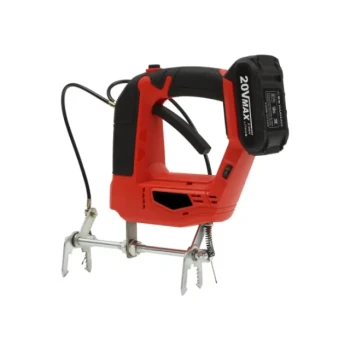
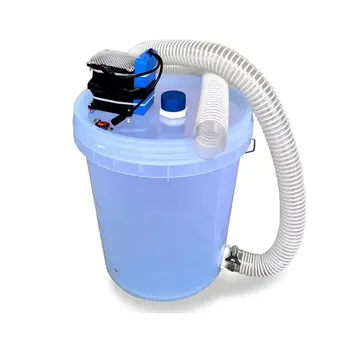
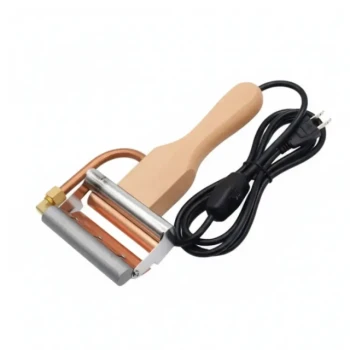
The transition to specialized aspiration tools represents a fundamental shift from brute-force extraction to precision management. Technically, using syringes or electric suction pumps allows you to harvest honey by selectively penetrating individual storage pots, whereas traditional inversion requires tipping or damaging the hive, leading to indiscriminate contamination and structural failure.
Core Takeaway: Specialized suction technology decouples honey harvest from hive destruction. By preserving the colony’s cerumen pot structure, you achieve a higher grade of honey free from pollen and larval fluids while significantly reducing the biological stress and recovery time required for the bees.
Preserving Hive Architecture and Energy
Non-Destructive Access
Traditional inversion or "hive turning" relies on gravity and often necessitates breaking the hive's internal structure to facilitate flow. In contrast, syringes and suction pumps allow for a non-destructive entry. You can extract honey while leaving the delicate cerumen (wax and propolis) pots physically intact.
Reduced Metabolic Cost
When a hive is inverted or crushed, the colony must redirect massive amounts of energy toward rebuilding destroyed storage pots. By using precision suction, the nest structure remains stable. This allows the colony to focus metabolic energy on foraging and brood rearing rather than emergency repairs.
Elevating Product Purity and Quality
Eliminating Cross-Contamination
The most significant technical advantage of suction is the isolation of the honey. Inversion methods often rupture adjacent pollen pots or brood cells, mixing these contaminants into the honey. Suction extraction creates a sterile pathway, ensuring the final product contains only honey, free from pollen degradation, larval fluids, or propolis.
Selective Harvesting
Stingless bees often store honey of varying maturity levels in different pots. Mechanical suction allows for visual inspection and targeted extraction. You can isolate fully mature honey while leaving high-moisture, immature honey behind, preventing fermentation and increasing the market value of your harvest.
Biological Stability and Pest Management
Minimizing Scent Leakage
Inversion exposes the internal hive fluids to the open air, releasing strong alarm pheromones and the scent of honey. This attracts detrimental pests, such as phorid flies. Pumping systems are closed-loop or highly localized, limiting the release of attractant scents and maintaining long-term colony security.
Reducing Bee Mortality
Traditional methods can physically crush worker bees and damage the queen during the turning process. Precision tools, such as glass pipettes or specialized vacuum tips, are non-invasive. This significantly lowers bee mortality rates, preventing the population collapse often associated with aggressive harvesting techniques.
Understanding the Trade-offs
While suction and syringe methods offer superior quality control, they introduce technical complexities compared to simple inversion.
Equipment Maintenance and Sterilization
Unlike gravity-based methods, suction pumps require rigorous cleaning. The tubing and vacuum chambers must be sterilized to prevent bacterial growth between harvests. Failure to clean equipment properly negates the hygiene benefits of the method.
Risk of Aeration
While suction reduces solid contaminants, the vacuum process introduces air into the honey stream. If the vacuum pressure is too high, it can cause excessive foaming or oxidation. Operators must calibrate pressure carefully to balance extraction speed with the preservation of the honey’s biochemical stability.
Making the Right Choice for Your Goal
To maximize the benefits of this technology, align your method with your specific production targets:
- If your primary focus is Medical-Grade Purity: Use electric suction with a fine-tip nozzle to ensure zero contact between honey and pollen/larval fluids.
- If your primary focus is Colony Expansion: Use manual syringes to minimize harvest volume and disturbance, leaving the maximum amount of structure intact for rapid population growth.
- If your primary focus is Shelf-Stability: Use suction to selectively harvest only sealed, mature pots to ensure low moisture content and prevent fermentation.
Precision harvesting is not just about cleaner honey; it is an investment in the biological continuity of your hive.
Summary Table:
| Feature | Traditional Inversion | Specialized Suction (Syringe/Pump) |
|---|---|---|
| Hive Impact | Destructive; requires structural repair | Non-destructive; preserves cerumen pots |
| Honey Purity | High risk of pollen/larval contamination | High purity; selective extraction |
| Bee Health | High stress; risk of crushing bees/queen | Low stress; minimal mortality |
| Pest Risk | High (scent leakage attracts phorid flies) | Low (closed-loop or localized system) |
| Energy Cost | High (bees must rebuild storage pots) | Low (energy focused on foraging/brood) |
| Complexity | Simple but messy | Requires sterilization & calibration |
Elevate Your Apiary's Productivity with HONESTBEE
Transitioning to precision harvesting is a game-changer for commercial honey quality and colony longevity. At HONESTBEE, we specialize in supporting commercial apiaries and distributors with the high-performance tools required for modern beekeeping.
Our comprehensive wholesale portfolio includes everything from specialized honey-filling machines to essential industry consumables and hive-making hardware. Whether you are scaling up a stingless bee operation or stocking the latest beekeeping technology, we provide the machinery and expertise to ensure your success.
Ready to upgrade your equipment? Contact us today to explore our wholesale solutions and discover how HONESTBEE can streamline your production!
References
- Rodolfo Jaffé, Vera Lúcia Imperatriz-Fonseca. Bees for Development: Brazilian Survey Reveals How to Optimize Stingless Beekeeping. DOI: 10.1371/journal.pone.0121157
This article is also based on technical information from HonestBee Knowledge Base .
Related Products
- HONESTBEE 6 Frame Three Use Electric Honey Extractor for Beekeeping
- HONESTBEE 6 Frame Self Reversing Electric Honey Extractor for Beekeeping
- HONESTBEE 72 Frame Industrial Electric Honey Extractor for Beekeeping
- Professional 4 Frame Self Reversing Electric Honey Extractor for Beekeeping
- High Performance Cordless Electric Bee Shaker for Beekeeping
People Also Ask
- What are the advantages of an electric honey extractor? Boost Efficiency and Scale Your Honey Production
- What are the features of an electric honey extractor? Boost Your Apiary's Productivity with Motorized Efficiency
- How does an electric honey extractor function? Streamline Your Harvest with Motorized Efficiency
- How long does an electric honey extractor take? Drastically Cut Your Harvest Time & Effort
- How does an electric honey extractor affect the quality of honey? Preserve Flavor & Purity with Precision Extraction