The level of water-insoluble solids serves as the primary diagnostic metric for the mechanical efficiency and hygiene of your honey processing line. High concentrations of materials such as wax, pollen, and hive fragments directly indicate a failure in the effectiveness of your filtration equipment or a mismatch in the pore size specifications of your filtration consumables.
By quantifying these solids, you move beyond subjective visual checks to a data-driven evaluation of your production line. This measurement allows you to pinpoint whether your filtration pore sizes are appropriate and if your harvesting tools and hygiene protocols are meeting the standards required for commercial distribution.
Decoding the Data: What Solids Reveal
Defining the Impurities
Water-insoluble solids typically consist of wax particles, pollen grains, and hive fragments (such as bee parts or larvae).
In the context of processing, the volume of these materials is the standard "cleanliness index" for the final product.
Identifying the Source
Elevated levels of these solids often suggest issues upstream of the filter itself.
This can point to the quality of harvesting tools used or even the specific type of beehive, which may be introducing excessive debris into the raw material before it even reaches the processing plant.
Evaluating Filtration Equipment
Assessing Pore Size Appropriateness
The most critical technical insight provided by analyzing insoluble solids is the suitability of your filtration consumables.
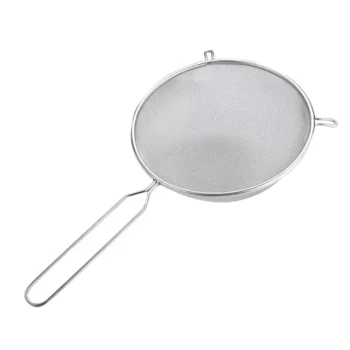
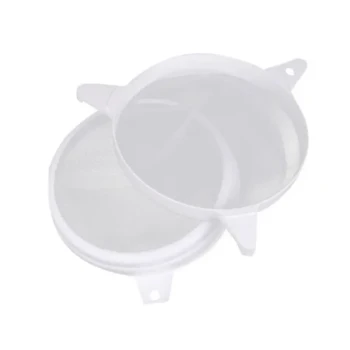
If solids remain high, the pore size of your filtration nets or cartridges is likely too large for the specific particulate load of your raw honey.
Verifying Filtration Effectiveness
Quantitative analysis acts as a pass/fail test for your equipment.
High solid content indicates that your current setup—whether simple gravity straining or high-density pressure filtration—is failing to physically capture impurities effectively.
Multi-Stage System Checks
(Supplementary Context) Professional processing often utilizes multi-stage filtration to progressively remove debris.
Presence of solids in the final product suggests a breakdown in one of these stages, requiring a review of the entire filtration sequence rather than just the final polish filter.
Operational and Commercial Implications
Hygiene Control Indicators
Beyond simple filtration, solid content measures the overall hygiene control of the production line.
Consistently low solid counts demonstrate that the processing environment is controlled and that equipment is functioning within high-precision parameters.
Stability and Shelf Life
(Supplementary Context) Removing these physical impurities is not just about visual appeal; it is about product stability.
Organic residues like wax and protein fragments can act as catalysts for fermentation. Ensuring these are removed via proper equipment preserves the honey's storage stability after bottling.
Common Pitfalls in Filtration Strategy
The Risk of Incorrect Pore Sizing
A common mistake is selecting a filter pore size based solely on flow rate rather than retention requirements.
Choosing a pore size that is too large will improve processing speed but will leave visible sediments, failing cleanliness standards.
Neglecting Upstream Variables
Focusing solely on the final filter often masks the real problem.
If your harvesting methods introduce an unmanageable amount of wax and debris, even high-quality filtration consumables will clog rapidly or fail, leading to inconsistent product quality.
Making the Right Choice for Your Goal
To ensure your processing line meets the necessary standards, you must match your equipment settings to your specific quality targets.
- If your primary focus is Commercial Retail Standards: Ensure your filtration consumables have a small enough pore size to remove all visible wax and hive fragments to prevent fermentation and ensure visual clarity.
- If your primary focus is Production Efficiency: Audit your harvesting tools and hive types first to reduce the initial load of solids, preventing premature clogging of your filtration equipment.
By treating water-insoluble solids as a key performance indicator, you transform filtration from a passive step into an active control point for product consistency.
Summary Table:
| Metric Category | Identified Impurities | Technical Insight/Cause | Impact on Honey Quality |
|---|---|---|---|
| Physical Solids | Wax, pollen, hive fragments | Incorrect filtration pore size or mesh failure | Visual clarity and sediment levels |
| Process Hygiene | Bee parts, larvae, organic debris | Poor harvesting tools or hygiene protocols | Cleanliness index and safety standards |
| System Stability | Protein fragments, organic residues | Breakdown in multi-stage filtration sequence | Shelf life stability and fermentation risk |
| Equipment Load | High particulate volume | Inefficient upstream harvesting/extraction | Filter clogging and reduced flow rates |
Optimize Your Honey Processing with HONESTBEE
Are you struggling with inconsistent honey clarity or frequent filter clogging? At HONESTBEE, we specialize in empowering commercial apiaries and distributors with high-precision beekeeping machinery and filtration solutions. From advanced honey-filling machines to durable filtration consumables and specialized harvesting tools, we provide the full spectrum of equipment needed to minimize water-insoluble solids and maximize product value.
Boost your production efficiency and meet retail standards today. Contact our expert team to discover how our wholesale beekeeping equipment can transform your honey quality.
References
- Sisay Gobessa, Bezabih Amsalu. Physicochemical Properties of Honey Produced in the Homesha District of Western Ethiopia. DOI: 10.2478/v10289-012-0004-z
This article is also based on technical information from HonestBee Knowledge Base .
Related Products
- Electric Double Wall Honey Filtering Machine Purifier Equipment for Honey Processing Plant
- Professional Stainless Steel Honey Filtering Machine with Water Bath Heating for Beekeeping
- 0.5T Capacity Honey Dehumidifier Dryer with Vacuum Heating and Thickening Filtering Machine
- Professional Stainless Steel Honey Filter with Support Handle
- Honey Concentrating and Filtering Dehumidifier Machine 2T Capacity for Honey
People Also Ask
- What is the process of filtering honey? A Guide to Clean, Pure, and Market-Ready Honey
- What types of equipment are used in honey filtering? Build an Efficient System for Pure, Marketable Honey
- What is the overall importance of using the right equipment in honey filtering? Boost Quality & Marketability
- What role do professional honey harvesting and filtering equipment play in meeting honey market quality standards? Boost ROI
- Why is filtering important in honey processing, and what equipment is used? A Guide to Quality & Efficiency