The fundamental design principle behind aluminum slow-release gel trays is the synchronization of thermal conductivity with physical containment to regulate vapor release. The aluminum tray acts as a thermal bridge, efficiently transferring heat from the bee colony to the gel matrix to ensure the Thymol evaporates at a consistent, therapeutic rate over several weeks.
Core Takeaway Achieving the correct vapor concentration is critical: too low fails to kill mites, while too high harms the colony. Aluminum slow-release trays solve this by utilizing the metal's high thermal conductivity to harness hive heat, driving a uniform evaporation rate that maintains stable spatial concentration throughout the treatment cycle.
Regulating Release via Thermal Conductivity
The Thermal Bridge Effect
The primary function of the aluminum construction is to act as a high-efficiency heat conductor. The metal absorbs the ambient heat generated by the bee colony and transfers it directly to the gel matrix.
Stabilizing Volatilization
Thymol requires warmth to convert from a solid or liquid state into a vapor. By utilizing the hive's internal heat, the aluminum tray helps the gel maintain a constant volatilization rate.
This thermal regulation helps buffer the treatment against external environmental temperature shifts, ensuring the chemical release remains steady rather than spiking or stalling.
The Role of Physical Containment
Defining the Evaporation Surface
The tray provides a fixed physical interface area. By exposing a specific, unchanging amount of surface area to the air, the design mathematically limits the speed at which the Thymol vapor can sublimate or evaporate.
Preventing Physical Displacement
Bees are hygienic and will attempt to remove foreign objects. The tray secures the gel, preventing worker bees from prematurely clearing the formulation out of the hive before the treatment cycle is complete.
Material Integrity
The aluminum composition is corrosion-resistant, ensuring the tray remains intact despite the chemical activity of the Thymol and the humid environment of the hive. This containment also prevents the gel from leaking into the hive if rising temperatures cause the matrix to soften excessively.
Understanding the Trade-offs
Dependency on Colony Strength
Because the design relies on thermal transfer, its efficiency is partly dependent on the colony's ability to generate heat. A weak colony in cold weather may not generate enough warmth to drive the evaporation through the aluminum efficiently.
Ambient Temperature Limits
While the tray regulates release, it cannot defy physics. Extreme ambient heat can still overheat the aluminum, potentially causing the volatilization rate to exceed safe limits. Conversely, extreme cold may suppress the vapor pressure below effective levels.
Making the Right Choice for Your Goal
To maximize the effectiveness of aluminum slow-release trays, consider your specific treatment objectives:
- If your primary focus is consistent efficacy: Ensure the tray is placed directly above the brood nest, where the colony's heat generation is highest, to fully utilize the aluminum's thermal conductivity.
- If your primary focus is colony safety: Monitor ambient temperatures closely; if the weather is exceptionally hot, the high conductivity of the tray may release vapor too quickly, requiring you to delay treatment.
By understanding the thermal principles at play, you can position these trays to deliver a sustained, lethal blow to parasites while keeping your colony safe.
Summary Table:
| Feature | Design Principle | Benefit to Treatment |
|---|---|---|
| Material | High Thermal Conductivity | Conducts hive heat to ensure steady Thymol evaporation. |
| Tray Structure | Fixed Surface Area | Defines a constant evaporation interface to prevent vapor spikes. |
| Containment | Physical Barrier | Prevents bees from prematurely removing the treatment gel. |
| Durability | Corrosion Resistance | Withstands hive humidity and chemical activity of the matrix. |
Scale Your Apiary Operations with HONESTBEE Precision Equipment
Are you looking to optimize your treatment efficacy and hive productivity? At HONESTBEE, we specialize in supporting commercial apiaries and distributors with high-quality beekeeping tools and industrial machinery.
Our extensive portfolio includes everything from specialized hive-making and honey-filling machines to essential consumables and honey-themed cultural merchandise. We understand that precision matters—whether it's the thermal regulation of a treatment tray or the efficiency of a honey production line.
Partner with HONESTBEE today to access comprehensive wholesale solutions tailored to your business needs.
References
- Théotime Colin, Andrew B. Barron. Effects of late miticide treatments on foraging and colony productivity of European honey bees (Apis mellifera). DOI: 10.1007/s13592-020-00837-3
This article is also based on technical information from HonestBee Knowledge Base .
Related Products
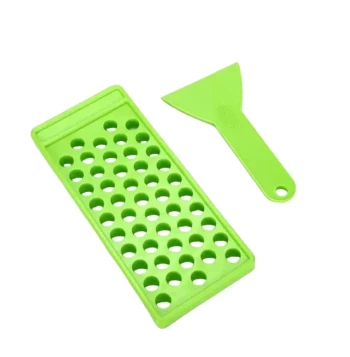
- 50 Hole Standard Design Lip Balm Filling Tray
- Solar Beeswax Melter Easy Solar Wax Melter for Beeswax
- Heavy-Duty Ergonomic Grip Galvanized Pollen Shovel
- Classic Round Glass Honey Jar with Lid
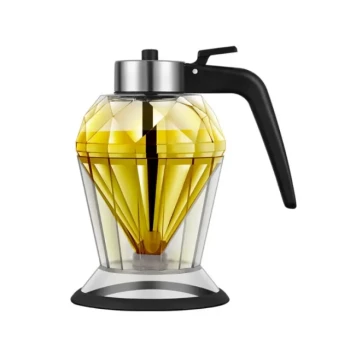
- Premium Diamond-Faceted Glass Honey Dispenser
People Also Ask
- What are the technical advantages of using wide-mouth lids as containers for syrup medication? Ensure Hive Safety
- What types of products are best suited for a gravity-fed volumetric filling system? Optimize Your Honey Packaging
- Why is glycerine jelly selected as a mounting consumable for permanent honey pollen specimens? Optimize Lab Precision
- What are the technical considerations for using a 10 mL precision syringe? Master Targeted Supplementation for Bees
- What initial step should be taken when preparing the syringe for semen collection? Ensure Sample Integrity with a Simple First Move