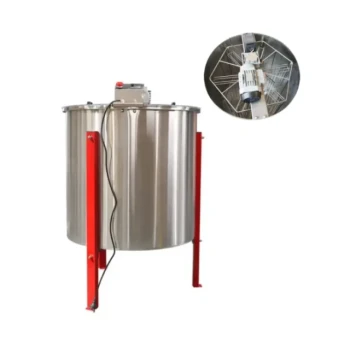
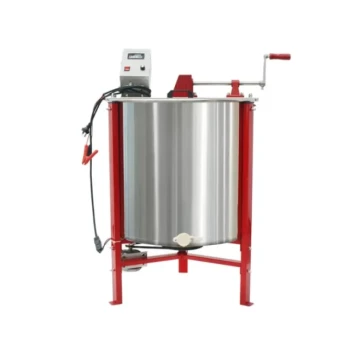
The critical first step in cleaning a honey extractor is to recover the remaining usable honey. Before introducing any water or cleaning agents, close the honey gate (valve) and tilt the unit so the liquid pools in a single area. Leave the extractor in this tilted position overnight to allow gravity to pull the final harvest down for collection.
Effective extractor maintenance begins with patience: allow gravity to reclaim the last of your harvest before washing. By tilting the unit and letting it drain overnight, you minimize waste and simplify the washing process, ensuring your equipment remains hygienic and preserves the purity of your next batch.
Optimizing the Draining Phase
The primary goal of the first step is efficiency. You want to save as much product as possible while reducing the mess you have to scrub later.
The Tilt and Wait Technique
Once you have finished extracting, close the honey gate securely.
Tilt the entire extractor unit so that the remaining honey runs toward a specific low point in the drum.
Allow the unit to sit in this position overnight. This duration is essential because honey moves slowly, and a quick tilt will not capture the full volume of residue.
Leveraging Temperature
Honey viscosity is highly dependent on temperature.
If possible, raise the temperature of the room while the extractor drains.
Warmer air reduces the honey's viscosity, allowing it to flow more freely and pool more effectively for collection the next day.
Collecting the Yield
After the overnight drain, place a container under the gate and collect the pooled honey.
Because this honey comes from the bottom of the drum, it may contain particulates.
Always run this collected honey through a sieve to ensure it matches the quality of your main harvest.
Transitioning to Deep Cleaning
Once the bulk of the honey is removed, you must remove the sticky residue to prevent fermentation, odors, and bacterial growth.
Disassembly and Scraping
Honey is water-soluble, but wax and propolis are not.
Remove all frames and detachable parts from the interior of the extractor.
Use a plastic scraper or uncapping tool to physically remove wax bits and propolis from the frames and interior walls before washing.
The Water Dissolution Method
Because honey dissolves in water, harsh chemicals are rarely necessary.
Close the gate again and add cool or warm water to the bottom of the drum to begin dissolving the remaining seam residue.
Dribble water down the interior walls to wash them clean, using a wet rag for stubborn spots.
The Spinning Rinse
For thorough cleaning, fill the bottom of the extractor until the bottom ring or rail is submerged.
Turn the extractor on at a slow speed (or hand-crank) for a few minutes.
This agitation allows the moving parts to "scrub" the water through the mechanism, dissolving hidden sugars.
Common Pitfalls to Avoid
Cleaning an extractor seems straightforward, but specific errors can damage the equipment or the product.
The Risk of Moisture
Never reassemble or store a damp extractor.
Moisture trapped in the bearings or seams can lead to rust or mold growth during storage.
After washing, leave the top and gate open for a day or two to air dry completely, then cover it with a plastic sheet.
The Problem of Contamination
Avoid using strong-smelling household cleaners or bleach unless absolutely necessary for sterilization.
Residues from these chemicals can contaminate future batches of honey.
Rely primarily on clean water and mild mechanical action (rags and spinning) to maintain the purity of the equipment.
Making the Right Choice for Your Goal
Whether you are a hobbyist or a commercial seller, your cleaning process dictates the longevity of your gear.
- If your primary focus is Maximizing Yield: Prioritize the overnight "tilt and drain" step in a warm room to capture every ounce of saleable product.
- If your primary focus is Equipment Longevity: Ensure you thoroughly remove propolis and wax scrapings before washing, as these can gum up the mechanism over time.
- If your primary focus is Food Safety: Allow the unit to air dry for at least 48 hours to prevent mold or fermentation in residual moisture.
A clean extractor is not just a tool; it is the guarantee that your next harvest will be as pure as the last.
Summary Table:
| Cleaning Phase | Primary Action | Key Benefit |
|---|---|---|
| 1. Recovery | Tilt unit & drain overnight | Maximize honey yield & reduce waste |
| 2. Prep | Scrape wax and propolis | Prevents mechanism gumming |
| 3. Dissolution | Spin with warm water | Dissolves sugars without harsh chemicals |
| 4. Drying | Air dry for 48+ hours | Prevents rust, mold, and fermentation |
Elevate Your Honey Production with HONESTBEE
Maintaining a clean and efficient operation is vital for commercial success. At HONESTBEE, we support commercial apiaries and distributors by providing a full spectrum of professional beekeeping solutions. From high-capacity honey-filling machines and precision hive-making hardware to a complete range of industrial consumables and honey-themed merchandise, we have the tools to scale your business.
Ready to upgrade your apiary’s efficiency?
Contact HONESTBEE Today to explore our wholesale equipment and specialized machinery tailored for industry leaders.
Related Products
- HONESTBEE 72 Frame Industrial Electric Honey Extractor for Beekeeping
- Commercial Electric 12 Frame Honey Extractor Spinner Motorized Honey Extractor
- HONESTBEE 3-Frame Manual Acrylic Honey Extractor
- electric honey extractor honey centrifuge 3 frame honey extractor stainless steel honey frame extractor
- HONESTBEE 6 Frame Self Reversing Electric Honey Extractor for Beekeeping
People Also Ask
- What is the importance of balancing honeycomb frames within a honey extractor? Ensure Stability and Protect Machinery
- How is honey separated from the frames after they are uncapped? Efficient Extraction Methods for High Yields
- What are the main benefits of using a honey extractor? Maximize Yields and Protect Your Honeycomb
- What are the recommended methods for removing honey from the honeycomb? Top Extraction Techniques for Maximum Efficiency
- How do manual honey extractors compare to electric honey extractors? Choosing the Right Tool for Your Apiary Growth