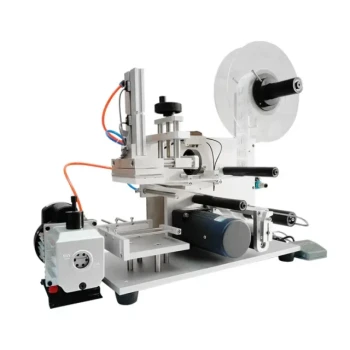
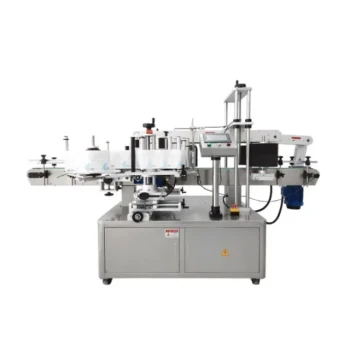
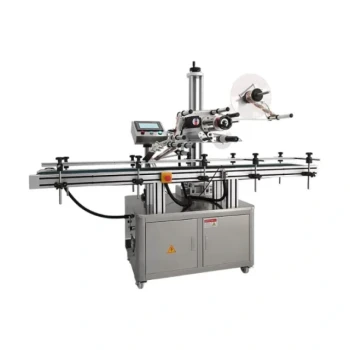
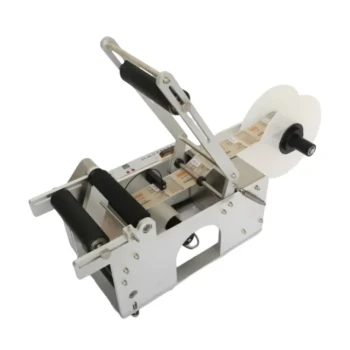
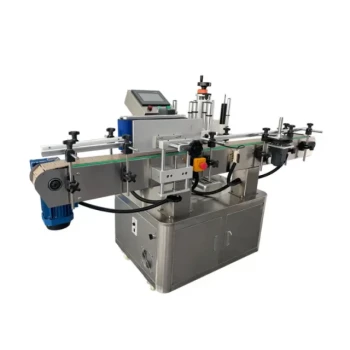
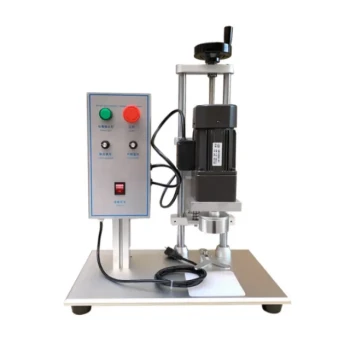
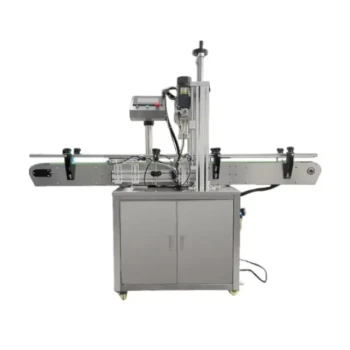
A labeling machine is a specialized industrial device designed to automate the application of labels onto products or packages. Its primary function is to ensure accurate product identification and the seamless delivery of essential information to the end-user, handling a variety of label formats such as adhesive, shrink sleeve, and wraparound labels.
At its core, a labeling machine guarantees that every product leaving the line is correctly identified and compliant. It transforms a bare package into a finished good by applying the necessary data—from branding to regulatory details—using methods tailored to the specific container type.
The Core Purpose: Identification and Communication
The fundamental role of a labeling machine goes beyond simple adhesion; it acts as the final checkpoint for product identity.
Ensuring Accurate Identification
The primary objective is product identification. Without a label, a package is a generic item; the machine ensures the correct identity is physically attached to the correct package.
This precision is critical for inventory management and consumer recognition. It prevents errors in the supply chain by ensuring the physical product matches digital records.
Delivering Essential Information
Beyond the product name, these machines apply labels that carry vital data. This includes ingredients, usage instructions, barcodes, and safety warnings.
The machine ensures this information is placed legibly and consistently, which is often a requirement for regulatory compliance.
Versatility in Application Capabilities
Labeling machines are not one-size-fits-all; they are engineered to handle different material types to suit various packaging designs.
Handling Adhesive Labels
Pressure-sensitive or adhesive labels are the most common format. The machine peels the label from a backing liner and presses it onto the product surface.
This method is highly versatile and is used for everything from simple shipping stickers to complex prime labels on bottles.
Utilizing Shrink Sleeve Labels
For products requiring full-body coverage or tamper-evident seals, machines can apply shrink sleeve labels.
In this process, the machine cuts a sleeve of film and slips it over the product. Heat is later applied (usually in a tunnel) to conform the label to the container's shape.
Applying Wraparound Labels
Wraparound labels are typically used on cylindrical containers like bottles or cans.
The machine feeds a continuous roll of label material, cuts it to size, and applies glue to the leading and trailing edges to secure it around the circumference of the product.
Understanding the Constraints
While labeling machines offer automation and speed, successful implementation requires understanding potential operational trade-offs.
Material Compatibility
Not every machine handles every label type. A machine designed for adhesive labels may not be capable of running shrink sleeves without significant modification or completely different hardware.
You must ensure the machine specification matches your chosen label substrate.
Surface Consistency
The accuracy of the machine relies heavily on the consistency of the package. Irregular shapes or unstable containers can lead to misaligned product identification.
High-speed application requires that the product remains stable and oriented correctly as it passes the labeling head.
Optimizing Your Packaging Line
Choosing the right labeling function depends on your specific product requirements and packaging goals.
- If your primary focus is simple, high-speed branding: Prioritize machines optimized for adhesive labels, as they offer a balance of speed and ease of use.
- If your primary focus is 360-degree graphics or tamper evidence: Consider equipment capable of handling shrink sleeve or wraparound labels to maximize surface area coverage.
Ultimately, the right labeling machine transforms packaging from a manual bottleneck into an automated assurance of accuracy and brand consistency.
Summary Table:
| Feature | Adhesive Labeling | Shrink Sleeve Labeling | Wraparound Labeling |
|---|---|---|---|
| Primary Use | Versatile branding & shipping | Full-body graphics & tamper evidence | Bottles, cans & cylinders |
| Mechanism | Pressure-sensitive application | Heat-shrunk film sleeve | Glue-sealing around circumference |
| Key Benefit | High speed & ease of use | 360-degree coverage | Durable & cost-effective |
| Container Shape | Flat or slightly curved | Irregular or contoured | Cylindrical |
Streamline Your Beekeeping Business with HONESTBEE
At HONESTBEE, we understand that professional presentation is key to your success in the honey market. As a dedicated partner to commercial apiaries and distributors, we provide more than just machinery; we offer a comprehensive wholesale solution for your entire operation.
From honey-filling and labeling machines that ensure perfect product identification to a full spectrum of beekeeping tools and specialized hardware, our portfolio is designed to enhance your efficiency and brand value. Whether you need industrial equipment or honey-themed cultural merchandise to expand your retail reach, we have the expertise to support your growth.
Ready to elevate your packaging and production?
Contact HONESTBEE Today to discover how our wholesale equipment and supplies can transform your apiary's output.
Related Products
- HONESTBEE Pneumatic Flat Surface Labeling Machine
- Automatic Dual Sided In Line Labeling Machine
- Automatic In-Line Flat Surface Labeling Machine
- Semi Automatic Round Bottle Labeling Machine
- Automatic In-Line Round Bottle Labeling Machine
People Also Ask
- What is the role of labeling machines in the packaging process? Boost Precision, Efficiency, and Brand Compliance
- What is the role of a labeling machine in honey packaging? Boost Brand Trust and Ensure Compliance
- What role do labeling machines play in packaging? Boost Efficiency, Accuracy, and Brand Appeal
- What information can be included on labels applied by labeling machines? A Guide to Strategic Labeling
- What are the benefits of using labeling machines? Boost Speed, Accuracy & Brand Image