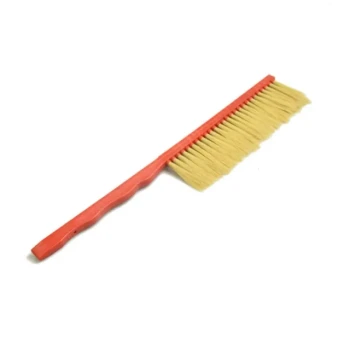
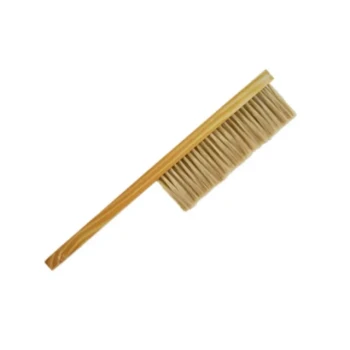
Fine brushes, such as those made from camel hair, function as precision instruments for the non-destructive extraction and transfer of Varroa mites. While they are simple tools, their primary purpose is to allow researchers and beekeepers to handle adult mites—specifically those residing within capped brood cells—without inflicting physical trauma that would compromise the specimen.
Core Insight The selection of a soft-bristled brush is dictated by the need for biological preservation, not just mechanical transfer. Because Varroa mites are structurally fragile, the use of a fine brush ensures the specimen remains physiologically active, a requirement for valid resistance monitoring and accurate experimental data.
Preserving Biological Integrity
Mitigating Physical Damage
The interface between a collector and a sample is critical. Varroa mites and their hosts (honey bee larvae or pupae) are highly susceptible to physical damage during extraction.
Using a fine, soft-bristled brush provides extremely gentle contact. This allows for the manipulation of the mite without crushing its body or tearing its delicate appendages.
Maintaining Physiological Activity
For many experimental applications, a dead mite is a useless sample. The primary reference highlights that brushes are essential for maintaining the physiological activity of the mites.
If the goal is resistance monitoring—testing whether mites are immune to certain chemical treatments—the mites must be alive and healthy at the start of the test. A rough extraction tool would skew these results by stressing or injuring the mite before the experiment begins.
Accuracy in Microscopic Analysis
Protecting Surface Features
Beyond keeping the mite alive, scientific analysis often requires the measurement of specific physical traits. Mites are structurally fragile, with typical dimensions of approximately 1167.3 µm in length and 1708.9 µm in width.
A camel hair brush offers the requisite sensitivity to handle these small organisms without damaging surface features. This is vital for preserving the integrity of the dorsal shield and legs, ensuring that microscopic measurements remain precise.
Ensuring Representative Sampling
Data quality relies on sample representativeness. If a collection method inadvertently damages the most vulnerable mites, the remaining sample set may not accurately reflect the population.
By using a tool that ensures the safe transfer of all targeted mites, researchers guarantee that their biological samples are truly representative of the colony's infestation status.
Understanding the Trade-offs
Precision vs. Speed
It is important to recognize the context of this tool. The fine brush is optimized for precision extraction, particularly from capped brood frames or for individual specimen handling.
This contrasts with bulk sampling methods (such as collecting 200 to 300 bees in a basket), which are used for estimating general infestation rates. While the brush ensures high integrity for individual mites, it is not efficient for mass collection of adult bees.
Operational Safety
While the brush protects the mite, the operator must still protect the colony. When removing a brood frame for this type of detailed collection, the safety of the queen is paramount.
As noted in standard protocols, the queen must be located and isolated before any extraction begins to prevent accidental removal or injury during the sampling process.
Making the Right Choice for Your Goal
The tool you choose dictates the quality of the data you receive. Here is how to apply this to your work:
- If your primary focus is resistance monitoring: Use a fine brush to ensure mites remain physiologically active and stress-free prior to chemical exposure.
- If your primary focus is morphological study: Rely on the softness of camel hair bristles to prevent micro-fractures to the dorsal shield or damage to the legs.
True data accuracy begins with the physical integrity of the sample at the moment of collection.
Summary Table:
| Feature | Purpose in Varroa Sampling | Benefit to Researcher |
|---|---|---|
| Soft Bristles | Prevents crushing or tearing | Mitigates physical damage to fragile mites |
| Precision Tip | Non-destructive extraction | Allows transfer from capped brood cells |
| Gentle Contact | Maintains physiological activity | Critical for accurate resistance monitoring |
| Sensitivity | Protects surface features | Ensures precise microscopic measurements |
Elevate Your Beekeeping Standards with HONESTBEE
Precise research and effective colony management require the highest quality equipment. HONESTBEE specializes in supporting commercial apiaries and distributors by providing a comprehensive range of professional-grade beekeeping tools, specialized hive-making machinery, and essential consumables.
Whether you are conducting rigorous mite resistance monitoring or scaling your wholesale operations, our portfolio offers the reliability you need to protect biological integrity and maximize productivity. Contact us today to explore our full wholesale offering and see how our industry expertise can drive your success.
References
- Lambert H. B. Kanga, Robert L. Cox. Monitoring for Resistance to Organophosphorus and Pyrethroid Insecticides in Varroa Mite Populations. DOI: 10.1603/ec10064
This article is also based on technical information from HonestBee Knowledge Base .
Related Products
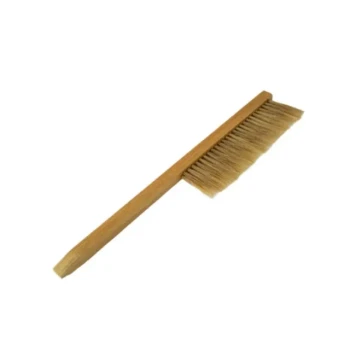
- Classic Wooden Bee Brush with Double-Row Boar Bristles
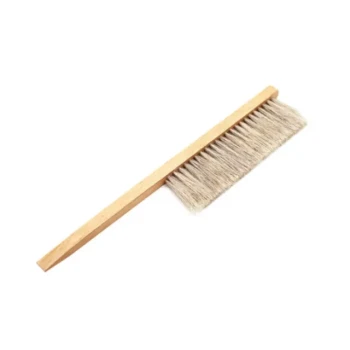
- Premium Triple-Row Horsehair Bee Brush
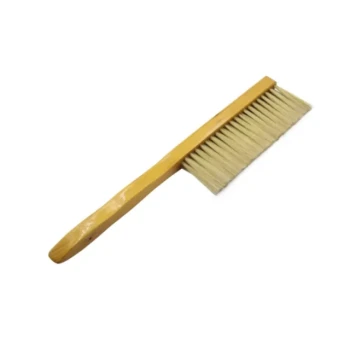
- Wooden Bee Brush with Triple Row Artificial Fiber for Beekeeping
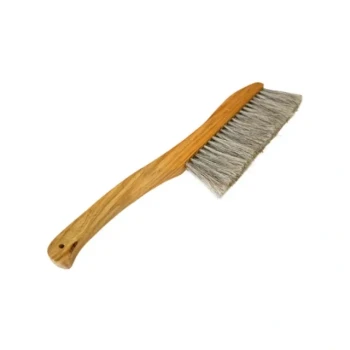
- Wooden Bee Brush with Double-Row Horsehair Bristles
- Plastic Handle Single Row Artificial Fiber Bee Brush
People Also Ask
- What are the key features of a popular bee brush? Essential Design for Bee Safety and Hive Hygiene
- What are the key characteristics of the bristles on a bee brush? Master Gentle and Efficient Bee Removal
- What is a bee brush and what is its primary use? A Gentle Tool for Hive Management
- What is the purpose of using a bee brush during the inspection of hive components? Safe & Precise Hive Management
- What is the specific function of a bee brush? Ensure Pure Harvests and Colony Welfare During Honey Extraction