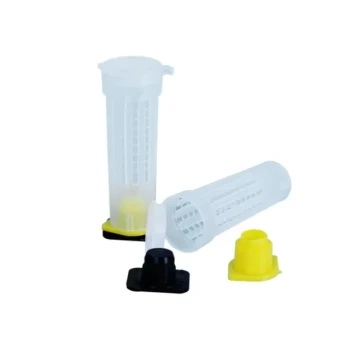
Precision tooling and specialized containers form the backbone of the Eiratama system's low-disturbance design. High-precision hole-making tools are utilized to drill exact 38mm apertures in the hive walls, creating a seamless interface for modified industrial-grade siphon boxes. These boxes function as external reservoirs that deliver feed slowly and securely, ensuring colony nutrition without requiring the beekeeper to breach the hive's internal environment.
The combination of precise 38mm apertures and industrial siphon architecture creates a sealed, external feeding loop that ensures continuous nutrition while virtually eliminating hive disturbance.
The Mechanics of the Interface
The Role of High-Precision Tooling
The primary function of the hole-making tools is to create a specific 38mm opening in the beehive walls. This dimension is critical; it is not arbitrary but calculated to match the specifications of the storage containers.
Using high-precision tools ensures the edges of the aperture are clean and the diameter is exact. This precision is necessary to establish a tight mechanical fit between the hive infrastructure and the feeding component.
Creating a Sealed External Interface
The hole serves as the docking point for the feeding system. By ensuring a precise fit, the system creates a sealed external interface.
This design moves the feeding operation to the exterior of the hive. It eliminates gaps that could allow pests to enter or bees to escape during maintenance, maintaining the integrity of the colony's environment.
The Function of the Industrial Siphon Box
Storage Modification and Stability
The system utilizes industrial-grade siphon boxes that have been modified to serve as storage containers. The robust nature of these industrial components provides a durable reservoir for the feed.
The specific internal structure of these boxes is designed to ensure stable feed storage. Unlike simple open containers, these boxes prevent spillage and protect the feed from environmental contamination.
Controlled Slow Release
The core biological advantage of the siphon box is its delivery mechanism. The internal structure facilitates a controlled, slow release of the liquid feed.
This regulation ensures that the bees have consistent access to nutrition without being overwhelmed by a flood of syrup. It maintains the continuity of the feeding operation, simulating a natural nectar flow more closely than rapid-feeding methods.
Understanding the Constraints
The Necessity of Precision
The system relies entirely on the accuracy of the 38mm interface. If the hole-making tool is imprecise, the seal will be compromised.
A hole that is slightly too large will fail to hold the siphon box securely, potentially leading to leaks or drafts. A hole that is too small will prevent the container from fitting altogether.
Dependency on Component Modification
It is important to note that standard industrial siphon boxes are not "plug-and-play" for this application. The primary reference notes they are modified to become storage containers.
Success depends on correctly adapting these industrial components to interface with the biological needs of the hive. Using unmodified boxes may not yield the required slow-release characteristics.
Implementation Strategy
The Eiratama system is best suited for beekeepers prioritizing colony stability over rapid weight gain.
- If your primary focus is Colony Health: Utilize the sealed interface to feed colonies during dearths without opening the hive, thereby minimizing stress and temperature loss.
- If your primary focus is Operational Efficiency: Rely on the high-capacity, slow-release nature of the siphon boxes to reduce the frequency of feeding rounds.
By strictly adhering to the 38mm specification and using the correct siphon architecture, you ensure a feeding process that is safe, continuous, and non-intrusive.
Summary Table:
| Component | Technical Specification | Primary Function | Benefit to Colony |
|---|---|---|---|
| Hole-making Tool | 38mm High-Precision Aperture | Creates exact docking interface | Ensures airtight seal and prevents pest entry |
| Modified Siphon Box | Industrial-Grade Reservoir | External feed storage & delivery | Eliminates hive disturbance during refills |
| Internal Architecture | Slow-Release Mechanism | Regulated nutrient flow | Simulates natural nectar flow & prevents flooding |
Elevate Your Beekeeping Operation with HONESTBEE
At HONESTBEE, we specialize in empowering commercial apiaries and global distributors with the high-precision machinery and hardware required for modern apiculture. Whether you need specialized hive-making machines to drill exact apertures or industrial-grade feeding equipment, our comprehensive wholesale catalog provides the durability and precision your business demands.
From honey-filling automation to essential industry consumables, we deliver the tools that ensure operational efficiency and colony health. Partner with us to scale your production—Contact Us Today to discuss our volume pricing and custom equipment solutions!
References
- Roberto Barbosa Sampaio, Patrícia Faquinello. Avaliação de alimentadores para abelha mandaçaia (Melipona quadrifasciata anthidioides). DOI: 10.4321/s0004-05922013000400018
This article is also based on technical information from HonestBee Knowledge Base .
Related Products
- 3.5L Plastic Beehive Frame Feeder Deep Frame Water Feeder for In Hive Use
- Professional Hive Front Entrance Bee Feeder
- In-Hive Dual Compartment Frame Bee Feeder for Targeted Colony Nutrition
- Professional In-Hive Bee Feeder HONESTBEE Frame for Beekeeping
- HONESTBEE Entrance Bee Feeder Professional Hive Nutrition Solution for Beekeeping
People Also Ask
- What are the technical advantages of using frame feeders for beehives? Maximize Efficiency and Colony Survival
- Can plastic frames be used in any type of beehive? Maximize Your Apiary Efficiency with Durable Solutions
- What are the technical functions and design requirements of plastic feeders? High-Performance Sourcing for Distributors
- What are the advantages of feeding bees inside the hive? Top Benefits for Colony Security and Health
- Are plastic bee hive frames good? A Guide to Modern Durability vs. Natural Appeal