The primary function of combining hot water extraction with dense cotton cloth filtration is the efficient physical separation of beeswax from crude contaminants. By leveraging the low melting point of wax, this method liquefies the desired material, allowing the cloth to mechanically intercept solid impurities like larval remains and wood chips while the purified wax passes through.
This process acts as a fundamental "clean-up" stage, transforming raw, debris-filled honeycomb into purified wax blocks that are chemically stable and sufficiently clean for high-precision laboratory analysis.
The Mechanics of Separation
Utilizing State Change
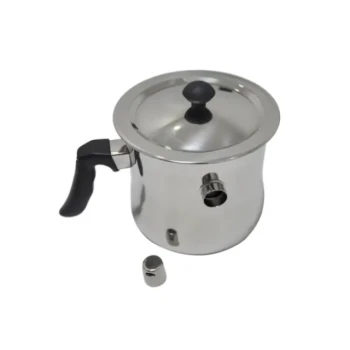
The core principle of this method relies on the low melting point of beeswax. By heating and boiling the raw material in water, the wax transitions from a solid to a liquid state.
Because the impurities (such as wood and old cocoons) remain solid, this creates a distinct physical difference between the product (liquid wax) and the waste (solid debris).
The Role of Dense Cotton Filtration
Once the wax is liquefied, the dense cotton cloth serves as a physical barrier.
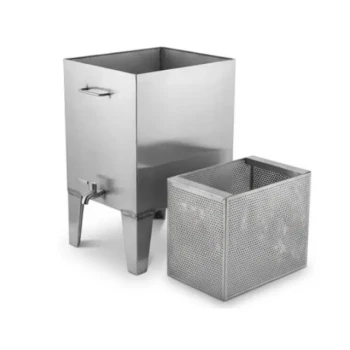
While the liquid wax and water can permeate the fabric's weave, the dense structure effectively traps insoluble solids. This includes preventing larval remains, dust, and wood shavings from contaminating the final product.
Density-Based Isolation
Although filtration captures the solids, the water medium assists in separation through density.
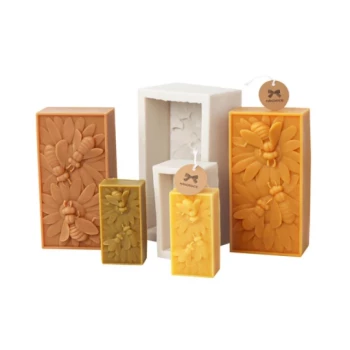
As the mixture cools or settles, the purified beeswax—which is less dense than water—will naturally float to the surface. This allows for easy collection of the hardened, purified wax blocks.
Why This Preliminary Step is Critical
Removal of Gross Impurities
Raw beeswax is rarely clean; it is often laden with debris from the hive environment.
This specific method targets macroscopic contaminants. It effectively removes biological matter like bee cocoons and pollen, as well as environmental debris like wood chips, which would otherwise ruin the accuracy of chemical analysis.
Preparation for High-Precision Analysis
The primary reference highlights that this level of purification is specifically designed to prepare wax for subsequent laboratory analysis.
By removing physical interference without altering the chemical composition of the wax, researchers ensure that test results reflect the properties of the wax itself, not the contaminants trapped inside it.
Understanding the Trade-offs
Temperature Regulation Risks
While the primary reference notes "boiling," it is vital to control this heat carefully.
If the temperature exceeds the ideal range (typically 65–70°C), there is a risk of degradation or oxidation of the wax's natural components. The goal is to melt the wax, not burn it, to preserve its chemical integrity.
Filtration Limitations
Dense cotton cloth is excellent for physical debris, but it is not a chemical filter.
It will not remove soluble impurities or microscopic pigments that affect color consistency. For applications requiring optical clarity or specific colors, further processing with specialized filters may be required.
Making the Right Choice for Your Goal
This method is a foundational purification technique. Depending on your end goal, consider the following:
- If your primary focus is Laboratory Analysis: This method is ideal because it removes physical interference while preserving the chemical baseline of the sample.
- If your primary focus is Commercial Cosmetics: You may need to treat this as a "first pass" and follow up with finer filtration or bleaching to improve color consistency and texture.
By combining thermal liquefaction with physical filtration, you effectively strip away the waste of the hive to reveal the valuable material within.
Summary Table:
| Process Component | Primary Function | Key Advantage |
|---|---|---|
| Thermal Liquefaction | Melts wax at 65–70°C | Separates liquid wax from solid hive debris |
| Cotton Filtration | Mechanical interception | Traps larval remains, wood chips, and dust |
| Density Separation | Buoyancy-based isolation | Purified wax floats to surface for easy collection |
| Preliminary Cleaning | Macro-impurity removal | Preserves chemical integrity for accurate lab testing |
Elevate Your Beeswax Production with HONESTBEE
High-quality purification is the cornerstone of premium beekeeping products. At HONESTBEE, we empower commercial apiaries and distributors by providing the industry’s most comprehensive range of beekeeping tools, specialized machinery, and processing equipment.
Whether you need precision honey-filling machines, durable hive-making hardware, or essential industrial consumables, our wholesale solutions are designed to scale your operations and ensure the highest purity standards.
Ready to optimize your yield and product quality? Contact us today to discover how our professional-grade equipment can transform your beeswax and honey production.
References
- Tesfu Shegaw, Desalegne Begna. Evaluation of Physico Chemical Qualities of Beeswax in Selected Districts of Kafa Zone, Southern Nations Nationalities and Peoples Region (SNNPR), Ethiopia. DOI: 10.7176/cmr/12-1-01
This article is also based on technical information from HonestBee Knowledge Base .
Related Products
- Beeswax Foundation Sheets Beehive Foundation for Wholesale
- Colorful Silicone Beeswax Foundation Mold Mould for Beekeeping
- Economy Manual Beeswax Embossing Mill Wax Foundation Machine Roller
- Beeswax Melter for Candle Making Honey Bee Wax Melter
- Electric Beeswax Flat Sheet Machine with Operating Tray for Wax Processing
People Also Ask
- What are the technical advantages of beeswax foundations and feeding tools? Optimize Your Bee Breeding Phase
- Why is the regular exchange and replacement of beeswax foundations encouraged? Boost Honey Yield & Hive Biosafety
- What are the negative consequences of using old or contaminated beeswax in foundations? Protect Your Hive Today
- Why is high-purity natural beeswax essential for foundations? Prevent Larval Mortality & Boost Colony Health
- What are the specific advantages of regular comb replacement? Boost Hive Health with New Beeswax Foundations