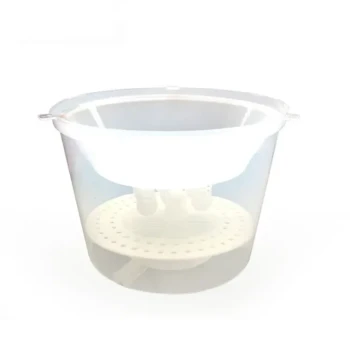
A Standard Pollen Trap serves as a mechanical collection interface installed directly at the entrance of a beehive. Its primary function is to act as a physical filter that intercepts returning foraging bees, gently dislodging pollen pellets from their hind legs and depositing them into a collection tray below without harming the insect.
Core Takeaway This device functions as a dual-purpose tool for both industry and science. It enables the non-destructive harvest of pollen for commercial sale while simultaneously providing the data samples necessary to analyze vegetation diversity and colony nutritional status.
The Mechanics of Extraction
The Physical Barrier
The trap operates by placing a specialized grid, screen, or mesh across the hive entrance.
To enter the hive, bees are forced to navigate through these narrow openings.
Non-Destructive Separation
As the bees squeeze through the grid, the physical contact mechanically brushes the pollen pellets off their hind legs (pollen baskets).
The pollen falls through a separate screen into a secure collection tray, preventing the bees from retrieving it while allowing them to enter the hive safely.
Commercial and Research Utility
Facilitating Commercial Production
For commercial apiaries, the trap is the central hardware component for high-volume production.
It allows for the efficient acquisition of raw pollen, which includes nectar and bee saliva enzymes added during transport, making it distinct from manually collected pollen.
Monitoring Nutritional Levels
Researchers and apiarists use these traps to assess the protein nutritional value of the food sources available to the colony.
By analyzing the trapped pellets, beekeepers can determine if the colony is receiving adequate nutrition to sustain brood rearing and general health.
Studying Vegetation Diversity
Pollen traps serve as an ecological survey tool.
Systematic sampling of the trapped pollen allows scientists to identify the specific plants the bees are visiting, providing a clear map of local vegetation diversity and blooming cycles.
Operational Considerations and Trade-offs
Mechanical Stress and Pathogen Transmission
While effective, the installation of a physical barrier increases the frequency of contact between bees at the entrance.
Research indicates this high-frequency contact can inadvertently facilitate the transmission of pathogens, such as the Chronic Bee Paralysis Virus (CBPV).
Impact of Intervention
The trap represents a physical intervention that alters the natural flow of the hive.
Operators must balance the need for data or product against the potential stress placed on the colony by forcing foragers through a restricted entry point.
Making the Right Choice for Your Goal
When deploying Standard Pollen Traps, align your usage with your specific objectives:
- If your primary focus is Commercial Production: Prioritize traps that maximize volume without damaging the delicate pollen pellets to preserve the enzymatic content.
- If your primary focus is Ecological Research: Use the trap for systematic sampling to accurately map vegetation diversity and seasonal shifts in local flora.
- If your primary focus is Colony Health: Monitor the hive closely for signs of viral transmission, as the physical crowding at the trap interface can accelerate pathogen spread.
Effective use of a pollen trap requires balancing harvest efficiency with the biological realities of colony health.
Summary Table:
| Feature | Commercial Function | Research/Scientific Utility |
|---|---|---|
| Primary Goal | High-volume pollen harvesting for sale | Monitoring colony nutrition & flora diversity |
| Mechanism | Physical grid separation at hive entrance | Systematic sampling of pollen pellets |
| Key Benefit | Efficient acquisition of enzyme-rich pollen | Analysis of vegetation blooming cycles |
| Risk Factor | Potential mechanical stress on bees | Potential for pathogen transmission (e.g., CBPV) |
| Output | Commercial grade bee pollen | Ecological and nutritional data sets |
Elevate Your Apiary Operations with HONESTBEE
At HONESTBEE, we specialize in supporting commercial apiaries and distributors with high-performance beekeeping solutions. Whether you are scaling up pollen production or conducting intensive research, our comprehensive wholesale portfolio has you covered.
Why partner with us?
- Full-Spectrum Equipment: From specialized hive-making and honey-filling machinery to precision tools like Standard Pollen Traps.
- Industry Consumables: A reliable supply of all essential hardware and consumables to keep your operations running smoothly.
- Commercial Expertise: We provide the durability and efficiency required for large-scale production and professional distribution.
Ready to enhance your hive productivity and diversify your product range with honey-themed merchandise? Contact us today to explore our wholesale offerings!
References
- Michael P. Simanonok, Robert S. Cornman. Honey bee-collected pollen richness and protein content across an agricultural land-use gradient. DOI: 10.1007/s13592-021-00902-5
This article is also based on technical information from HonestBee Knowledge Base .
Related Products
- Removable Plastic Pollen Trap With Ventilated Tray for Bees Pollen Collector
- 30 cm Plastic Entrance Hole Bee Pollen Trap and Collector
- Plastic Bee Pollen Trap Strips Comb Catcher Collector
- High-Efficiency Diamond Maze Bee Escape for Clearing Supers
- Reusable Clear Small Hive Beetle Traps for Beehives Beetle Trapping Tools
People Also Ask
- What are the design principles and advantages of pollen traps in the collection of bee pollen? Boost Your Apiary Yield
- What is the function of professional pollen traps in evaluating honey plants? Quantifying Pollination and Crop Potential
- What functions do pollen traps serve for bee bread production? Optimize Your Raw Material Collection
- What maintenance and pest prevention measures should be taken for pollen traps? Protect Your Hive and Harvest Quality
- How does the use of pollen traps in honeybee hives enhance crop fertilization? Boost Your Yield Through Induced Activity