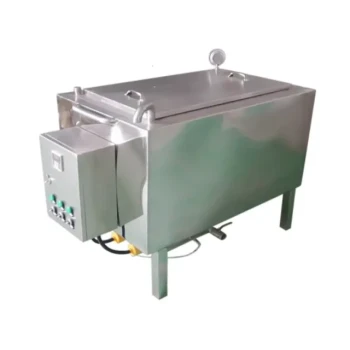
The primary function of industrial-grade drying equipment in bee pollen processing is the precise reduction of moisture content to inhibit microbial growth and extend shelf life. This dehydration process is engineered to stabilize the product while preserving the structural integrity of Vitamin B complexes and other heat-sensitive nutrients essential for commercial value.
Core Insight: Successful pollen processing is not just about removing water; it is about halting biological degradation without thermally destroying the product. The equipment must strike a delicate balance between dehydrating the pollen enough to prevent mold and keeping temperatures low enough to retain bioactivity.
The Mechanism of Preservation
Inhibiting Microbial Growth
Freshly collected bee pollen is highly perishable, often containing 20% to 30% moisture. This environment is a breeding ground for mold, bacteria, and yeast.
Industrial drying equipment targets this vulnerability by rapidly reducing moisture levels to a safe range, typically below 10%.
By removing the water required for microbial reproduction, the equipment effectively "pauses" the biological clock of the pollen, allowing for long-term storage and safe commercial distribution.
Stabilizing Bioactive Components
Preservation extends beyond preventing rot; it also involves maintaining nutritional potency.
Standardized dehydration processes are designed to protect stable Vitamin B complexes. Without precise moisture control, these nutrients can degrade, rendering the pollen less valuable for the health food market.
The Role of Temperature Control
Precision Thermal Management
To preserve quality, industrial dryers typically utilize a controlled low-temperature environment, often ranging between 37°C and 42°C.
This temperature range is critical because bee pollen contains heat-sensitive bioactive components, including enzymes, amino acids, and vitamins.
Convective Air Circulation
Many industrial units, particularly those used by small to medium-sized enterprises, employ convective drying using heated air.
This method creates a uniform thermal field that circulates around the pollen granules. This ensures consistent drying throughout the batch, preventing "wet spots" where mold could eventually develop.
Understanding the Trade-offs
Balancing Efficiency and Integrity
While convective drying is cost-effective for agricultural processing, it presents an operational trade-off.
Faster drying usually requires higher temperatures, but exceeding 42°C risks denaturing enzymes and destroying the antioxidant properties that make bee pollen a premium product.
The Risk of Over-Processing
Operators must avoid "over-drying," which can make the pollen brittle and dusty.
Conversely, "under-drying" due to poor airflow or low temperatures leaves residual moisture, inevitably leading to spoilage inside the packaging. The equipment's primary value lies in its ability to consistently hit the "Goldilocks" zone of moisture content.
Making the Right Choice for Your Goal
Selecting the right drying parameters depends on your specific market position.
- If your primary focus is Safety and Shelf Life: Prioritize equipment with high airflow capacity to ensure moisture content rapidly drops below 10%, strictly inhibiting mold growth.
- If your primary focus is Nutritional Value: Prioritize equipment with precise temperature modulation (staying under 40°C) to maximize the retention of enzymes and Vitamin B complexes.
Ultimately, the drying equipment acts as the gatekeeper between a raw, perishable agricultural commodity and a stable, high-value consumer product.
Summary Table:
| Feature | Optimal Range/Goal | Impact on Quality |
|---|---|---|
| Moisture Content | Below 10% | Inhibits microbial growth & extends shelf life |
| Temperature Range | 37°C to 42°C | Protects heat-sensitive enzymes & vitamins |
| Drying Method | Convective Airflow | Ensures uniform dehydration & prevents wet spots |
| Preservation Focus | Bioactive Stability | Maintains commercial value for health markets |
Scale Your Pollen Production with HONESTBEE
Transitioning from raw collection to a shelf-stable, high-value product requires precision. At HONESTBEE, we empower commercial apiaries and distributors with professional-grade beekeeping tools and advanced machinery tailored for efficiency.
From industrial-grade pollen dryers that protect delicate Vitamin B complexes to high-speed honey-filling machines and specialized hive-making hardware, we provide the full spectrum of equipment needed to dominate the commercial market. Whether you are expanding a large-scale apiary or sourcing consumables for distribution, our wholesale solutions ensure your products maintain peak bioactivity and market appeal.
Ready to upgrade your processing capabilities? Contact HONESTBEE Today for Custom Wholesale Solutions
References
- Emilia Laskowska, Katarzyna Socha. Health properties of bee bread and bee pollen. DOI: 10.32383/bct/154805
This article is also based on technical information from HonestBee Knowledge Base .
Related Products
- Heavy-Duty Ergonomic Grip Galvanized Pollen Shovel
- High Quality Honey Dehumidifier Dryer Thickening Machine for Beekeeping
- Plastic Bee Pollen Trap Strips Comb Catcher Collector
- High Performance Cordless Electric Bee Shaker for Beekeeping
- Electric Commercial Beeswax Melter for Factory Use
People Also Ask
- For what reasons do beekeepers collect bee pollen? Boost Hive Health and Unlock New Revenue Streams
- Why should commercial apiaries focus on the collection of diversified bee products? Maximize Your Hive’s Profit Potential
- How do bee pollen collection tools affect the quality of bee pollen used in functional dairy ice cream production?
- How does a specialized pollen collector facilitate the harvesting of diverse bee products? Automate High-Value Yields
- What is the impact of pollen collectors and associated equipment on the cost structure of pollen production? Maximize ROI