The primary role of high-pressure sterilization equipment is to create a sterile baseline during the inoculum preparation stage of stingless bee fermented feed. By treating collection materials at 121°C for 20 minutes, this equipment utilizes high-pressure steam to effectively eliminate potential contaminating bacteria. This step is critical for preventing external microorganisms from interfering with the fermentation process, thereby ensuring the purity of the inoculum.
Successful fermentation requires a controlled biological environment free from unpredictable variables. High-pressure sterilization eliminates competition from wild bacteria, ensuring that only the intended biological processes occur within the feed.
The Mechanics of Sterilization
Achieving Critical Thresholds
The equipment is calibrated to reach and maintain a specific temperature of 121°C.
This temperature must be held for a duration of 20 minutes.
These specific parameters are the industry standard for ensuring the destruction of resilient bacterial contaminants.
The Role of Steam Pressure
The process relies on high-temperature and high-pressure steam.
Steam transfers heat more efficiently than dry air, penetrating the collection materials thoroughly.
This ensures that every surface and crevice of the material is treated equally, leaving no safe harbor for bacteria.
Ensuring Inoculum Purity
Eliminating Biological Competition
The main objective is the removal of potential contaminating bacteria before the process begins.
If left untreated, these external microorganisms would compete with the intended inoculum for nutrients.
Sterilization levels the playing field, ensuring the feed substrate is exclusive to the desired fermenting agents.
Preventing Process Interference
External microorganisms can cause spoilage or produce toxic byproducts.
By establishing a sterile environment, the equipment prevents these variables from interfering with the fermentation chemistry.
This maintains the purity of the inoculum, leading to a consistent and safe final product.
Operational Risks and Considerations
The Cost of Inconsistency
If the sterilization step is skipped or performed incorrectly, the fermentation process becomes a gamble.
External microorganisms can rapidly multiply, ruining the batch regardless of the quality of the ingredients used.
Adherence to Protocol
It is a common pitfall to reduce the time or temperature to save energy or speed up production.
However, failing to meet the 121°C benchmark creates a "false sterile" environment where heat-resistant bacteria survive.
Precision in this stage is not optional; it is a prerequisite for safety.
Ensuring Consistency in Feed Production
To guarantee the success of your stingless bee fermented feed, you must treat sterilization as a critical control point.
- If your primary focus is Product Purity: strictly adhere to the 121°C for 20 minutes protocol to guarantee the elimination of all competing bacteria.
- If your primary focus is Process Consistency: ensure your equipment is calibrated regularly to maintain the high pressure required for effective steam penetration.
Reliable fermentation begins with a clean slate; high-pressure sterilization is the only way to guarantee that foundation.
Summary Table:
| Feature | Specification | Purpose in Feed Preparation |
|---|---|---|
| Temperature | 121°C | Standard threshold to destroy resilient bacteria |
| Duration | 20 Minutes | Ensures complete thermal penetration of materials |
| Medium | High-Pressure Steam | Efficient heat transfer compared to dry air |
| Goal | Sterile Baseline | Eliminates biological competition for the inoculum |
| Outcome | Purity & Safety | Prevents spoilage and toxic byproduct formation |
Elevate Your Bee Feed Production with HONESTBEE
At HONESTBEE, we understand that precision is the backbone of successful commercial beekeeping. As a leading provider for commercial apiaries and distributors, we offer a comprehensive wholesale range of beekeeping tools, machinery, and essential consumables.
Whether you need specialized honey-filling machines to package your final product or high-performance hardware to maintain production standards, our portfolio is designed to enhance your efficiency and product purity.
Ready to scale your operations? Contact us today to discover how our professional-grade equipment and industry expertise can bring superior value to your business.
References
- Patrícia Miranda-Pinto, M. M. Morais. Biotechnological Approach for Development and Characterization of Protein Feed for Melipona quadrifasciata. DOI: 10.3390/agriculture15020168
This article is also based on technical information from HonestBee Knowledge Base .
Related Products
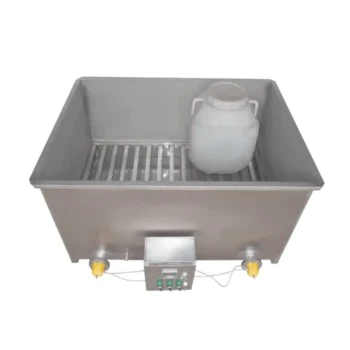
- Heavy Duty Stainless Steel Honey Processing Machine Decrystallizing Tank
- Electric Honey Press Machine for Squeezing Honey Comb Press Equipment
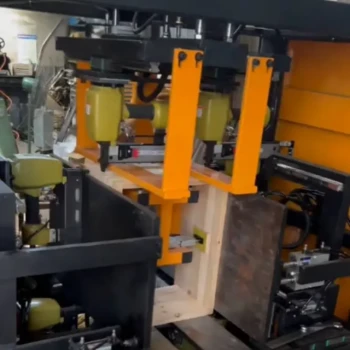
- Automatic High-Speed Bee Hive Box Stapling Machine
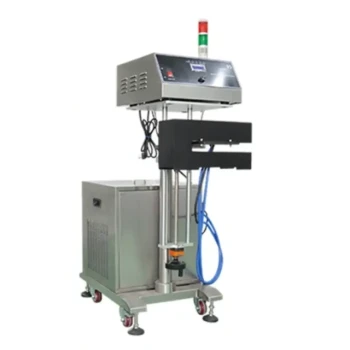
- Automatic Continuous Heat Sealing Machine
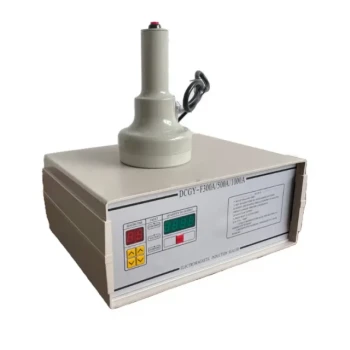
- Handheld Induction Sealing Machine for Tamper Evident Packaging
People Also Ask
- What are the features of the processing tanks offered? Engineered for Purity and Efficiency
- What types of stainless steel processing tanks are used for honey? Essential Equipment for Quality Honey Production
- What design options are available for honey processing tanks? Optimize Efficiency with Custom Geometries
- What types of stainless steel are used for honey processing? Ensure Food Safety with 304 & 316 Grade Equipment
- Why is industrial-grade stainless steel processing equipment required for honey harvesting? Ensure Purity & Compliance