To properly store cleaned beekeeping equipment, place frames back into their boxes and stack the boxes in a crisscross pattern in an open, covered shed. Ensure the stack is elevated off the ground, with each box rotated 90 degrees relative to the one below it to maximize the circulation of air and light.
Core Takeaway: Storage is not just about organization; it is a passive pest control strategy. By utilizing an "open stack" configuration, you use natural light and airflow to inhibit mold growth and deter wax moths, which thrive in dark, stagnant environments.
Storing Hive Bodies and Frames
The primary goal when storing woodenware is to prevent rot, mold, and infestation.
The Crisscross Stacking Method
The most effective way to store hive boxes is to stack them in an alternating, crisscross pattern. Place the first box normally, then place the next box on top at a 90-degree angle.
This "offset" technique creates large gaps between layers. This allows air to flow freely through the equipment and permits light to penetrate the combs, which is essential for discouraging wax moth activity.
Elevation and Location
Store the stacked equipment in an open shed that protects the gear from rain but allows for ventilation.
Critical to this process is keeping the equipment off the ground. Place the bottom box on a stand, pallets, or blocks to prevent moisture absorption from the earth and to deter pests like mice from nesting at the base.
Managing Internal Components
Once frames are cleaned, they should be placed back inside their respective boxes before stacking.
If you have removed wedge pieces from the frames during cleaning, bundle these removable parts together using a rubber band. This prevents small, essential components from being lost during the off-season.
Storing Protective Gear
Soft equipment requires a different approach to prevent material degradation and mold.
Storing Bee Suits and Veils
Suits should be stored in a cool, dry place away from direct sunlight to prevent UV damage. Hanging the suit is the preferred method, as it prevents creases and wrinkles that can compromise the fabric's integrity.
If you must store the suit in a shed or garage where dust and debris are issues, place the suit in a sealed container or bag. However, ensure the suit is 100% dry before sealing it to avoid mildew.
Maintaining Leather Gloves
Gloves must be completely dry before storage. Store them in a breathable bag, such as cloth; avoid plastic bags, which can trap moisture and cause mold.
To help gloves retain their shape and prevent the leather from stiffening, stuff them with tissue paper or a soft cloth. Keep them in a cool, dark location where they are protected from mice.
Understanding the Trade-offs
While the open/crisscross stacking method is highly recommended for general storage, it has specific limitations you must understand.
Incompatibility with Fumigants
The crisscross method relies on airflow, which makes it ineffective for using moth crystals. Protective vapors from chemical treatments will dissipate immediately in an open stack. If you rely on chemical fumigation to control wax moths, you must stack boxes directly on top of one another and seal the gaps.
Limitations on Brood Frames
While light exposure reduces wax moth activity, it is not a guarantee. Dark brood frames are highly attractive to moths. The open stack method may not provide adequate protection for brood comb if the area is not sufficiently lit or if the moth pressure is high.
Making the Right Choice for Your Goal
Select your storage method based on the specific threats in your apiary.
- If your primary focus is preventing mold and rot: Use the crisscross (90-degree offset) method in an open shed to maximize airflow.
- If your primary focus is protecting dark brood comb from severe moth infestation: Consider a sealed stack approach combined with approved moth crystals, as open stacking may not be sufficient.
- If your primary focus is equipment longevity: Ensure all gear is elevated off the ground and that soft gear (suits/gloves) is stored clean, dry, and away from direct sunlight.
Proper storage allows you to start the next season with sterile, intact equipment, protecting both your investment and the health of your future colonies.
Summary Table:
| Equipment Type | Storage Method | Key Objective |
|---|---|---|
| Hive Bodies & Frames | Crisscross stack in open shed | Maximize airflow & light to deter pests |
| Bee Suits & Veils | Hanging or sealed (if dry) | Prevent UV damage, dust, and mildew |
| Leather Gloves | Breathable bag, stuffed with paper | Maintain shape and prevent leather rot |
| Brood Frames | Sealed stack with moth crystals | Targeted protection against heavy moth pressure |
Maximize Your Apiary's Longevity with HONESTBEE
Proper storage is just one part of maintaining a successful commercial beekeeping operation. At HONESTBEE, we understand the needs of commercial apiaries and distributors. We provide a comprehensive wholesale range of high-quality beekeeping tools, specialized hardware like hive-making and honey-filling machines, and essential consumables to keep your business running smoothly.
Whether you are scaling your production or looking for premium honey-themed merchandise, our team is here to support your growth with durable equipment and expert industry knowledge.
Ready to upgrade your equipment?
Contact HONESTBEE today for wholesale solutions!
Related Products
- HONESTBEE 15-in-1 Beekeeper Multi-Tool with Hammer and Pliers for Beekeeping
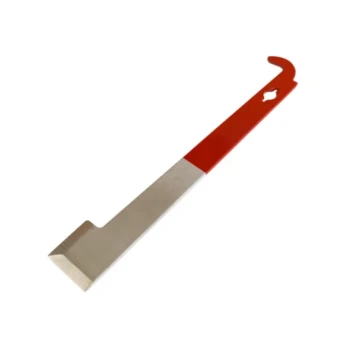
- Stainless Steel J Hook Hive Tool for Beekeeping
- Stainless Steel Queen Grafting Tool for Beekeeping and Bee Queen Grafting
- HONESTBEE Professional Mini J-Hook Hive Tool for Beekeeping
- Stainless Steel Honey Bee Smoker Hive and Honeycomb Smoker for Beekeeping
People Also Ask
- What is the recommended method for storing beekeeping tools? Expert Vertical Storage Solutions for Your Apiary
- Why is the treatment of beekeeping tools with high-concentration chemical disinfectants necessary for preventing AFB?
- How does a favorable microclimate interact with beekeeping tools? Boost Overwintering Success and Equipment Longevity
- How does the stable local supply of beekeeping tools affect technology adoption? Building Sustainable Apiaries
- Why are specialized beekeeping tools and consumables essential? Enhance Colony Management and Honey Yield Today