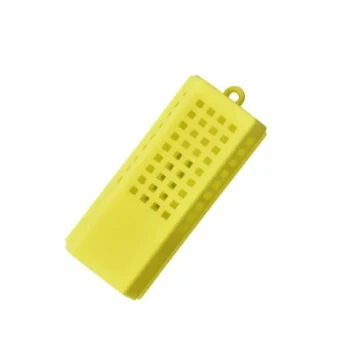
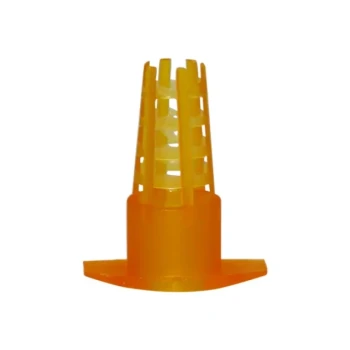
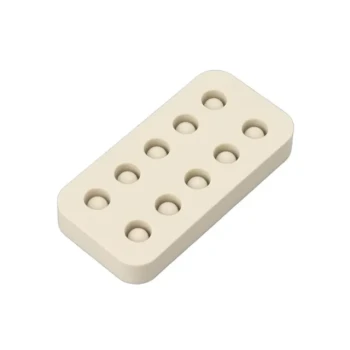
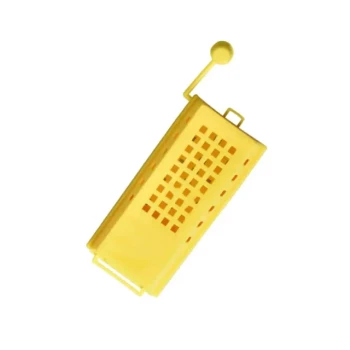
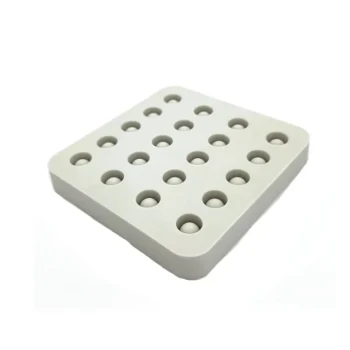
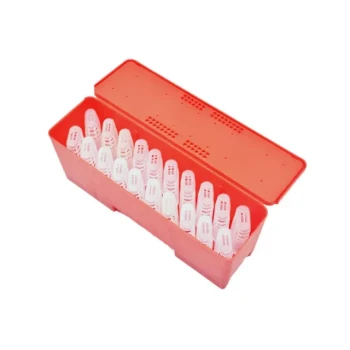
Individual plastic vials serve as a critical protective barrier used to isolate capped queen cells just before the virgin queens are due to emerge. Their primary function is to prevent the first queen that hatches from instinctively destroying the remaining unhatched queens, thereby securing the survival of the entire batch.
Core Takeaway: Queen rearing relies on strict isolation to bypass the natural "survival of the fittest" behavior of bees. Plastic vials ensure 100% survival of viable queens by preventing fratricide while simultaneously creating a manageable vessel for inspection, marking, and safe transport.
The Biological Imperative: Preventing Loss
The most urgent reason for using individual vials is biological. In a natural colony, the first virgin queen to emerge will seek out and kill all other potential rivals while they are still trapped in their cells.
Neutralizing Aggressive Instincts
Upon emergence, a virgin queen is instinctively programmed to eliminate competition.
Without a physical barrier, the first hatched queen would sting the other occupants of the capped cells to death. The plastic vial acts as a containment shield, rendering this aggressive behavior impossible.
Maximizing Batch Yield
In a production setting, losing an entire batch of queens to a single early emerger is a significant financial and time loss.
By isolating every cell, you ensure that emergence timing does not determine survival. Whether a queen hatches hours or days before her sisters, she remains contained, protecting the yield of the production cycle.
Streamlining Management and Logistics
Beyond protection, plastic vials transform the queen from a delicate biological entity into a manageable unit. This facilitates the complex logistics of queen rearing.
Safe Classification and Inspection
Technicians must verify the quality of each new queen.
Vials allow for the safe observation of emergence rates and physical health (morphometrics) without direct handling. You can easily identify which cells failed to hatch or which queens appear lethargic without disturbing the group.
Efficient Marking and Handling
Handling a loose virgin queen is risky; they are flighty and fragile.
The vial serves as a holding container that facilitates controlled marking. It allows the beekeeper to secure the queen for identification (painting the thorax) before she is introduced to a colony.
Transportation Readiness
Queens often need to be moved from the incubator to mating yards.
The vial functions as a secure transport vessel. It prevents injury during movement and simplifies the distribution of queens to their final destination, such as mating boxes.
Understanding the Limitations
While plastic vials are essential for emergence, they are temporary tools, not permanent housing.
Temporary Isolation Only
Vials are strictly for the emergence phase.
They do not provide the micro-environment required for long-term survival. They lack the thermal regulation and humidity control provided by a colony or a specialized mating box.
The "Next Step" Necessity
A queen cannot remain in a vial indefinitely; she requires a colony context to sexually mature.
Once emerged and inspected, the queen must be transferred to a mating box. As noted in technical documentation, these boxes provide the stable environment and nutrition necessary for the queen to perform mating flights and initiate egg-laying.
Making the Right Choice for Your Goal
To maximize the success of your queen rearing operation, apply these isolation principles based on your specific objectives:
- If your primary focus is maximizing survival rates: Ensure every capped cell is placed in a vial before the earliest projected emergence date to prevent fratricide.
- If your primary focus is quality control: Use the isolation phase to record emergence data and morphometric parameters before moving queens to mating boxes.
- If your primary focus is logistics: Utilize the vials to batch-process marking and transport, minimizing direct contact with the fragile virgin queens.
Isolation is the bridge between a vulnerable cell and a productive colony.
Summary Table:
| Feature | Purpose & Benefit |
|---|---|
| Physical Isolation | Prevents the first emerged queen from stinging and killing unhatched rivals. |
| Yield Protection | Ensures 100% survival of viable queens regardless of emergence timing. |
| Quality Control | Allows for safe inspection of health and morphometrics without handling. |
| Logistics Support | Simplifies marking, batch processing, and transport to mating yards. |
| Containment | Acts as a secure vessel for flighty and fragile virgin queens. |
Maximize Your Apiary’s Productivity with HONESTBEE
At HONESTBEE, we understand that every queen cell represents the future of your colony. As a dedicated partner to commercial apiaries and distributors, we provide the high-quality queen rearing tools, specialized vials, and protective equipment necessary to prevent loss and ensure a 100% survival rate.
Beyond basic consumables, our comprehensive wholesale portfolio includes everything from hive-making machinery to honey-filling systems, empowering you to scale your operations efficiently. Whether you are managing a large-scale breeding program or distributing essential beekeeping hardware, we deliver the precision and reliability you need.
Ready to upgrade your queen rearing yield?
Contact our expert team today to explore our wholesale solutions and see how HONESTBEE can streamline your production from cell to hive.
References
- Ibrahim M. El–Metwally, R. Tagour. SOME FACTORS AFFECTING SUCCESSFUL APIS MELLIFERA QUEEN REARING IN SOHAG. DOI: 10.21608/ajs.2010.15003
This article is also based on technical information from HonestBee Knowledge Base .
Related Products
- JZBZ Type Wide Base Plastic Queen Cell Cups for Base Mounting and Queen Rearing
- Clear Black Plain Polystyrene Queen Bee Grafting Cell Cups No Lug for Bee Queen Cup
- Plastic Queen Marking Tube Cage with Plunger for Beekeeping
- Professional Multi-Compartment Queen Cage with Sliding Lid
- JZBZ Style Shipping Cell Protector for Queen Rearing Kit
People Also Ask
- What is the primary function of commercial plastic queen cell cups? Driving Efficiency in Mass Queen Rearing
- What are the primary advantages of using plastic queen cell cups? The Industrial Choice for High-Efficiency Apiaries
- What technical advantages do commercial plastic queen cell cups offer? Scale Your Queen Rearing for Maximum Efficiency
- What is the function of standardized plastic Queen Cell Cups? Boost Efficiency in Commercial Larval Grafting
- Why are standardized plastic queen cell cups preferred? Boost Commercial Queen Rearing Efficiency