The primary purpose of utilizing industrial freezing equipment in bee pollen production is to act as a non-chemical sterilization and preservation agent. By subjecting the pollen to extremely low temperatures (typically between -12°C and -20°C) for a duration of approximately 48 hours, producers physically eliminate insects, larvae, and eggs while locking in the product's biological stability.
Core Takeaway Industrial freezing is not merely for storage; it is an active processing step that disinfects raw pollen and halts degradation. This "thermal shock" replaces chemical fumigants, ensuring the pollen remains pest-free and nutritionally intact for up to two years.
The Critical Role of Biological Decontamination
The immediate surface need for industrial freezing is to sanitize the raw material without compromising its "natural" status.
Eliminating Pests Physically
Raw bee pollen frequently contains hidden pests, including harmful insects, mites, and their eggs.
Primary among these threats is the Small Hive Beetle. Industrial freezing is a physical thermal process effective at killing all life stages of these beetles—eggs, larvae, pupae, and adults—preventing outbreaks during subsequent storage.
Reducing Chemical Dependency
Conventionally, pest control might require chemical fumigation.
Low-temperature treatment offers a distinct advantage: it eliminates the necessity for chemical agents. This allows producers to maintain a "clean label" product, ensuring the pollen remains free of synthetic residues while still guaranteeing the elimination of biological vectors.
Preserving Nutritional and Chemical Integrity
Beyond pest control, the deeper need for freezing is the stabilization of a highly volatile biological product.
Halting Biological Degradation
Pollen is biologically active and prone to rapid decay.
Immediate freezing halts microbial metabolic activity and blocks degradation pathways. This is essential for preventing the growth of vegetative cells and mites that would otherwise compromise the safety of the raw material.
Protecting Proteins and Lipids
At room temperature, the proteins and lipids found in pollen can oxidize or degrade quickly.
Low-temperature environments (specifically around -20°C) effectively "lock in" these biochemical components. This ensures that the nutritional gradients—essential for high-quality food supplements or laboratory feed formulations—remain accurate and potent.
Extending Shelf Life Significantly
Temperature directly correlates to commercial viability.
While standard refrigeration may preserve pollen for up to one year, industrial freezing extends freshness for one to two years. This longevity is vital for maintaining a consistent supply chain between harvest seasons.
Operational Considerations and Trade-offs
While effective, this process requires strict adherence to specific operational parameters to be successful.
The Necessity of "Immediate" Processing
The benefits of freezing are time-sensitive.
To fully preserve nutritional value and prevent DNA degradation, pollen must be placed in freezing equipment immediately after cleaning and collection. Delays allow microbial activity to begin, which freezing can stop but not reverse.
Duration is Non-Negotiable
Short exposure to cold is insufficient for sterilization.
To ensure the elimination of hardy pests like the Small Hive Beetle, the core temperature must be held at the target low (e.g., -12°C or lower) for a continuous period of at least 24 to 48 hours. Cutting this time short risks the survival of pest eggs, leading to contamination later in the supply chain.
Making the Right Choice for Your Goal
Industrial freezing is a versatile tool, but your specific protocols should align with your end-product goals.
- If your primary focus is Pest Control: Ensure your equipment can sustain a core temperature of -12°C or lower for a minimum of 24 hours to guarantee the mortality of all Small Hive Beetle life stages.
- If your primary focus is Nutritional Quality: Target lower temperatures (-18°C to -20°C) and prioritize speed; move pollen to the freezer immediately after harvest to inhibit protein oxidation and lipid degradation.
- If your primary focus is Inventory Management: Utilize freezing to extend your product's viable shelf life from one year (refrigerated) to two years, allowing for better buffer stock management.
By rigorously applying these low-temperature treatments, you transform a fragile, perishable raw material into a stable, high-value commercial product.
Summary Table:
| Feature | Purpose | Impact on Pollen Quality |
|---|---|---|
| Temperature Range | -12°C to -20°C | Halts microbial activity and oxidation |
| Processing Duration | 24 - 48 Hours | Ensures 100% mortality of pests and eggs |
| Chemical Use | Zero (Physical Treatment) | Maintains 'clean label' and residue-free status |
| Shelf Life Extension | Up to 2 Years | Doubles viability compared to refrigeration |
| Biological Stability | Immediate Post-Harvest | Prevents DNA and protein degradation |
Elevate Your Bee Pollen Production with HONESTBEE
Transform your raw harvest into a premium, stable, and pest-free commercial product with the right industrial tools. HONESTBEE specializes in supporting commercial apiaries and distributors by providing the industry's most reliable beekeeping machinery and equipment.
From advanced honey-filling and processing machines to a full spectrum of beekeeping tools and consumables, we empower you to maximize efficiency and nutritional integrity. Whether you are scaling your wholesale operations or looking for specialized hardware to enhance product quality, our expert team is here to help.
Ready to optimize your apiary’s output?
Contact HONESTBEE Today to explore our comprehensive wholesale solutions and find the perfect equipment for your business needs.
References
- П. Парванов, D. Dinkov. Proposals for desiccated bee pollen production and labeling.. DOI: 10.35841/nutrition-human-health.1.2.13-16
This article is also based on technical information from HonestBee Knowledge Base .
Related Products
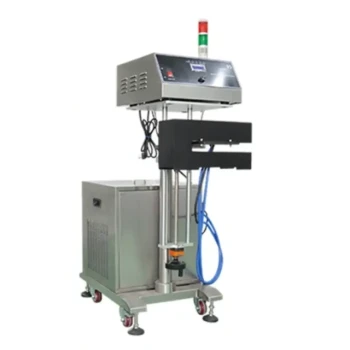
- Professional Water Cooled Induction Sealing Machine for Bottles and Containers
- Professional Plastic Honey Dipper for Easy Honey Drizzling
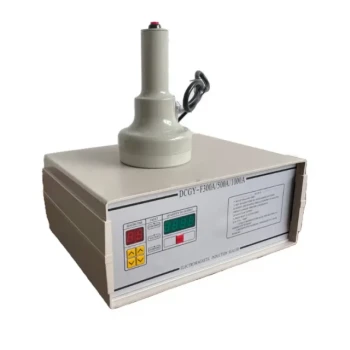
- Handheld Induction Sealing Machine for Tamper Evident Packaging
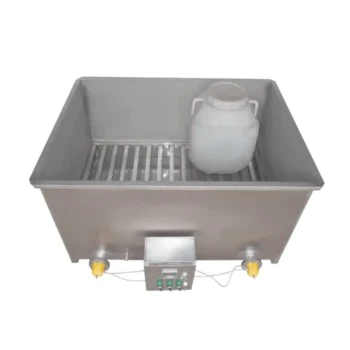
- Heavy Duty Stainless Steel Honey Processing Machine Decrystallizing Tank
- Professional Thermostatic Conical Honey Melter
People Also Ask
- How does tamper-evident sealing equipment benefit the honey trade? Ensure Product Integrity and Market Trust
- What is the function of an induction sealing machine in packaging? Secure Your Brand with Tamper-Evident Seals
- How does an induction sealing machine work? Enhance Honey Packaging with Hermetic Seals & Tamper Evidence
- What is an induction sealing machine and how does it work? Achieve Airtight, Tamper-Evident Seals
- How does the induction sealing process work? Create Tamper-Evident, Airtight Seals for Your Products