Industrial-grade hive-making machines act as the foundational infrastructure for scalable commercial pollination. These systems function by producing highly standardized beehives that align precisely with the biological requirements of honeybees. By ensuring structural integrity and precise dimensions, these machines create an environment that maximizes colony strength, which is the direct driver of higher and more stable pollination frequencies during agricultural operations.
Core Takeaway: Success in commercial pollination is less about the individual hive and more about the systemic efficiency of the apiary. Industrial hive-making machines bridge the gap between biological needs and logistical reality, ensuring colonies are robust enough to pollinate effectively while being uniform enough to be managed at an industrial scale.
The Biological Impact on Pollination
While often viewed as simple carpentry, the precision of a hive directly impacts the biological output of the bee.
Enhancing Colony Strength
The primary reference indicates that machine-produced hives match the biological requirements of honeybees with high precision.
A precise structural fit reduces the energy bees must expend on maintaining the hive (such as sealing gaps or regulating temperature). This conserved energy is redirected toward colony breeding and resource storage, resulting in stronger, more populous colonies capable of intensive pollination work.
Stabilizing Pollination Frequency
Pollination is a numbers game. Industrial-grade machines ensure the structural consistency required to maintain optimal colony health.
Healthier colonies provide higher and more stable pollination coverage. By minimizing environmental stress within the hive, the colony maintains the foraging workforce necessary to cover large agricultural areas effectively.
Improving Overwintering and Disease Resistance
Precision manufacturing eliminates structural flaws that often lead to poor thermal regulation or moisture buildup.
Tight tolerances improve overwintering conditions, ensuring the colony survives the off-season with its population intact. Furthermore, standardized, clean construction facilitates better hygiene, enhancing the colony's overall disease resistance.
Operational Efficiency and Scalability
Commercial pollination often involves managing thousands of hives across different regions. Industrial machines provide the standardization required to make this logistical feat possible.
The Power of Interchangeability
Supplementary data highlights that industrial machines produce components with uniform internal dimensions.
This creates total interchangeability of parts, particularly frames. Beekeepers can move frames between hives without friction, simplifying complex tasks like colony splitting, merging, and pest inspections. This drastically increases the management capacity of the enterprise.
Facilitating Mechanization and Transport
Commercial pollination is migratory; hives must be moved to crops as they bloom.
Standardized hives produced by these machines allow for secure stacking and efficient cross-regional transport. Uniform dimensions are also a prerequisite for using automated honey harvesting systems and mechanized handling equipment, reducing the manual labor required per hive.
Customization for Specific Species
While standardization is key, one size does not necessarily fit all species.
Advanced hive-making machines can customize physical structures to match the specific habits of different bee species, such as the Italian bee or the Oriental honey bee. This ensures that the standardization process respects the unique biological traits of the specific pollinator being deployed.
Operational Considerations and Trade-offs
While industrial machines optimize production, they require a shift in operational mindset.
High-Volume Requirement
These machines are designed for mass production. Implementing this technology is an investment in economies of scale; it is generally not cost-effective for small, localized operations that do not require rapid turnover or massive deployment of hives.
Dependency on Precision
The benefit of interchangeability relies on the machine maintaining perfect calibration. If the machine drifts out of spec, systemic incompatibility can occur across thousands of units. Regular maintenance of the manufacturing equipment is as critical as the maintenance of the hives themselves.
Making the Right Choice for Your Goal
To leverage industrial hive-making technology effectively, align your manufacturing choice with your specific operational focus.
- If your primary focus is Maximizing Pollination Rates: Prioritize machines that offer the highest structural precision and thermal integrity to minimize colony stress and boost foraging numbers.
- If your primary focus is Operational Scalability: Prioritize machines that guarantee strict dimensional standardization to facilitate mechanized handling, automated harvesting, and rapid transport.
Ultimately, industrial hive-making machines transform beekeeping from a craft into a scalable industry, converting biological precision into reliable agricultural output.
Summary Table:
| Feature | Impact on Pollination & Scale | Primary Benefit |
|---|---|---|
| Structural Precision | Matches honeybee biological requirements | Stronger colonies & higher foraging rates |
| Standardization | Enables total interchangeability of frames | Faster hive inspections & colony management |
| Uniform Dimensions | Facilitates secure stacking and transport | Efficient migratory beekeeping logistics |
| Customizable Design | Tailors hive specs to specific bee species | Optimized environment for Italian or Oriental bees |
| Thermal Integrity | Improves overwintering and hygiene | Enhanced disease resistance & colony survival |
Scale Your Pollination Business with HONESTBEE Precision
At HONESTBEE, we empower commercial apiaries and distributors to bridge the gap between biological needs and industrial efficiency. Our comprehensive wholesale portfolio provides everything you need to dominate the market:
- Industrial Machinery: Advanced hive-making and honey-filling machines for high-volume production.
- Precision Tools: Standardized beekeeping hardware and equipment for seamless scalability.
- Industry Consumables: A full spectrum of essential supplies for large-scale operations.
- Cultural Merchandise: Unique honey-themed products to diversify your brand.
Whether you are looking to optimize hive transport or maximize pollination frequency, our expert team is ready to supply the tools for your success.
Contact HONESTBEE Today for a Wholesale Consultation
References
- Peter Hristov, Nadezhda Palova. Significance of Apoidea as Main Pollinators. Ecological and Economic Impact and Implications for Human Nutrition. DOI: 10.3390/d12070280
This article is also based on technical information from HonestBee Knowledge Base .
Related Products
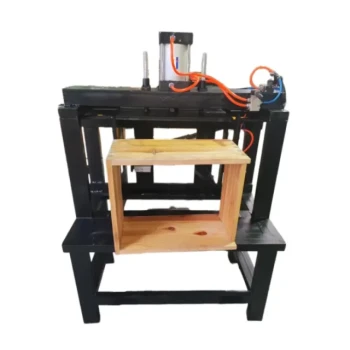
- High-Efficiency Pneumatic Bee Hive Making Machine for Rapid Box Assembly
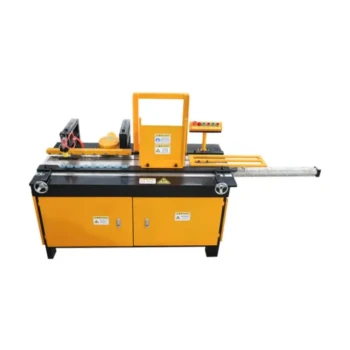
- Beehive Handle and Frame Rest Cutting Machine: Your Specialized Hive Machine
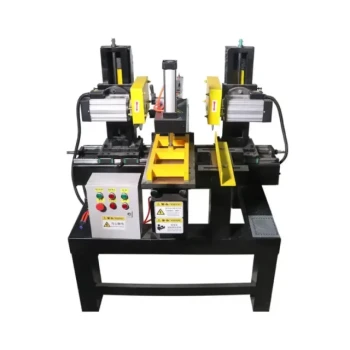
- Beehive Machine Double End Saw for Precision Hive Component Manufacturing
- Mini Desktop Bee Hive Frame Forming Making Machine
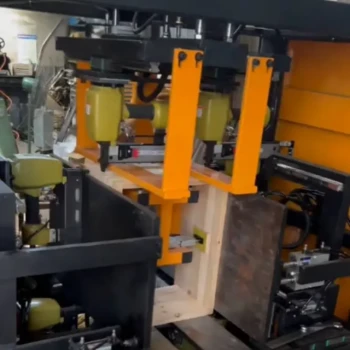
- Automatic High-Speed Bee Hive Box Stapling Machine
People Also Ask
- How does the introduction of professional beehive-making machinery benefit sustainable beekeeping? Scale Your Apiary
- Why is specialized beehive-making machinery critical for low-defense breeding? Enhance Selection with Precision Tools
- How does the introduction of specialized beehive making machinery contribute to increasing the scale of regional beekeeping industries?
- What is the importance of specialized beehive making machinery in a circular bio-economy? Build Local Sustainability
- Why is specialized beehive-making machinery essential? Scale Your Apiary with Precision Industrial Standards