Temperature-controlled overwintering rooms are critical infrastructure for the bee colony expansion industry in cold regions, primarily functioning to maintain a stable, low-temperature environment (typically 4°C) with regulated humidity. By shielding colonies from harsh outdoor fluctuations, these facilities significantly lower the bees' metabolic rate and food consumption, resulting in drastically reduced mortality rates compared to traditional outdoor overwintering.
In cold climates, the margin between colony loss and operational viability often hinges on energy conservation. Temperature-controlled rooms transform winter from a fight for survival into a period of regulated stasis, ensuring expanded colonies remain robust enough to meet spring pollination demands.
The Biological Mechanics of Controlled Overwintering
To understand the significance of these rooms, we must look at how they alter the biological state of the bee colony.
Metabolic Regulation
In a natural outdoor setting, bees consume vast amounts of energy to generate heat when temperatures drop. By maintaining a constant 4°C, overwintering rooms allow bees to enter a state of reduced activity.
Reducing Physical Stress
This stable environment lowers the colony's metabolic rate. Consequently, the bees consume significantly less food, preserving their physical longevity and reducing the physiological stress associated with thermoregulation.
Preventing Resource Exhaustion
Because food consumption is minimized, the risk of starvation—a common cause of winter colony collapse—is mitigated. Colonies emerge with better energy reserves.
Strategic Benefits for Colony Expansion
For the expansion industry, survival is not enough; the goal is retaining population density for commercial application.
Meeting Pollination Deadlines
Colonies expanded in the autumn must be viable by early spring. The controlled environment ensures higher survival rates, allowing operations to meet strict pollination service demands immediately upon the season's start.
Securing Autumn Investments
The labor and resources invested in expanding colonies during the autumn are protected. High outdoor mortality rates effectively erase autumn expansion efforts; indoor rooms preserve this investment.
The Role of Climate Control in Colony Formation
While overwintering requires low temperatures, climate-controlled rooms also play a vital role in the initial creation of new colonies, known as the "formation phase."
Establishing Pheromone Links
For newly formed colonies, a higher stable temperature (such as 15°C) is employed for a short duration (typically 24 hours). This creates an interference-free physical environment.
Enhancing Colony Cohesion
This brief period of warmer, stable containment helps establish pheromone links between bees from different mother colonies and their new queen. This step significantly improves the success rate of the expansion process before the cold season begins.
Understanding the Trade-offs
While indoor overwintering offers superior survival rates, it introduces specific operational requirements that must be managed.
Dependency on Environmental Precision
The success of this method relies entirely on the stability of the equipment. A failure in temperature or humidity regulation can rapidly jeopardize all stored colonies, unlike outdoor yards where risk is distributed.
Specialized Management Phases
Operators must distinguish between the needs of overwintering (4°C for stasis) and colony formation (15°C for cohesion). Misapplying these temperature standards—such as keeping bees too warm during winter—would increase metabolism and defeat the purpose of the facility.
Optimizing Your Overwintering Strategy
To maximize the potential of your bee colony operation in cold regions, align your facility usage with your specific biological goals.
- If your primary focus is Long-Term Survival: Maintain the room at a steady 4°C to minimize metabolic activity and preserve food stores throughout the winter months.
- If your primary focus is New Colony Success: Utilize a 15°C setting for the first 24 hours of colony formation to ensure strong pheromone bonding and queen acceptance.
- If your primary focus is Spring Revenue: Prioritize humidity control alongside temperature to ensure bees emerge dry, healthy, and immediately ready for pollination contracts.
By mastering the precise application of temperature control, you convert the liability of a harsh winter into a strategic asset for colony growth.
Summary Table:
| Feature | Phase | Target Temperature | Primary Benefit |
|---|---|---|---|
| Colony Formation | Initial 24 Hours | 15°C (59°F) | Establishes pheromone links & queen acceptance |
| Overwintering Stasis | Winter Duration | 4°C (39°F) | Minimizes metabolism & preserves food stores |
| Humidity Control | Entire Duration | Regulated | Prevents moisture-related diseases & colony stress |
| Pollination Readiness | Early Spring | Seasonal Transition | Ensures high population density for commercial contracts |
Scaling Your Apiary Operations with HONESTBEE
Maximize your colony survival rates and commercial viability with professional-grade beekeeping infrastructure. At HONESTBEE, we specialize in supporting commercial apiaries and distributors by providing a comprehensive wholesale ecosystem.
Whether you need specialized hive-making machinery, precision honey-filling equipment, or a steady supply of essential industry consumables, we offer the tools required to transform harsh winters into strategic growth opportunities.
Partner with HONESTBEE to secure your spring revenue today.
→ Contact Our Equipment Specialists
References
- Ségolène Maucourt, Pierre Giovenazzo. Comparison of three methods to multiply honey bee (Apis mellifera) colonies. DOI: 10.1007/s13592-017-0556-9
This article is also based on technical information from HonestBee Knowledge Base .
Related Products
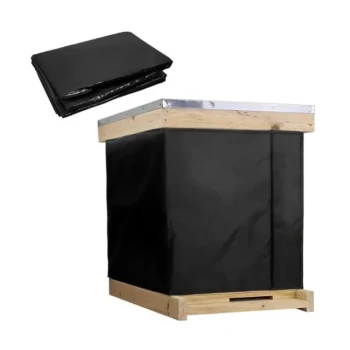
- Professional Insulated Winter Hive Wrap for Beekeeping
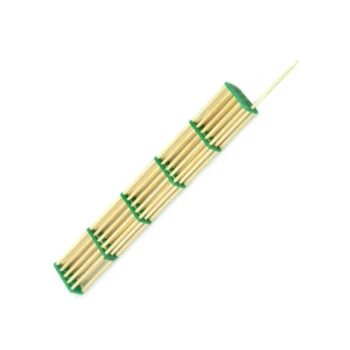
- Professional Bamboo Queen Isolation Cage
- Professional Insulated Plastic Bee Hives
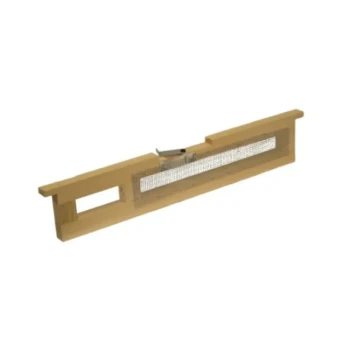
- Professional Wooden Requeening Frame for Beekeeping
- Styrofoam Mini Mating Nuc Box with Frames Feeder Styrofoam Bee Hives 3 Frame Nuc Box
People Also Ask
- What are the steps to properly wrap a beehive for winter? Ensure Your Colony Survives the Cold
- When is the best time to wrap a beehive for winter? A Guide to Perfect Winterization Timing
- How do professional insulation wraps provide protection for bee colonies? Optimize Winter Survival & Energy Efficiency
- What are the technical benefits of using winter wraps for beehive insulation? Boost Colony Survival & Hive Health
- What are the benefits of using insulated covers for hives? Ensure Colony Survival and Health